Devin Cooley's best advice for young players is to stop thinking about yourself during games and let the work you've done in practice take over. He laid it out in a postgame interview after a Calgary Flames win, and almost everything he said applies to a 10-year-old as much as to an NHL goalie.
The interview
The first question set the tone. A reporter asked Cooley, "Did you bring both brains to the press conference here?" The room laughed, but Cooley took it seriously.
He described two ways of playing. His "conscious brain" is the one that thinks, plans and worries. His "unconscious brain" is the one that reacts. "I'm a really bad conscious brain goalie," he admitted, "so I just let my unconscious brain do everything."
Cooley talks about letting go of goals against, staying calm when his team was getting outshot, loving the chaos of the final seconds, and what he learned from an earlier game where he got lit up. He also defended his team's goaltending at a time when, as he put it, "everyone's panicking about the goalies."
None of it was polished. Cooley said himself that right after a game his adrenaline is "like a 10 out of 10," so whatever comes out comes out. That honesty is what makes the interview worth showing to young players. He wasn't reciting hockey clichés. He was describing what actually goes on inside his head.
Lessons for game time
Practice is for thinking. Games are for reacting.
Cooley isn't against thinking. He says the conscious brain "helps a lot when you're working and you're learning." But in a game, "the game is way too fast out there to let your conscious brain decide."
For young players, this is a relief. You don't have to remember every coaching point while the puck is moving. Ask questions, take notes and work on your technique at practice. On game day, trust that the reps are in there.
Stop watching yourself
"Every second that you spend thinking about yourself through your conscious brain, it distracts you from what's happening out in front of you," Cooley said.
Thinking about yourself sounds like: Am I playing badly? Is the coach mad? What do my parents think? Every one of those thoughts pulls your eyes off the play. Cooley's fix is simple: "Don't think about anything." Put your attention on the puck, your check, or the open ice.
The last play is over
Cooley treats good saves and bad goals the same way. He'll make a save and not know how he did it, and then think, "Well, it doesn't matter." He'll give up a goal he can't believe, and tell himself the same thing: "The past is dead. You know, there's nothing for you there."
This matters for skaters too. A missed pass, a bad turnover or a penalty only hurts you once, unless you carry it into your next shift. Many young players have a short reset they use, like tapping the post, taking a deep breath, or skating a lap. The point is to leave the last play behind.
When you're tired, breathe and use your eyes
Late in the second period, Cooley's team was stuck in its own zone on a long shift. Instead of scrambling, he tried "to slow my breathing down. Like just relax. Like just just calm down. It's going to be okay." He let "my eyes do all the work instead of my body and not go chasing it."
His summary is good advice for any position: "play a lot smarter than a lot harder." When you're exhausted, wild lunges and chasing the puck usually make things worse. Slow breathing and good positioning save energy.
Pressure can be the fun part
The final seconds, with the other team's goalie pulled for an extra attacker, are the most stressful moments in hockey. Cooley calls them "my favorite time to play."
"It's just like you feel like you're a little kid again," he said. "I'm diving around starfishing and stuff, you know, just trying to battle my way through." A pro reminding himself that it feels like being a kid is a good reminder for actual kids: the big moments are supposed to be exciting, not scary.
Lessons for the long run
A bad game teaches you the most
Cooley was open about an earlier loss against Colorado. "I'm playing super hard. I'm not playing smart," he said, "and then I give up a goal with no screen from the blue line."
That game cost him playing time. He said the head coach wasn't going to want to play him after that, so he spent the time working with his goalie coach. "You learn so much when you get lit up," he said. "I took a lot of lessons from the Colorado and I used them tonight."
Every young player has a game like that. The useful question afterward isn't "Why am I so bad?" It's "What exactly went wrong, and what can I practice?" Cooley turned one bad night into the plan that worked in his next start.
One game isn't your season
Cooley even admitted, "I might get lit up next game. I don't know." He wasn't worried, because "over the long run and over the average of things, things are going to work out really well."
His confidence came from the work, not the result: "I have so much faith in our goalie department... in our process, in our work ethic, in our talent level." For young players, that's the right thing to build confidence on. Results go up and down. Effort and habits are things you control.
Do the off-ice work
When he talked about surviving that long shift, Cooley credited the summer training he did with his team's strength coaches: "that's why we work so hard... all summer so you can deal with that. So your lungs can handle it."
Youth players don't need a pro training program. But being fit enough to stay calm when you're tired is a real advantage, and it's built away from games.
Credit teammates, and admit when you got lucky
After a big win, Cooley didn't make it about himself. "Guys were unbelievable blocking shots," he said. "It's not easy for anybody." He also said, "I did get a little bit lucky with a lot of the post, but you know, we'll take that."
That's a healthy way to handle success. "Some nights you're going to get lucky, some nights you can get unlucky," he said. "That's just the chaotic nature of the game." Players who understand that don't get too high after wins or too low after losses.
Stick up for your teammates
When asked about outside worries over the team's goaltending, Cooley defended his partner: "Dustin's going to be fine. I'm going to be fine." He didn't compete with his teammate in public. He backed him. On any team, that's what makes the locker room a place people want to be.
Try it this week
For players
- Pick one thing to work on at each practice, and ask your coach about it there, not during games.
- Choose a reset for after a goal against or a mistake: one deep breath, a stick tap, one word like "next."
- On a long shift, slow your breathing on purpose and focus on where the puck is, not on chasing it.
- After a rough game, write down one specific thing that went wrong and one drill that would help.
- After a good game, name a teammate who helped you win.
For parents
- On the ride home, skip the replay of every mistake. Ask what was fun, or what they want to work on next.
- Treat one bad game as one bad game. Cooley's view of "the average of things" is a good one for parents too.
For coaches
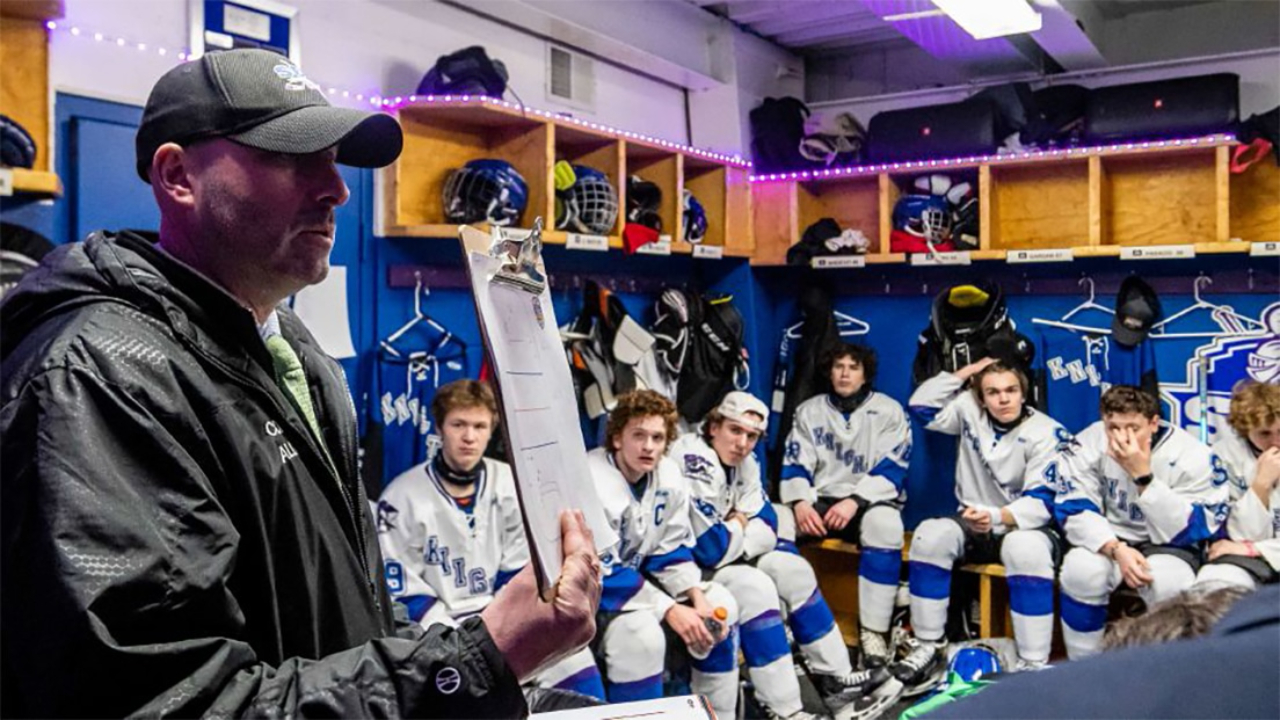
- Show players the interview. Hearing a pro say he's "a really bad conscious brain goalie" makes it easier for kids to admit their own nerves.
- Keep technical teaching in practice, and keep game-day instructions short.
- Praise smart effort, like good positioning and calm breathing, not just effort that looks hard.