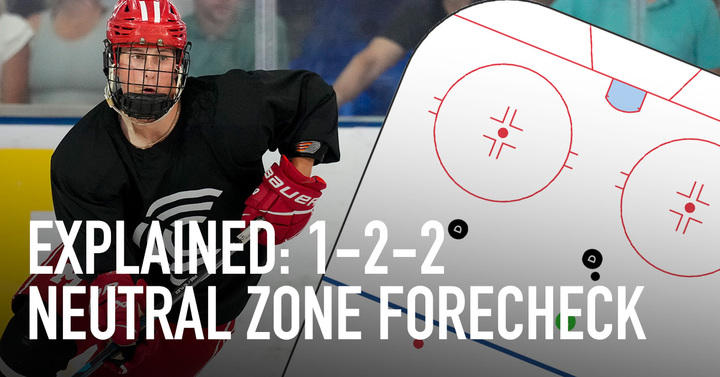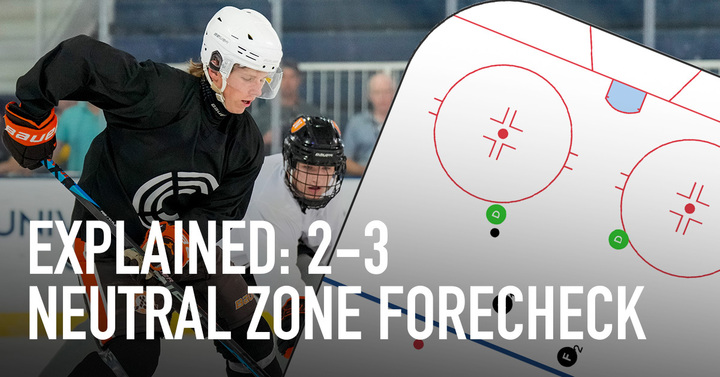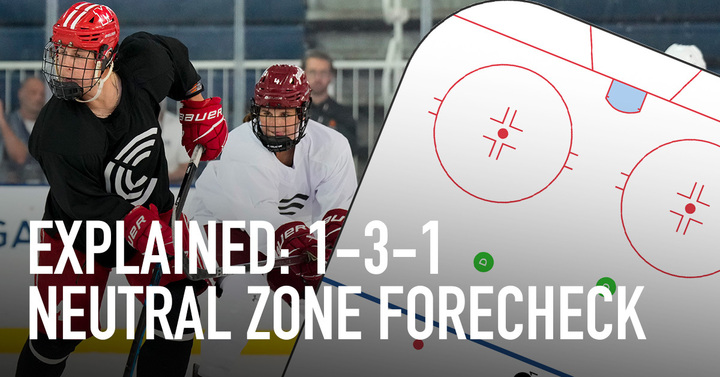
The neutral zone is where systems meet reality. Structure can be perfect and still fail if the middle isn’t owned early.
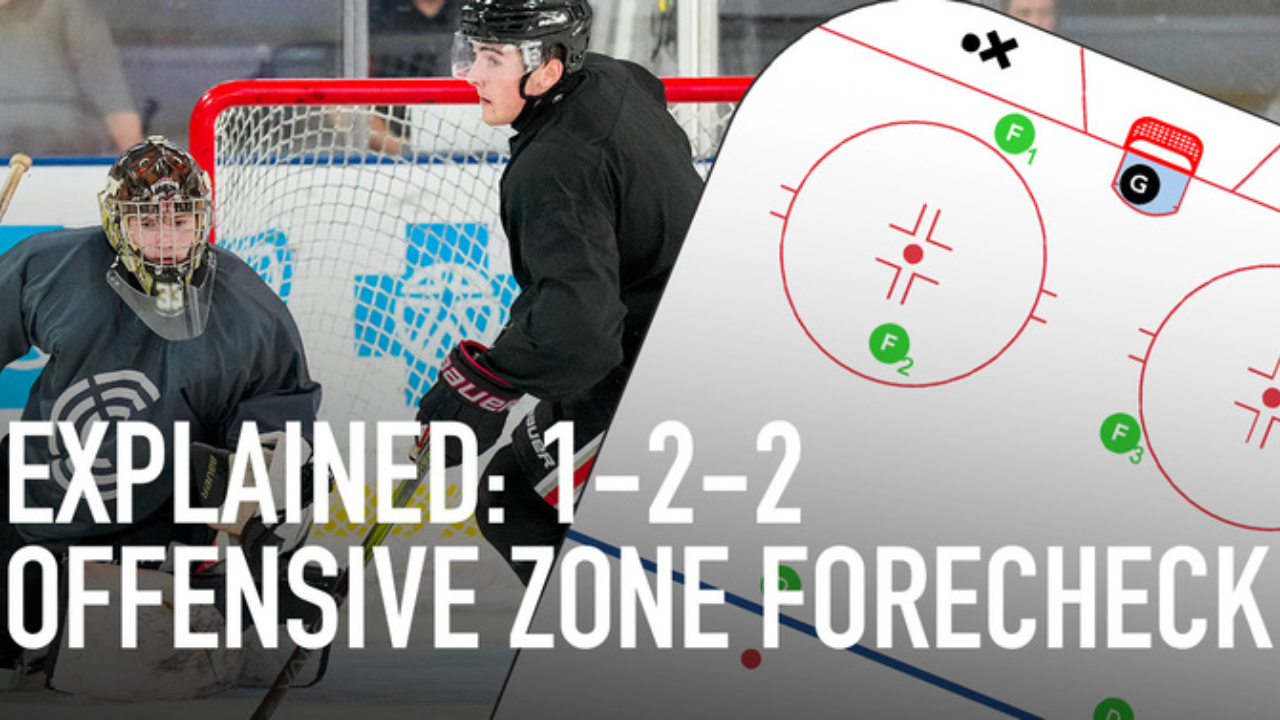
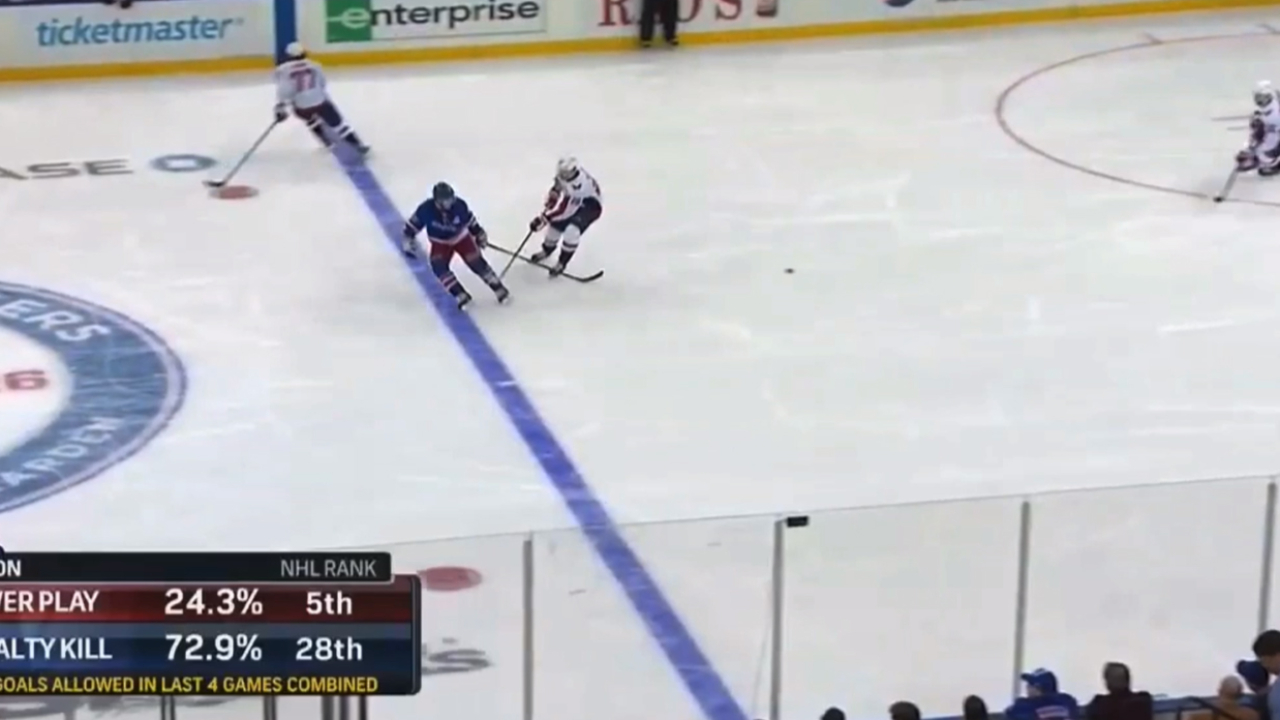
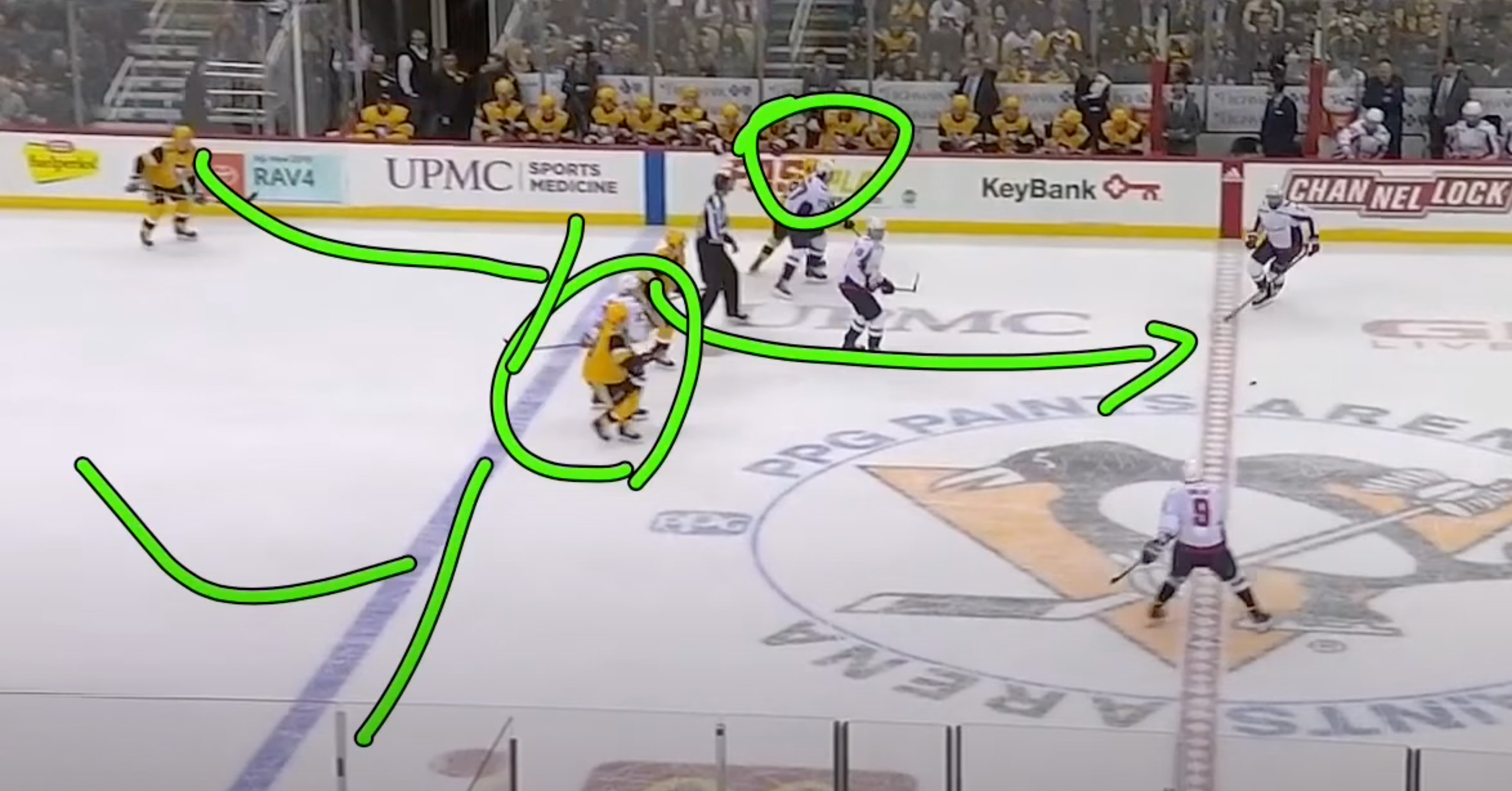
In this clip, Winnipeg is set in a 1-2-2 forecheck. Spacing is clean. Lanes are defined. On the whiteboard, nothing is wrong. But as a Tampa forward attacks through the middle, the picture changes. There’s brief communication between Jets players, yet neither commits to closing the lane. One protects width, the other protects depth, and the most dangerous ice on the rink is left unclaimed.
From deep in his own zone, the Tampa defenseman sees exactly what the structure hides, time in the middle. A stretch pass finds the high forward, one touch splits the seam, and the uncovered attacker is gone on a breakaway. The result looks like a speed problem. It’s really a priority problem.
The 1-2-2 didn’t fail here. The agreement did.
Neutral-zone systems only work when players share the same definition of danger. Communication matters, but words can’t replace commitment. If two players are still deciding who owns the middle as the puck is moving through it, the decision is already late.
Coaches often talk about “protecting the middle” as if it’s positioning. This play shows it’s actually timing. Someone must end the debate the moment the carrier declares his route. Without that trigger, structure becomes decoration and hesitation becomes opportunity.
The lesson isn’t to redraw the forecheck. It’s to teach the moment:
Who takes the lane when the middle is challenged with speed?
What cue makes that decision automatic?
What language turns talk into action?
The neutral zone doesn’t punish effort. It punishes indecision. And the middle you don’t protect will eventually protect someone else.