In football, nobody game-plans the snap - the actual mechanism of center to QB ball movement is not a part of a game plan.
Think about that for a second. The snap is the event that starts every single play. The ball has to travel from the center to the quarterback before anything else can happen. Nobody builds a scouting report around which center is better at putting the ball in the quarterback's hands. The snap is just an assumed mechanism of the play. Sure, there are attempts to time a snap, and botched snaps and broken plays happen. But those moments aren’t necessarily influenced by a game plan or scouting report.
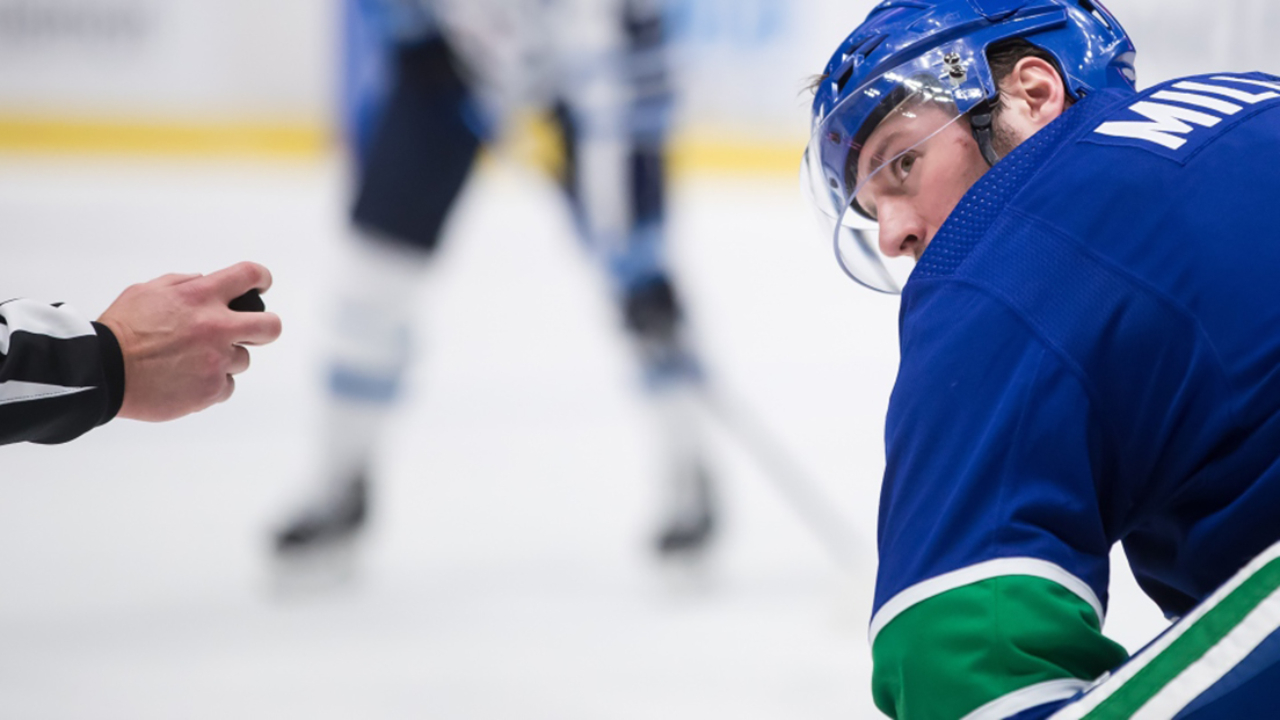
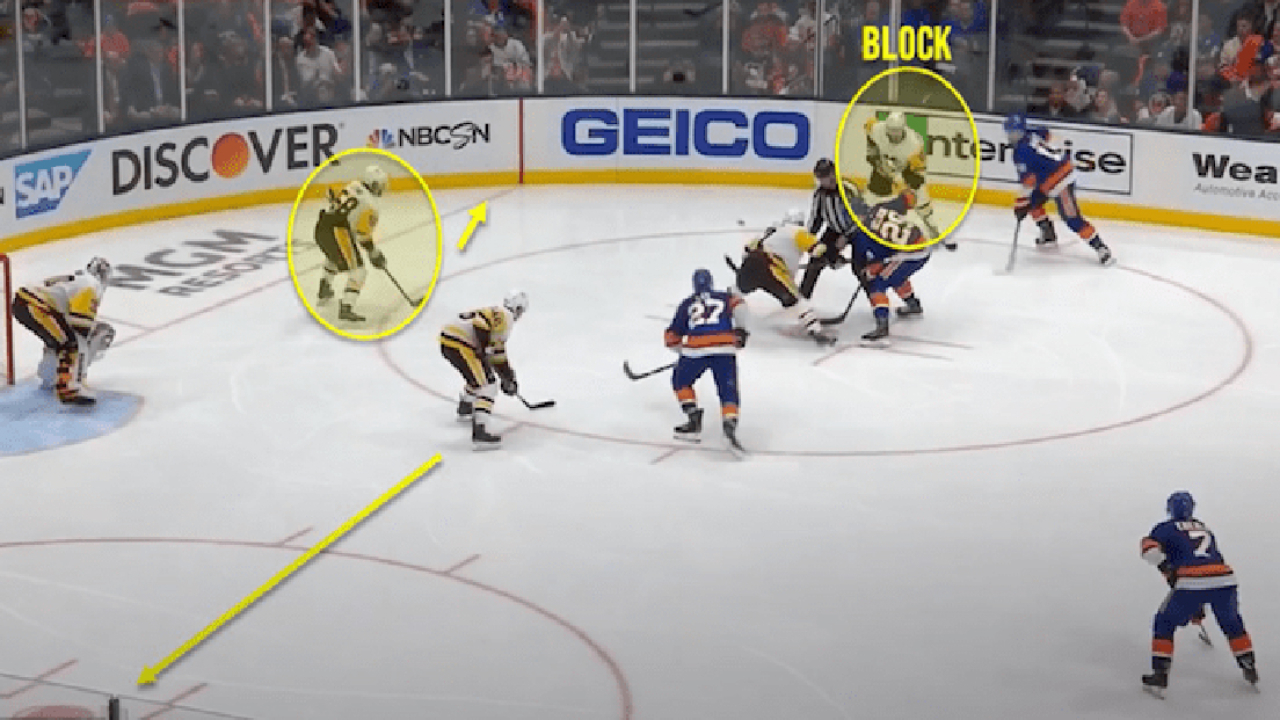
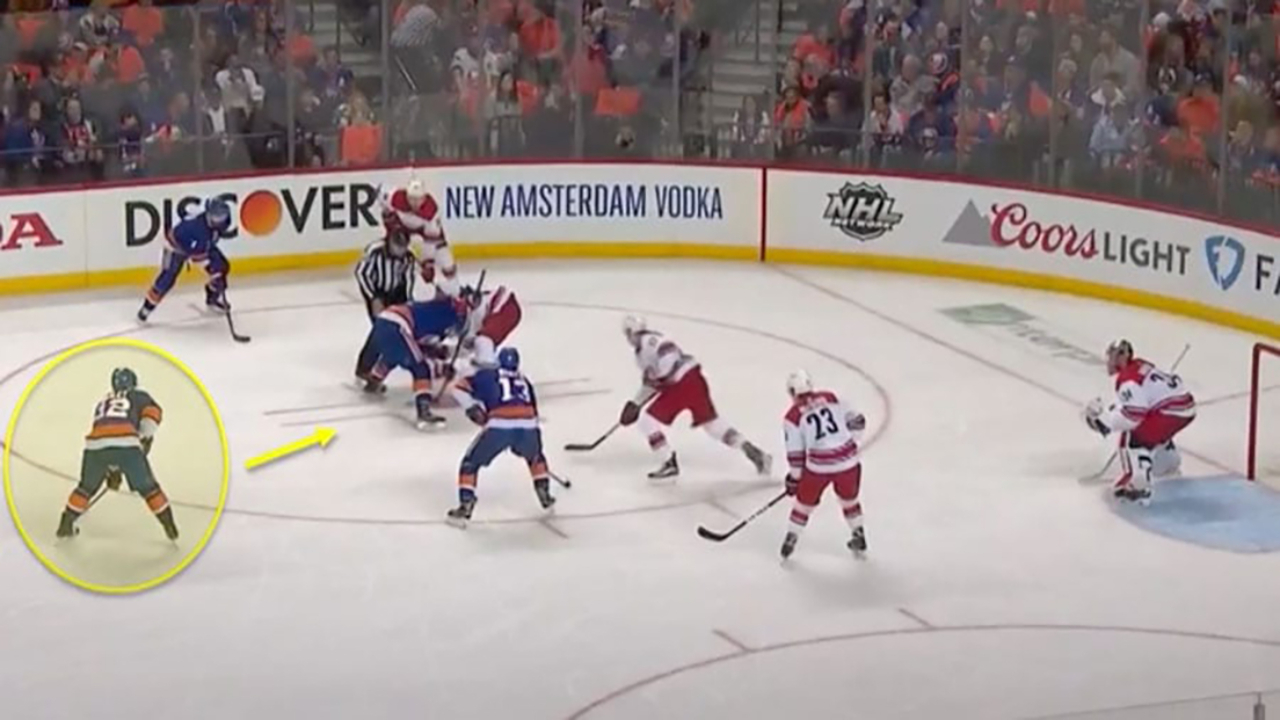
The hockey community at large treats the faceoff like the opposite. The faceoff is our snap — the event that starts the play, the puck traveling from a neutral drop to a player's stick. And we obsess over it. We chart faceoff wins and losses. We chart tie ups. We drill centers on hand placement and leverage. We build set plays that trigger off a clean win. We talk about responsibilities when the draw is lost.
We talk about faceoffs like winning them is the point.
But here's the thing that has been nagging at me for a while. And when I mean awhile, I mean like 10+ years.
A little context - I was a smartass know-it-all blogger in the early 10’s (shoutout Cheer The Anthem) while working for the Danville Dashers and during the Chicago Blackhawks’ Stanley Cup runs. Back then, most everyone was measuring Corsi and Fenwick numbers and really trying to get our heads around data tracking. We were early followers of guys like current 'Canes GM Eric Tulsky, Gabriel Desjardins, Tyler Dellow, Stephen Burtch (who I argued with a million times about various things), Cam Charron, and a bunch of other folks who were doing stuff that was way more interesting than what I was doing.
Ryan Lambert wrote a piece in 2014 about faceoffs and possesion with college hockey stats - it wasn’t definitive by any means and he acknowledged that in the piece itself. But I LOVED Lambert’s work and so I just took that as gospel for a while.
So after reading this and I am sure some twitter conversations about this subject, I was under the impression that the faceoff had a negligible impact on the game and on overall possession. After coaching for awhile I’ve really been intrigued by the moments that possession really starts and whether or not faceoffs do actually matter. And if they do, why? I started trying to understand more than just the win/loss.
The best faceoff men in the history of the NHL won between 58 to 60 percent of their draws over a career. The most talented, most experienced centers in the world, and they're barely better than a coin flip. So if the faceoff is this coin-flip event that we can barely influence, why are we treating that like the play instead of the snap?
That question is what this series is about. And the answer, it turns out, is not where I thought it was.
The initial event is a distraction
Start with the premise that the faceoff itself barely matters. I don't mean it's irrelevant. I mean the return on getting better at the draw itself is marginal, because the draw is close to a coin flip no matter what you do, and because winning the draw is not the same thing as gaining possession.
That last part is the key. In football, winning the snap is meaningless. Of course you "win" the snap, you snapped it to yourself. The snap just starts the clock. Possession is something else entirely.
I started to suspect the faceoff works the same way. That the draw is just the snap and possession is actually decided in the chaos that follows. The scramble. The second touch. The third. The battle along the wall. The read that the winger makes a full second after the puck has already hit the ice.
If that's true, then everything we obsess over is maybe, only marginally important. We're game-planning the snap. We should be spending more time game-planning the play.
So I decided to actually find out. Where, exactly, does possession get decided after a faceoff?
What I tracked
I built a tool and started charting every draw my team took.
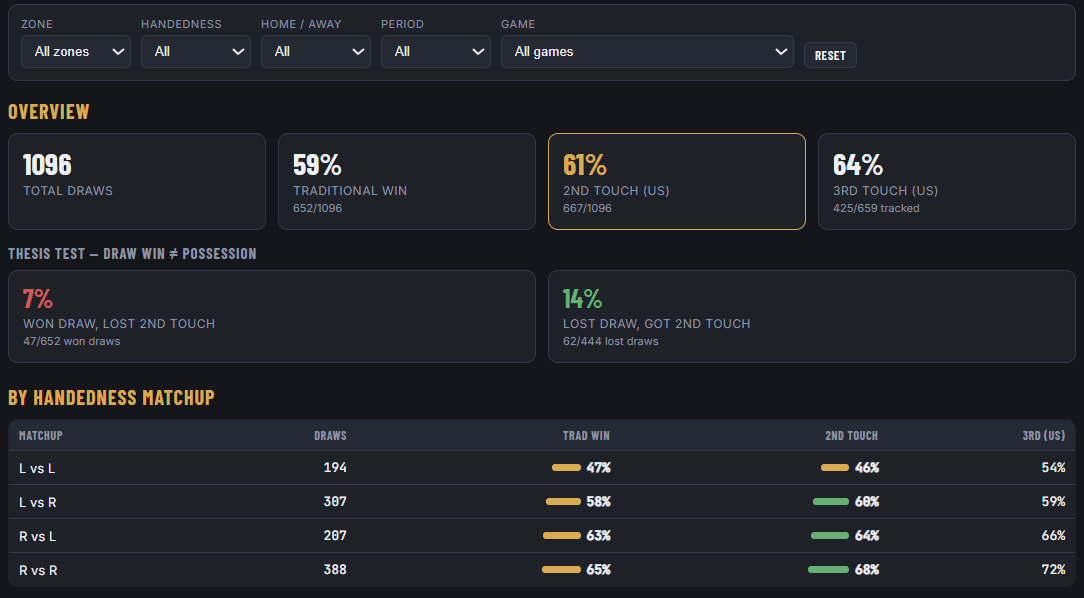
For every faceoff I gathered the "normal stuff" location, both centers' handedness, and which direction the puck actually went off the draw. Then the part that can help me find some answers: who got the second touch, who got the third touch, and whether either of those touches turned into a shot.
I wanted to know which touch was the one that actually mattered. My money was on the second touch. That was the whole theory: win the draw or not, the second touch is where a well-organized team takes over.
Over a thousand draws later, the data told me I was wrong about that.
The second touch is a ghost
Here's what the numbers said. The second touch — the thing I was sure was the answer — agrees with the draw about 90 percent of the time. It was essentially the part of the snap in a football game where Caleb Williams is taking the ball into his hands from Garrett Bradbury (who might win the Bears starting Center job this year?).
Did you know that you can’t steal the snap from an opposing center? I didn’t either. It’s a rule! But it makes one slight wrinkle in this analogy.
Anyway, if you win the draw, you get the second touch. Lose the draw, you don't. They're almost the same event. Tracking the second touch, it turned out, was just tracking the draw again with extra steps. It told me nothing new, it was the draw finishing its motion. If you win a draw back to your wall, the second touch is your winger picking it up. Of course you got it. You won the draw.
So the second touch wasn't the place possession got decided.
But the third touch was a different story entirely…
The third touch is where the game actually turns
The third touch flips away from the second touch about a third of the time.
That's the number that reframed everything for me. One out of every three faceoff sequences, possession changes hands after the second touch. The team that got the puck first doesn't keep it. Somebody wins the draw, gets the second touch and then loses the puck on the very next battle. Or the opposite: a team loses the draw, doesn't get the second touch, and then steals it right back on the third.
When I measured "final" possession by the third touch instead of the draw, my team came out meaningfully ahead of where our faceoff-win percentage said we should be. The gap between "who won the draw" and "who actually had the puck a few seconds later" lived almost entirely at the third touch. The draw and the second touch are the coin flip. The third touch is the tactics.
That's the discovery. Not that faceoffs don't matter — they're the snap, they have to happen. But that the moment worth coaching, the moment where possession is actually won or lost, is two touches later than I was looking.
Where this goes
This is the first piece in a series. It's not a finished system with a bow on it. It's the opening of an investigation.
Here’s where I am right now: I have a theory — the faceoff is the snap, and possession is decided in the play that follows. I have a season of data that points to the third touch as the moment that actually matters. And I have a system I've started building around that idea, designed to win the chaos after the draw rather than the draw itself. Treating every faceoff like a defensive play call against an offense that, crucially, has no linemen to protect the guy receiving the puck.
This past season was measurement — figuring out where the puck actually goes and where possession actually turns. This coming season is where I hope to find out whether deliberately attacking the third touch moves the numbers the way the theory says it should.
I'm going to write all of it down as it happens. The theory, the data, the practice installation, the games, and the parts where the data corrects me again — because it will. If you coach, I hope you'll see something in here you haven't thought about before.
The draw is the snap. Let's go find the play.