Some players believe that skating speed comes down to strength and effort, but in reality, nuances in how they position and move their bodies play an even greater role.
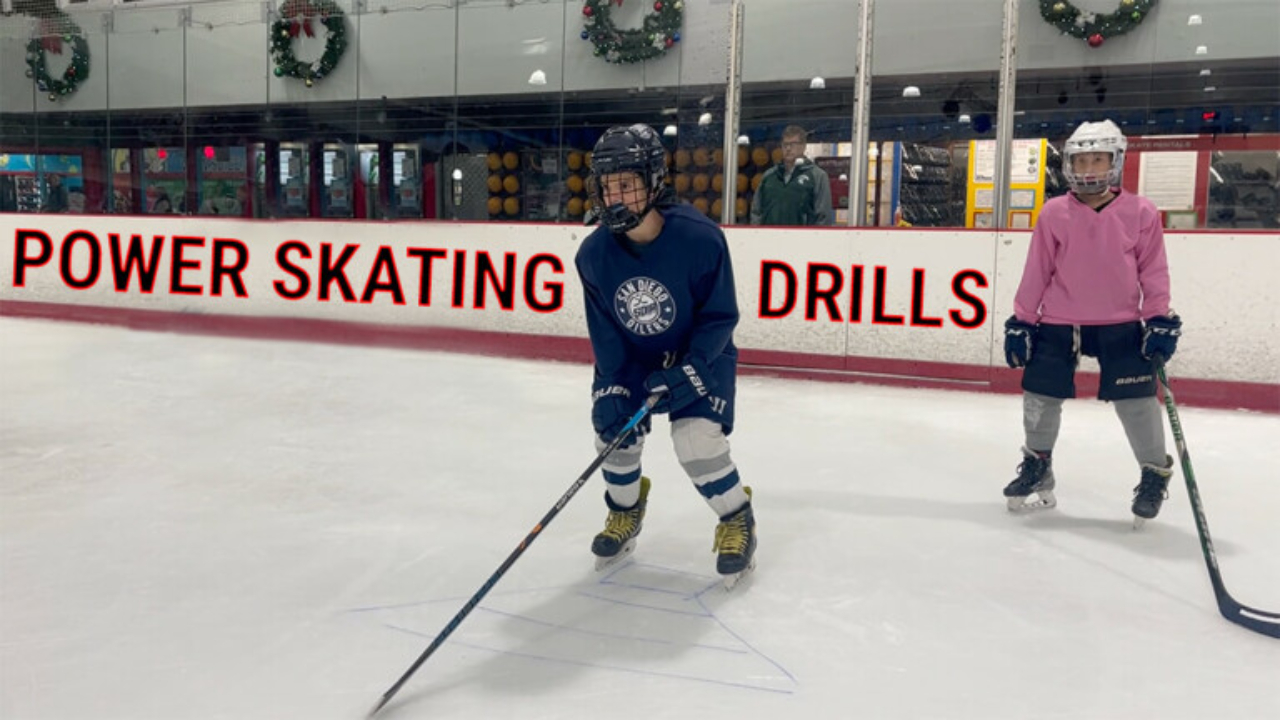
During her brilliant on-ice session at TCS Live 2026, Calgary Flames’ skating coach Danielle Fujita introduced a few concepts that contribute to the mechanics of explosive acceleration. The first was what she calls turnout and tilt, or “TNT” for short. Turnout refers to the toes turning out to create a proper angle to produce force from your skate edges. Tilt is the idea that the body needs to be in an unbalanced position to accelerate. Fujita used the nose as a marker for balance.
“You actually want to be in an unbalanced state. Nose over toes will give you balance. Nose past toes gives you speed."
Next, Fujita focused on force production, using an unconventional message: players should not focus on pushing harder to explode. To demonstrate this concept, she used a water analogy. She told the players to imagine they’re skating on a deep body of water. They should keep their feet light and quick to avoid sinking.
The players tried skating light and quick (to stay on top of the water), then tried again with a long, forceful stride. Sure enough, the latter was noticeably slower. Fujita explained that longer, more forceful strides help us reach top speed, but we need to start light and quick and gradually lengthen our strides.
“Force can accelerate you, but your force can actually decrease explosiveness. Let the joints do what they were designed to do."
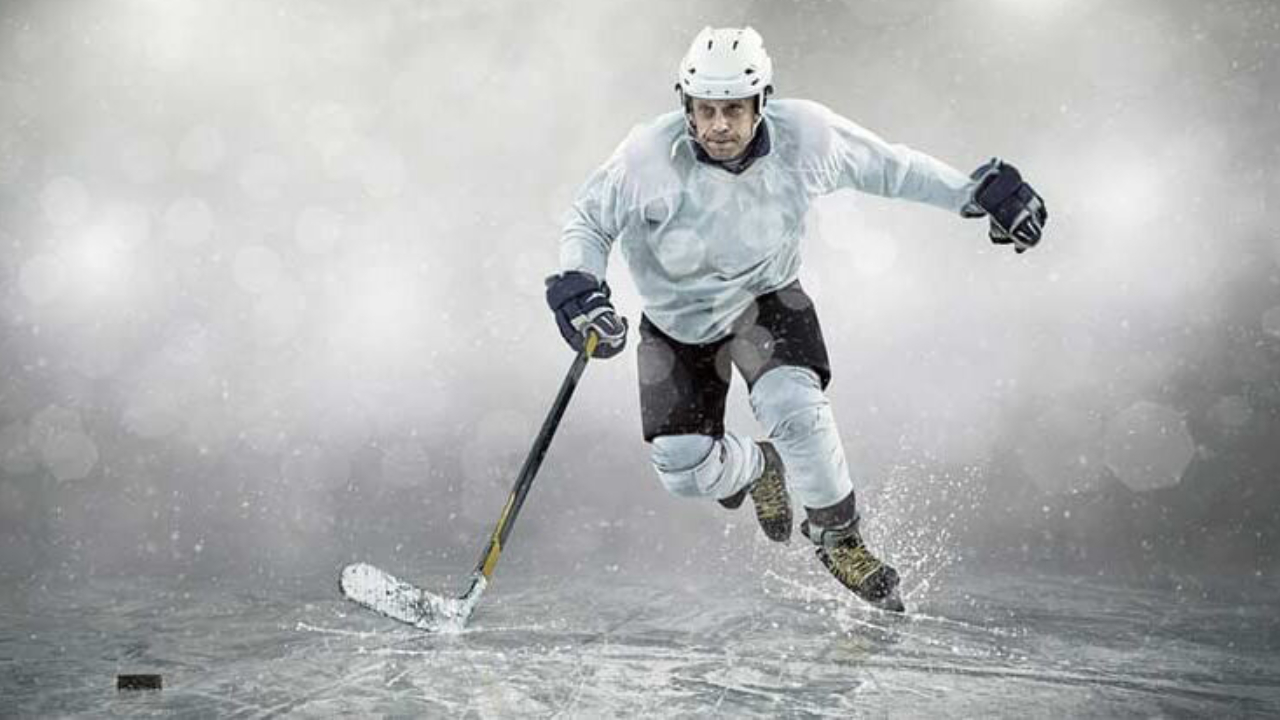
Finally, Fujita discussed posture by challenging another conventional idea. Historically, hockey coaches used to tell their players to stay low, but while a low posture can help players reach top speed in full stride, starting from a low position slows them down.
Fujita used the analogy of a boat’s bow rising during initial acceleration before equalizing. In the same way, she said, skaters should start with a higher posture during the acceleration phase and get low as they reach full stride.
Over the course of this demonstration, players were introduced to several concepts to help them understand the movement patterns that lead to explosive acceleration. Letting the players go through the skating drills, both correctly and incorrectly, helped them understand the differences between these movement patterns. Her use of analogies made it accessible and easy to understand for coaches and players alike.
Noteworthy timestamps:
- 0:00 Turnover rate: the number one key to explosiveness
- 2:15 TNT: turnout and tilt
- 3:40 False tilt vs. real tilt
- 5:50 Force production
- 9:00 Glide time and phases to top-end speed
- 11:35 Postural change: why “low is slow”
- 16:00 Recap of the four key factors
- 17:25 Applying the same concepts to crossovers