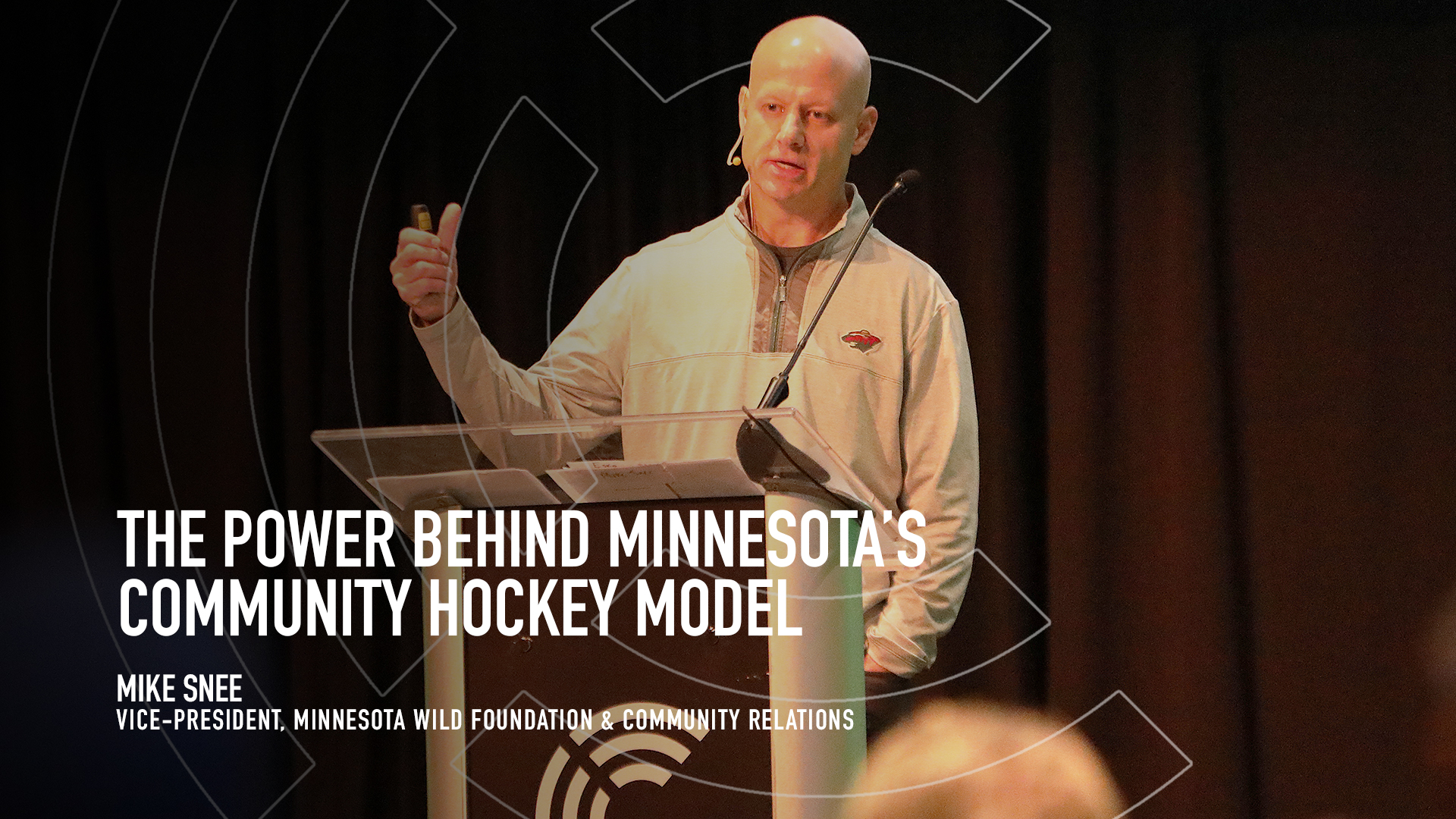
Greg May came to TCS Live Minnesota in 2025 with a coaching résumé that reflects both breadth and depth in the game. A native of Burnsville, Minnesota, May was a standout at Burnsville High School before playing four seasons of collegiate hockey at Augsburg University, where he earned MIAC all-conference honours and graduated with a degree in health and physical education.
You can find all the drills from May's presentation here.
After college, May built a coaching career rooted in player development and leadership. He spent several seasons coaching at the high school level, leading Farmington High School to its first MSHSL Class AA state tournament appearance and guiding the Blake School to back-to-back Independent Metro Athletic Conference championships, while also operating his own skill development business and serving in leadership roles with Minnesota Hockey.
May’s path eventually brought him back to the University of Minnesota, where he served two seasons as Director of Operations for the men’s hockey program, working behind the scenes with video, leadership, and team management. He then spent two seasons as Head Coach of his alma mater at Augsburg University, leading the Auggies to two NCAA Division III tournament appearances and earning MIAC Coach of the Year honors. In 2023, May returned to the Gophers as Associate Head Coach for the women’s hockey team, bringing his experience as a player, teacher, and leader to one of the top programs in the country.
At TCS Live Minnesota, May shared a concept central to Minnesota’s offensive identity: doubling.
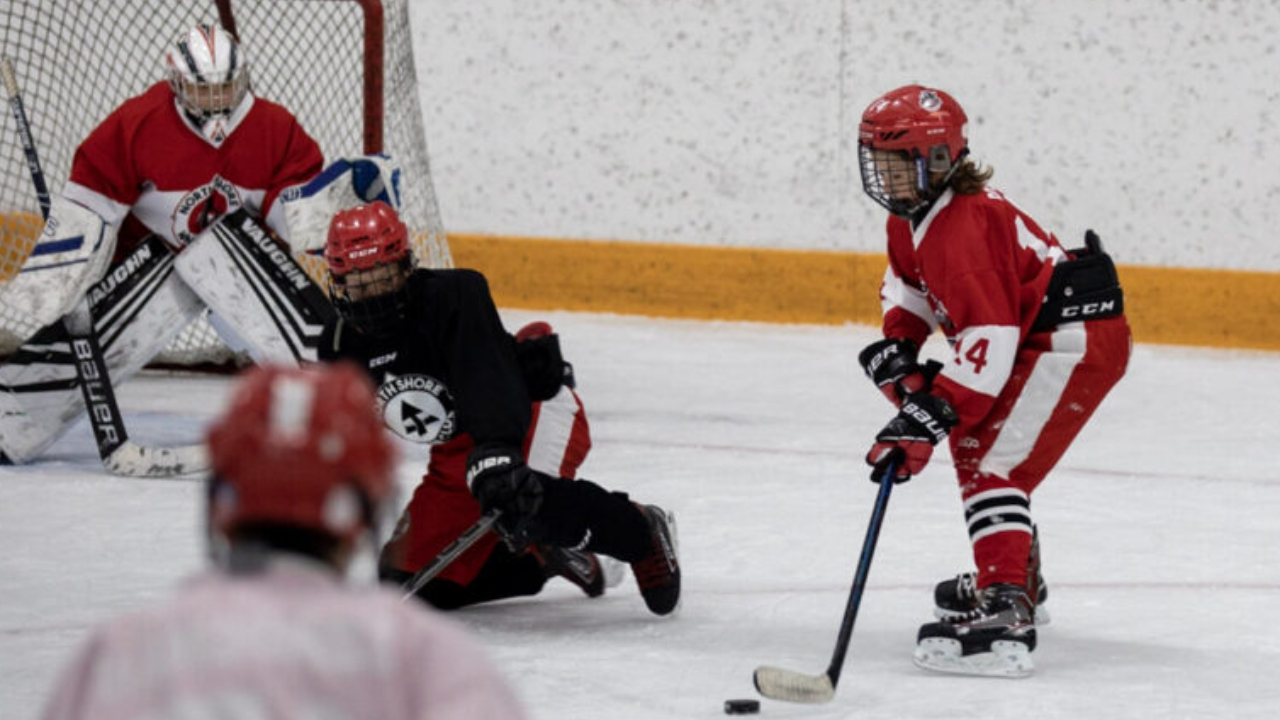
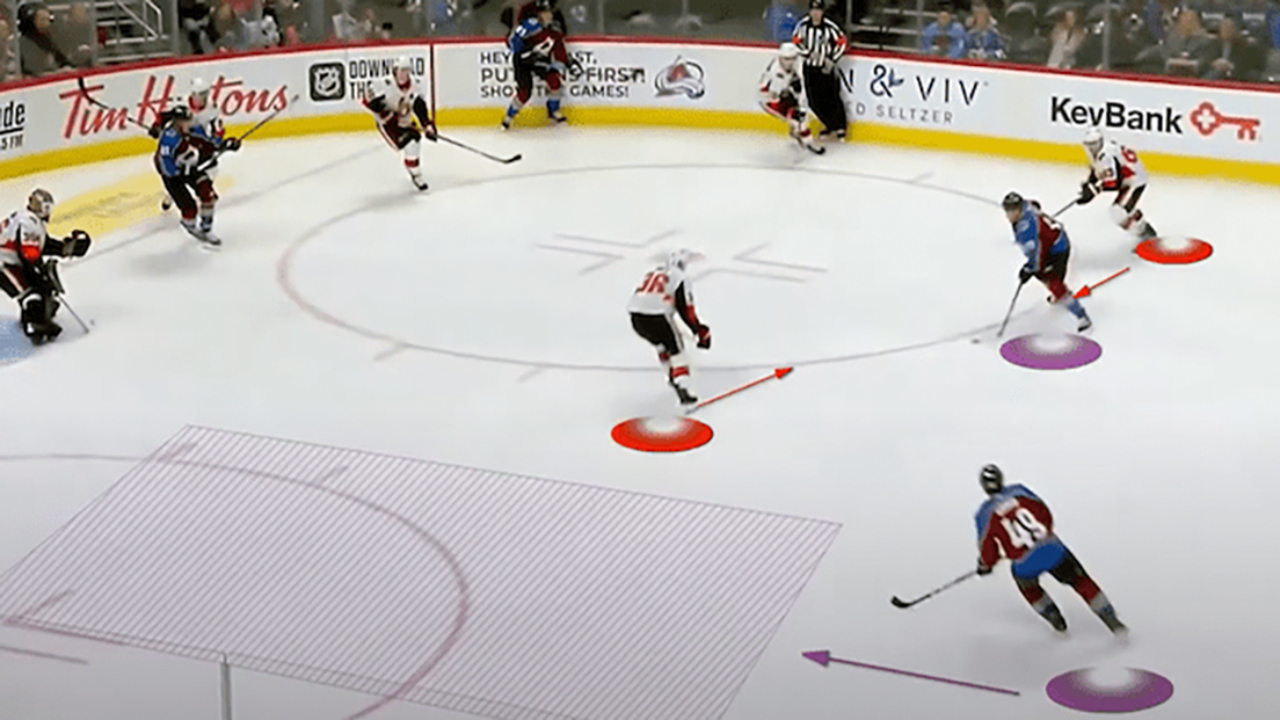
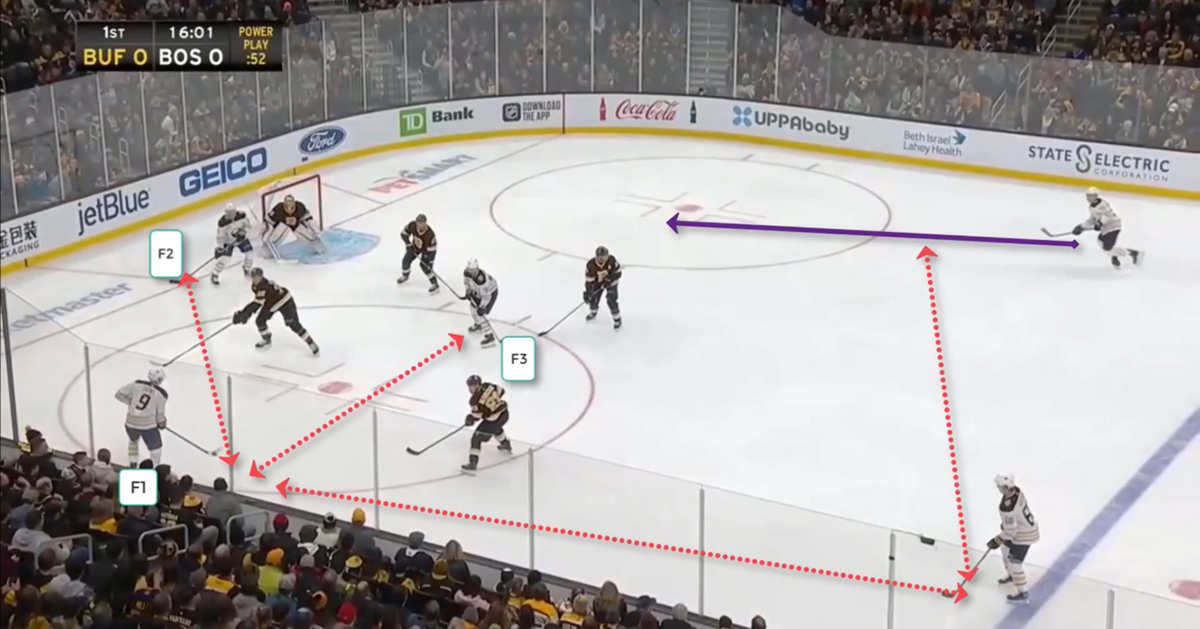
Rather than a rigid set play, doubling is about players coming to the puck to create timing, space, and opportunity, much like a pick and roll in basketball. In his on-ice session, May demonstrated how simple patterns, such as a puck carrier climbing the wall with a teammate arriving in support, can generate a series of decision-making opportunities and force defenders into uncomfortable choices.
The value of doubling lies not in complexity, but in connection. The puck carrier must read defenders and choose whether to keep or leave the puck, while teammates without the puck stay close enough to influence options rather than drifting away in search of open space. When executed with intent, the motion creates the kind of confusion and movement in the offensive zone that is difficult for defences to manage.
For May, the message was clear: success in the offensive zone is less about set choreography and more about players moving with the puck and for each other.
Coaches’ Challenge
In your next practice, focus on support over isolation. Introduce one basic doubling action and watch how players without the puck influence pressure when they arrive with purpose.
Noteworthy timestamps:
- 0:00 Offensive concept of Doubling
- 2:05 Intro to 2 on 1 doubling
- 7:10 3 on 0 Multidirectional Flow Drill
- 12:40 2 on 1 into 3 on 3
- 19:20 4 on 2 Game