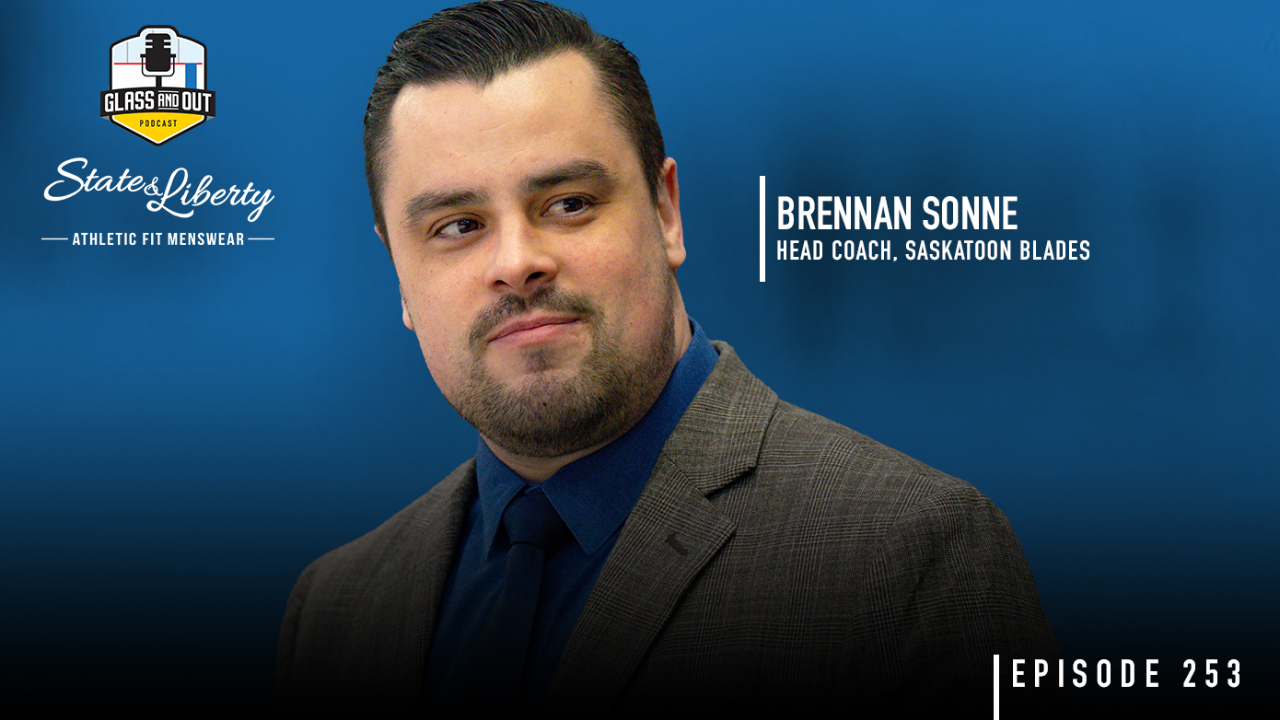
When Brennan Sonne took the stage on the final day of TCS Live, he posed a question to the coaches in the audience. He asked whether they’ve ever started a game and immediately sensed that their team was flat. They’re missing blocks, not finishing their checks, not competing.
It’s a situation Sonne has been in before, but in those experiences, he identified an issue: When he encouraged his players to start competing, they didn’t know what he meant. They thought they were already competing hard.
“If there's a disconnect between your version of compete and that of your players, you got yourself a problem,” he said.
That’s when he set out on a mission to define compete and build a culture around it. To achieve this, he used the “BE, DO, HAVE” model.
He thought about what his team needs to be successful. What characteristics does he believe in? He said he wants his teams to play with passion, compete, play desperate defence, and play with speed.
Next, he thought about what his team needs to do to demonstrate the desired characteristics and have success.
He came up with six actions that demonstrate effective compete, which has since expanded to nine.
“What we were trying to do was quantify compete,” said Sonne.
By counting the number of times players executed one of his compete markers, Sonne now had a quantitative way to measure his team’s competitiveness. When he counted compete actions, he found that the numbers were strongly correlated with wins. Unlike traditional metrics like shots, Sonne’s compete markers didn’t depend on the opponent or game-state. The effect was the same no matter what the other team was doing.
Whenever Sonne’s teams hit 25-30 compete markers, they almost always won. With 16-25 compete markers, they often won — at least enough to be a playoff team. And when they failed to reach 15 compete markers, Sonne said, they weren’t winning, and they weren’t making the playoffs.
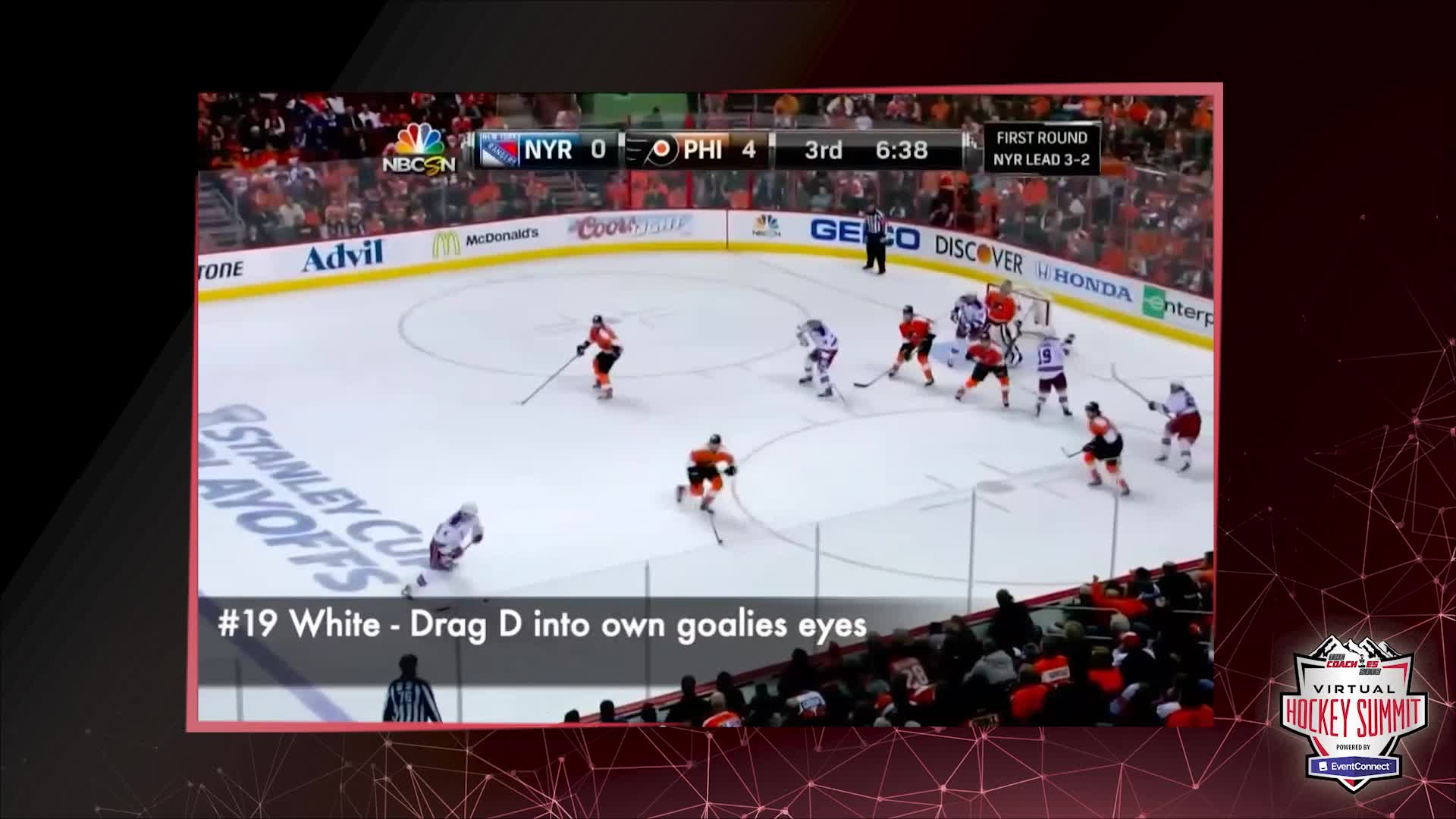
Sonne’s nine compete categories included a variety of actions such as blocks, puck battles won, desperate defence, and physicality/elimination. Every time his players completed one of these actions, he would clip it and show the clips in team meetings.
Over time, the players understood that they were being rewarded on the scoreboard for hitting those compete markers. According to Sonne, they loved this style of coaching, and started aiming for more of these compete clips. It built a culture of competitiveness that the entire team bought into. The best part was that the categories are all based on choices, not talent. Any player could contribute, not just the top players.
“…it's decisions that any player can make, I'm not asking for highlight-reel stuff here,” said Sonne.
As a result, the fourth liners can become just as big a part of the culture as the first liners. And the players no longer have to wonder what compete means or what their coaches want to see.
“They know exactly what they need to do, right? That's a very, very clear identity.”
Having a clear, simple identity based around compete, Sonne said, made difficult matchups seem less daunting for the players. When he coached the Saskatoon Blades, for example, they faced Connor Bedard and the Regina Pats in the playoffs. Instead of feeling the pressure to stop the league's best player, the players focused on “getting clips.”
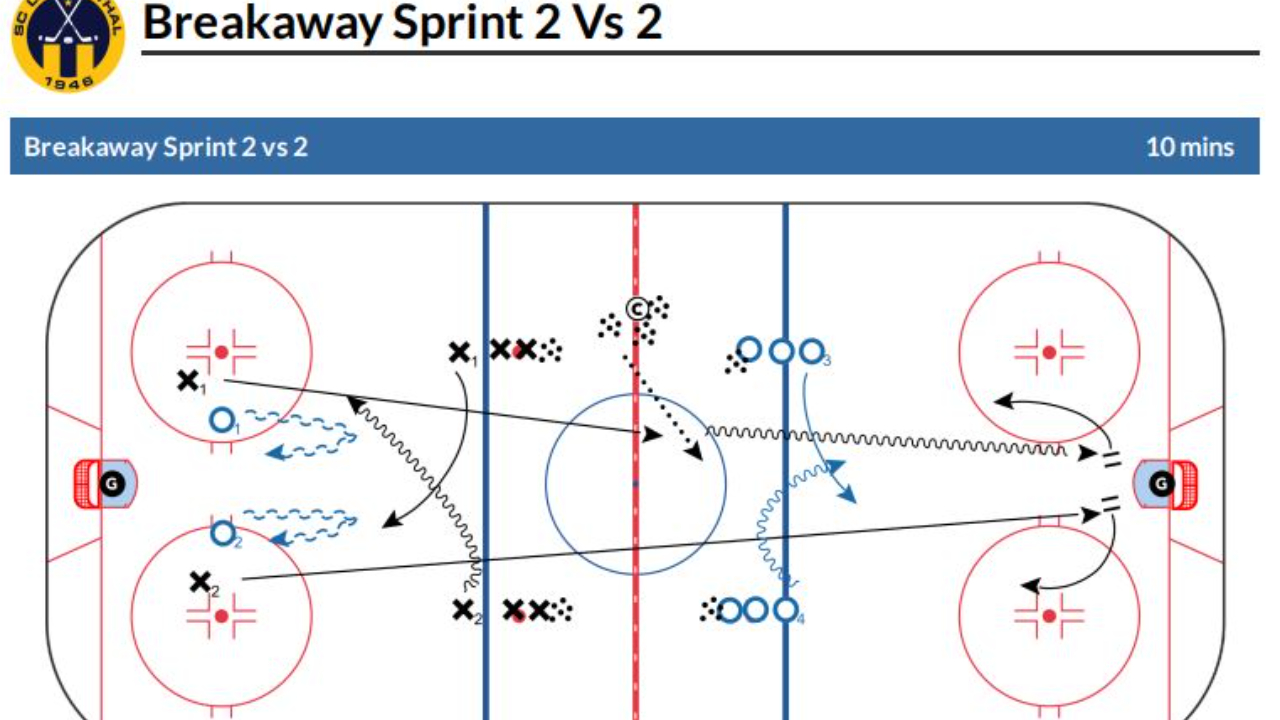
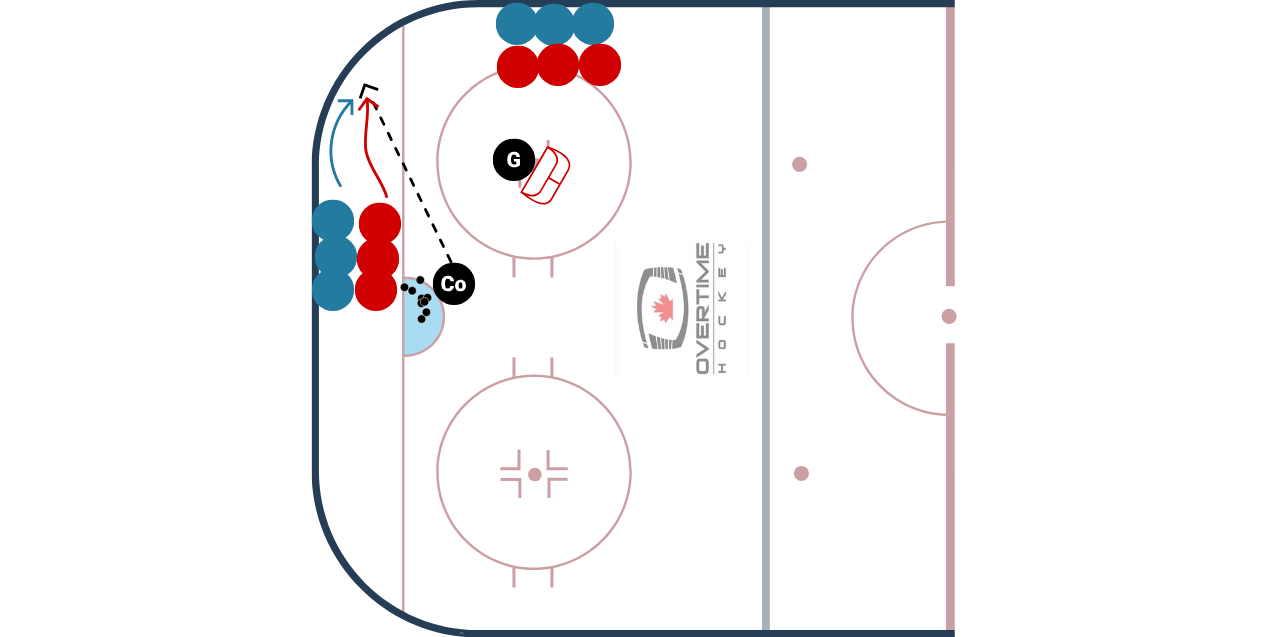
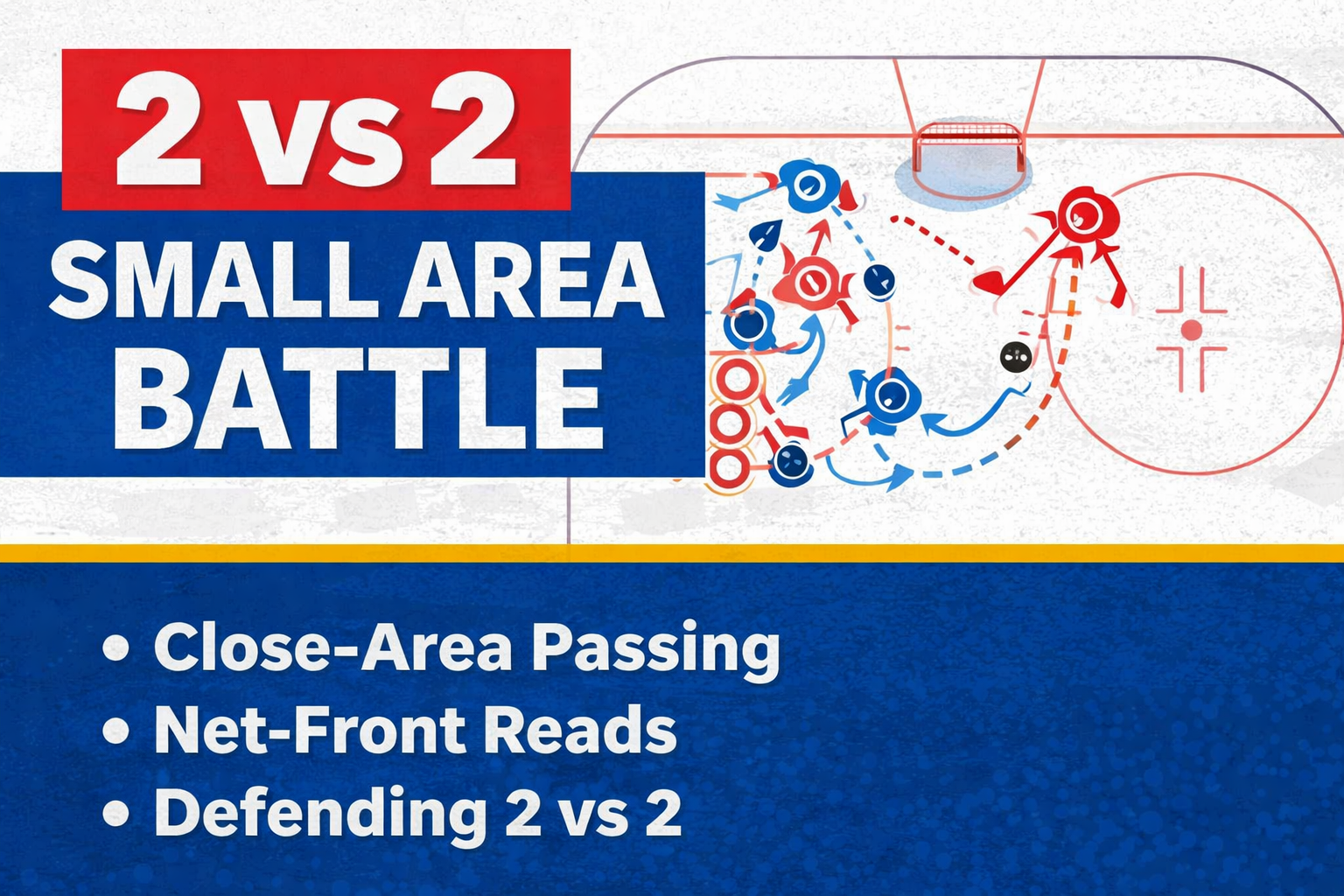
Sonne’s compete markers made for clear, specific messaging, but it wasn’t only a video review exercise. It was easily incorporated into practices. He described how small-area games often contain the exact markers he’s looking for, which he will often call out when he sees one during the drill.
“I think there's compete clips in pretty much every drill,” he said.
Ultimately, Sonne’s approach is about taking one of hockey’s most common coaching demands and making it tangible. It forces coaches to define what they value, and then communicate it to players in a way that’s clear, rewarding, and competitive. It creates an identity where everyone can contribute and feel important. And most of all, it frequently leads to winning hockey.