
Day 3 of TCS Live brought the conference back to one of its biggest themes: intentional coaching. Presenters challenged coaches to define what they want from their teams, design practices around real problems, use evidence to inform decisions, and create environments where players can develop with purpose. From competitive identity and goaltending technique to skill acquisition and international scouting, the final day was about turning coaching ideas into clear, actionable processes.
Shaun Earl | The Coaching Blueprint: Why Great Practices Start With the Right Problem
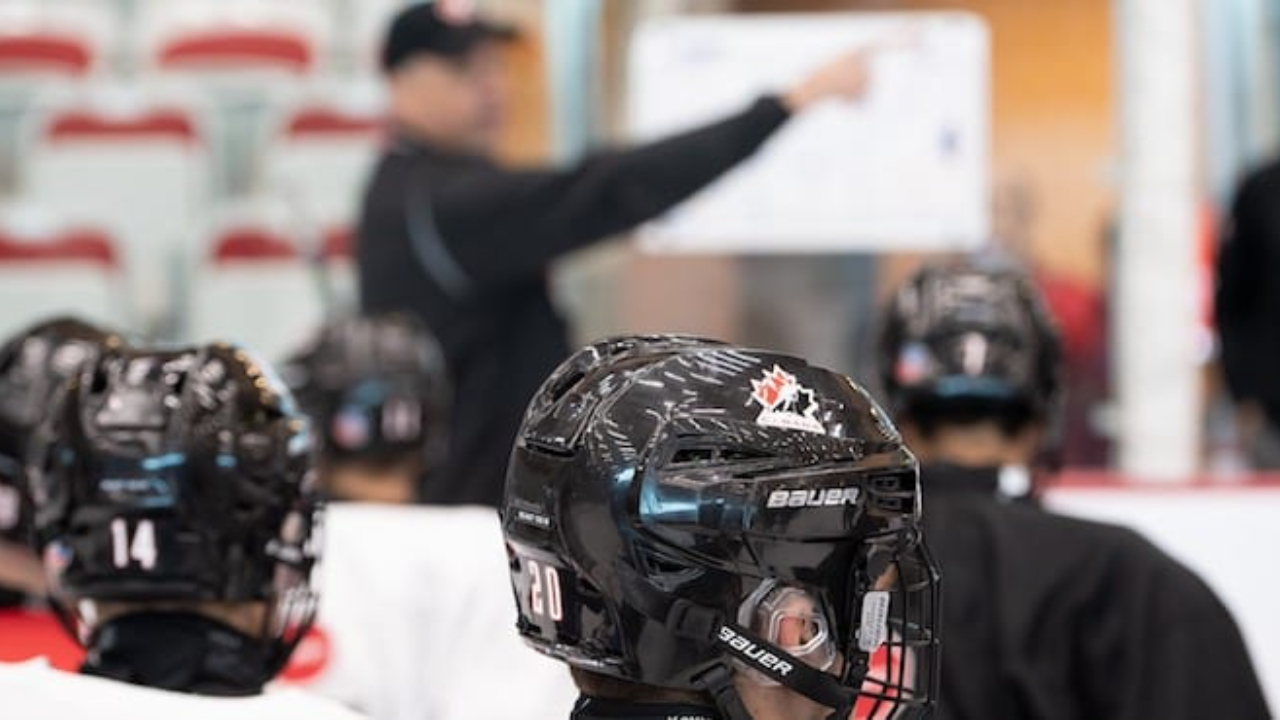
Shaun Earl challenged coaches to stop asking, “What drill should we run?” and instead ask, “What problem are we trying to solve?” Drawing from his experience with the Brandon U15 AAA Wheat Kings, Earl showed how practices can be designed around the actual challenges a team faces. With fatigue, travel and injuries affecting his team, Earl built those circumstances directly into practice, including conditioning before situational drills. The result was better transfer from practice to games and, ultimately, a division championship. His message was that effective practice design starts with understanding the problem, not selecting a drill.
Brennan Sonne | Defining Compete: The Scorecard Behind a Competitive Culture
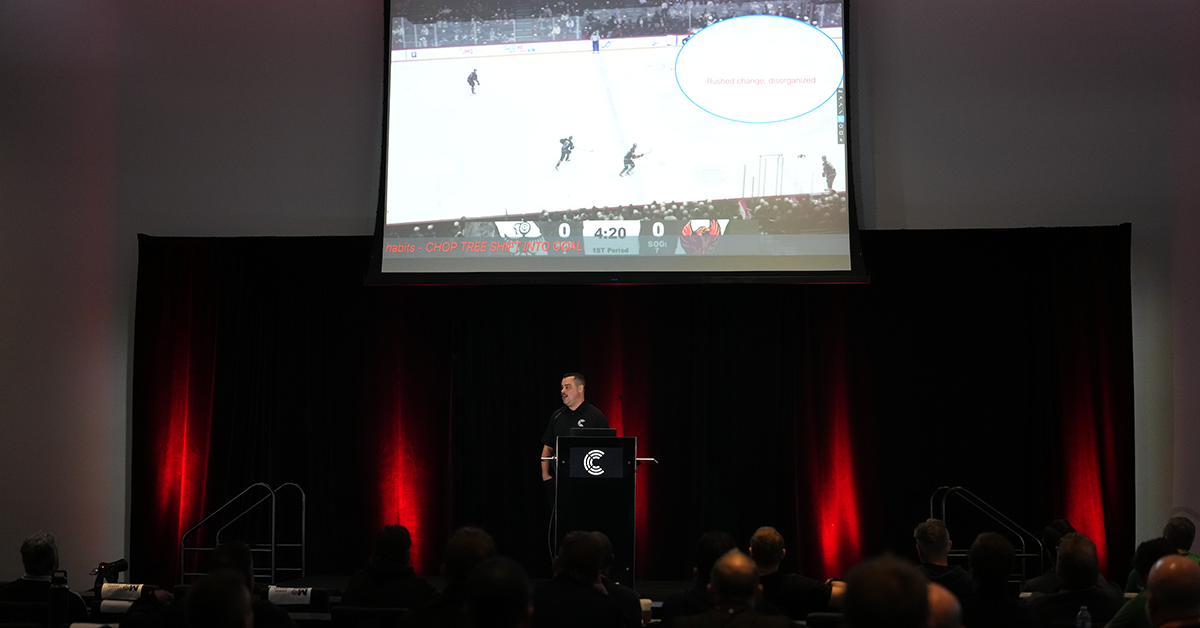
Brennan Sonne challenged coaches to define what “compete” actually means to their teams. After recognizing that players and coaches can have completely different interpretations of the word, Sonne developed a system of specific “compete markers” that made competitiveness measurable. His categories included actions such as blocks, puck battles won, desperate defence and physicality. By tracking and clipping these actions, Sonne created a system where players could clearly see what behaviours contributed to winning. His teams consistently won when they reached 25-30 compete markers, while failing to reach 15 was strongly associated with losing. Most importantly, the markers were based on choices rather than talent, giving every player an opportunity to contribute to the team’s identity.
Frantz Jean | Establishing a Post-Area Game Plan for Goalies
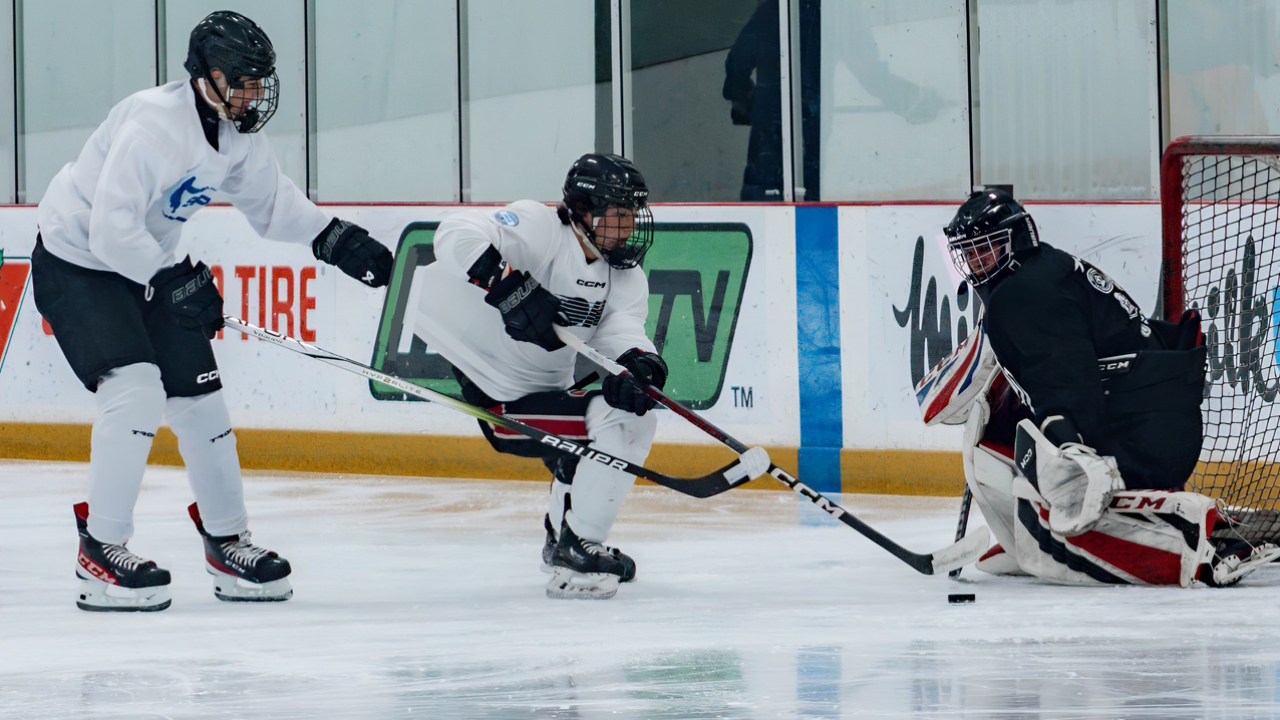
Tampa Bay Lightning goaltending coach Frantz Jean explored how analytics have helped reshape modern goaltending, introducing the concepts of “post proximity” and the “pre-load area.” Jean explained that goalies can be more effective by staying connected to the post and getting set before the play develops, rather than aggressively challenging every situation. His analysis of NHL footage showed how dangerous plays from the dead-angle area can be managed through proper positioning and RVH technique. Jean also emphasized that these concepts need to be built into practice through repetition and video, allowing goalies to develop the discipline and confidence to trust their positioning in games.
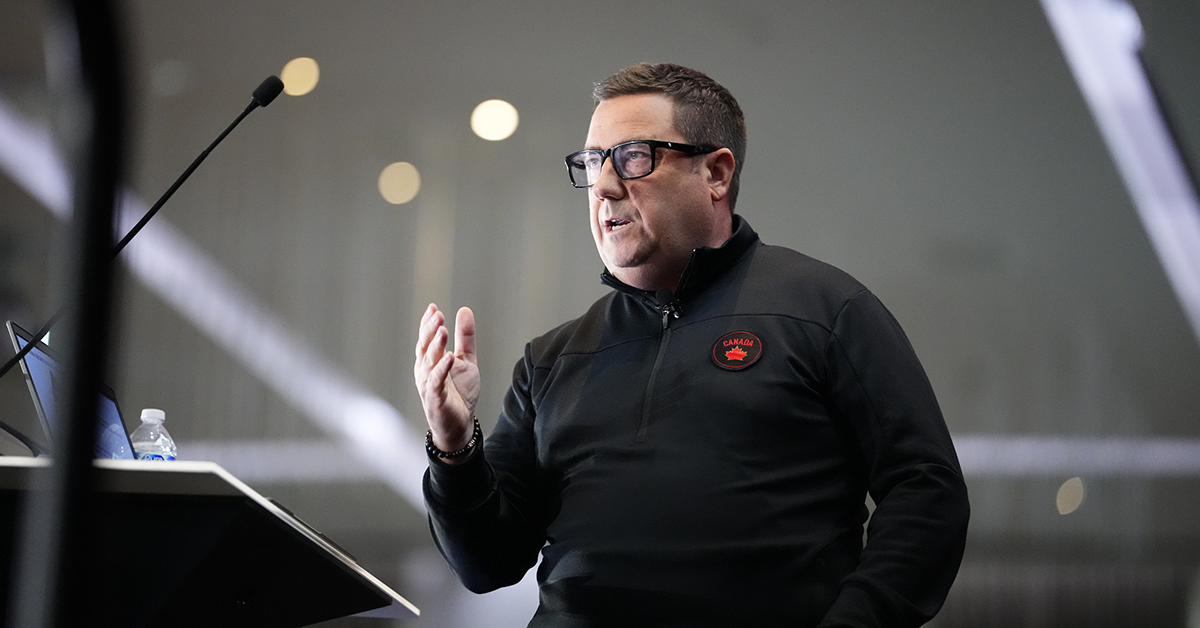
Misha Donskov | Building the 5v5 Olympic Pre-Scout
Fresh off his experience as an assistant coach with Team Canada at the 2026 Olympic Games, Misha Donskov provided a behind-the-scenes look at building a 5v5 pre-scout for international competition. Donskov’s process involved four steps: reviewing the opponent’s games, examining previous head-to-head meetings, establishing the opponent’s identity and strengths, and developing Canada’s game plan to exploit weaknesses while imposing its own strengths. Despite the extensive preparation required, Donskov emphasized simplifying the information for players. His presentations were kept under 10 minutes and focused on short, direct and actionable messages, reinforced with clips of players successfully executing the game plan.
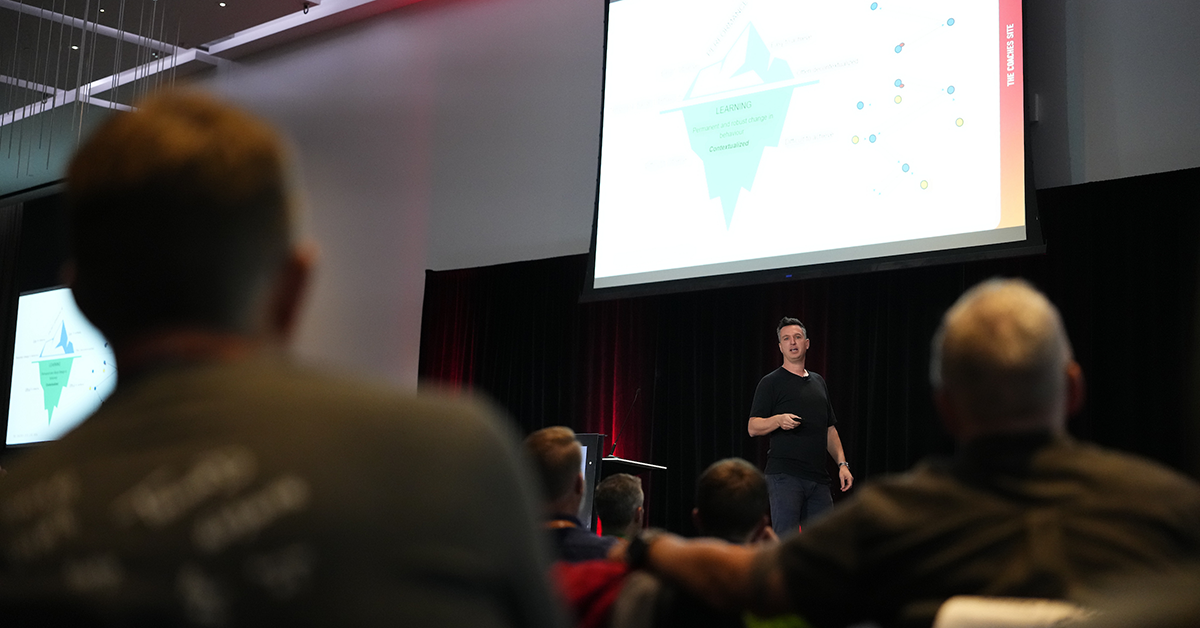
Job Fransen | Designing Practice With Purpose to Optimize Skill Acquisition
Skill acquisition expert Job Fransen challenged coaches to rethink how they design practice, emphasizing that optimal development requires intentionality. He explained that effective practice must balance the quality and quantity of repetitions, while avoiding both insufficient repetition and mindless repetition. Fransen identified three key components of intentional practice design: establishing a clear goal, creating productive struggle and ensuring the skill transfers to the game. His presentation reinforced that every repetition, coaching interaction and second of practice should have a purpose, with the ultimate test being whether the practice actually prepares players for competition.
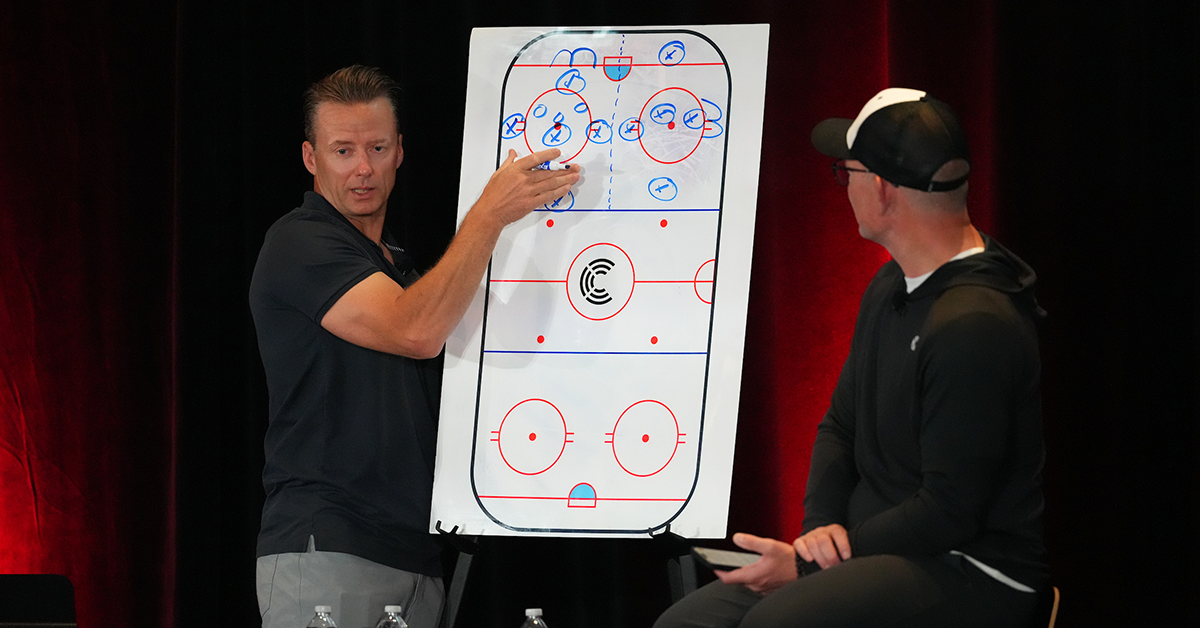
Glen Gulutzan | Live Recording of the Glass and Out Podcast
The final presentation of TCS Live took the form of a live episode of the Glass and Out Podcast, hosted by Aaron Wilbur with Dallas Stars head coach Glen Gulutzan. Gulutzan discussed his unconventional path from Hudson Bay, Saskatchewan, through the WCHL, ECHL and AHL before reaching the NHL, demonstrating that there isn’t one straightforward route to the highest level of coaching. During the conversation, he shared stories from working alongside coaches such as John Tortorella and Mike Sullivan, while discussing practice design, tactics, puck touches and power-play development. Gulutzan also offered a message to minor hockey coaches: prioritize development over winning, because developing every player ultimately makes the team better.