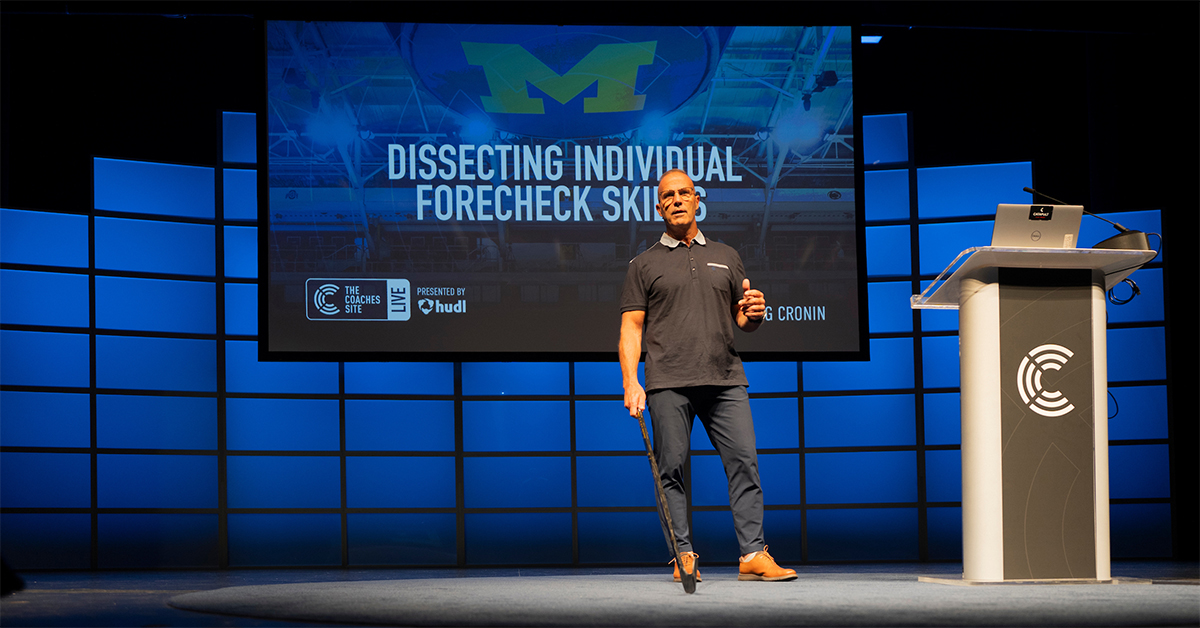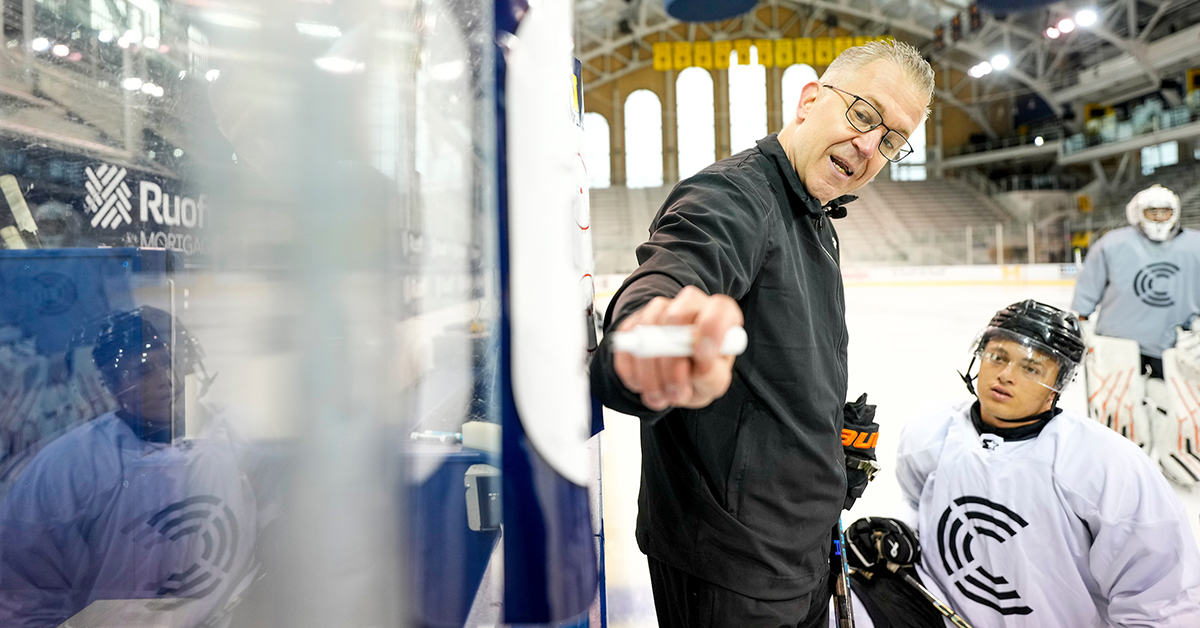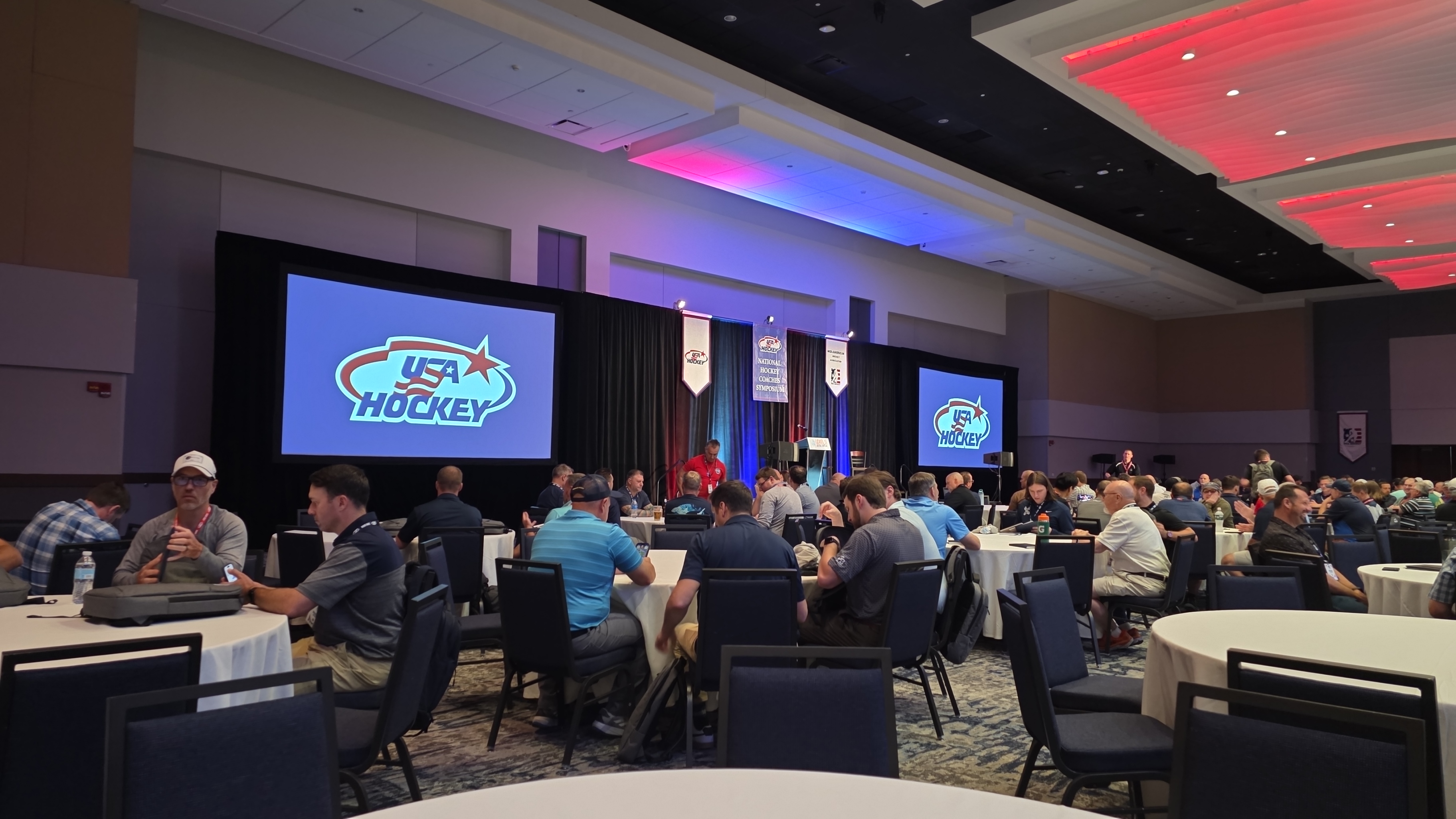

Day 2 of TCS Live 2026 in Edmonton, Alberta, continued the conference's focus on practical, transferable development, with presenters exploring everything from skating mechanics and player evaluation to breakout systems, video analysis, shooting and goaltending. A common thread ran throughout the day: development is most effective when coaches understand the details behind performance, create game-representative environments and give players the tools to make better decisions under pressure.
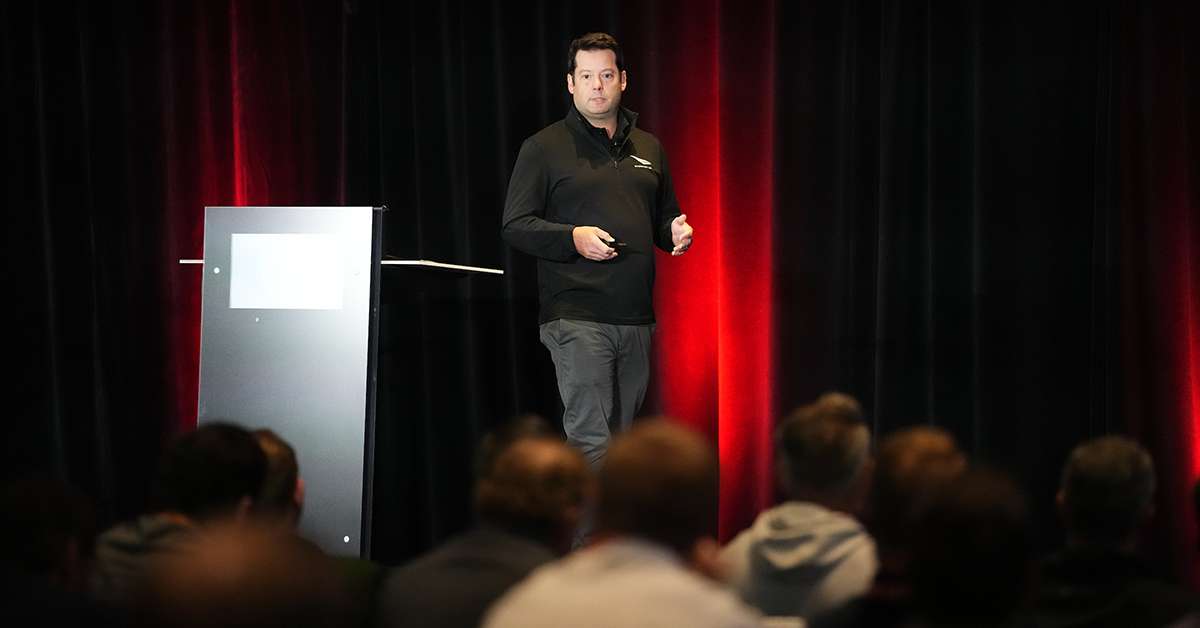
Ryan Crelinsten | Measuring the Skating Stride
Ryan Crelinsten kicked off Day 2 by challenging coaches to look beyond simply observing skating outcomes and understand the mechanics creating them. Using skate-mounted sensors, Crelinsten demonstrated how coaches can objectively measure elements such as acceleration, blade angle, edge usage, foot position and stride tempo. The goal isn't to collect data for the sake of collecting it, but to identify specific areas for improvement and then measure whether those changes are actually making a difference. His message was simple: better measurement gives coaches a clearer roadmap for developing one of hockey's most important skills.
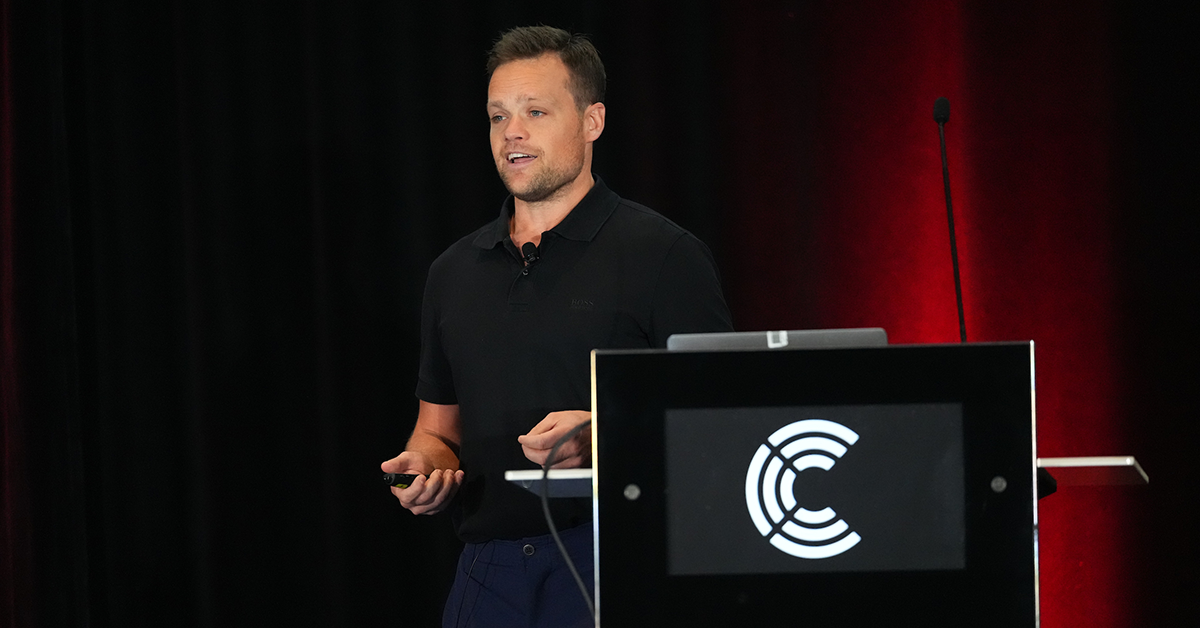
Riley Dudar | Live Drills for Bridging the Gap Between Practices and Games
Riley Dudar challenged coaches to consider whether their practices are developing players who are good at drills or players who are actually good at hockey. He explained that isolated skill drills often remove the pressure, variables and decision-making that define real games. Dudar demonstrated how coaches can progressively add those elements, moving from isolated skills to passive defenders, live drills, small-area games and eventually full 5-on-5 situations. The goal is to gradually increase pressure and complexity so players learn to adapt and make decisions instead of simply executing predetermined movements.
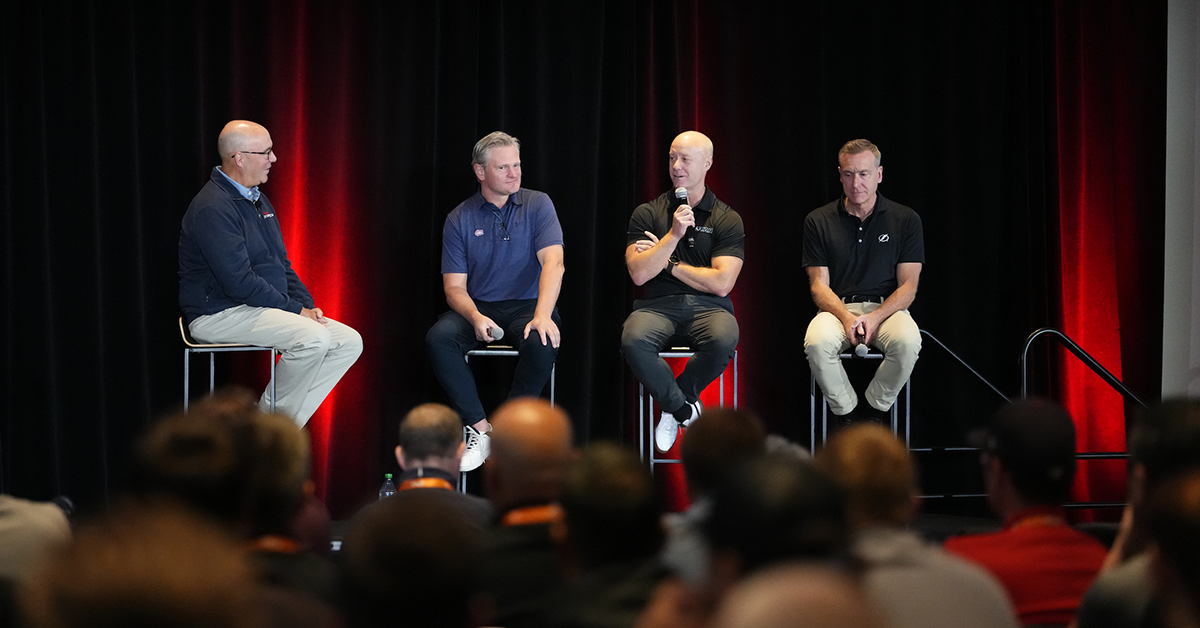
Pierre McGuire, John Riley, Darryl Plandowski & Nickolai Bobrov | Elite Prospects Evaluation Roundtable
Pierre McGuire moderated a fascinating conversation with NHL scouts John Riley of the Tampa Bay Lightning, Darryl Plandowski of the Utah Mammoth and Nickolai Bobrov of the Montreal Canadiens on the complexities of evaluating and developing young players. The panel emphasized that drafting is far from an exact science, with skill, physical attributes, attitude, hockey sense and environment all playing a role. The scouts also discussed balancing analytics and video with traditional in-person scouting, with Riley stressing that data should supplement, rather than replace, live evaluation. Once players are drafted, communication between scouting, development and coaching staffs becomes critical, while giving young players room to experiment, fail and develop over the long term.
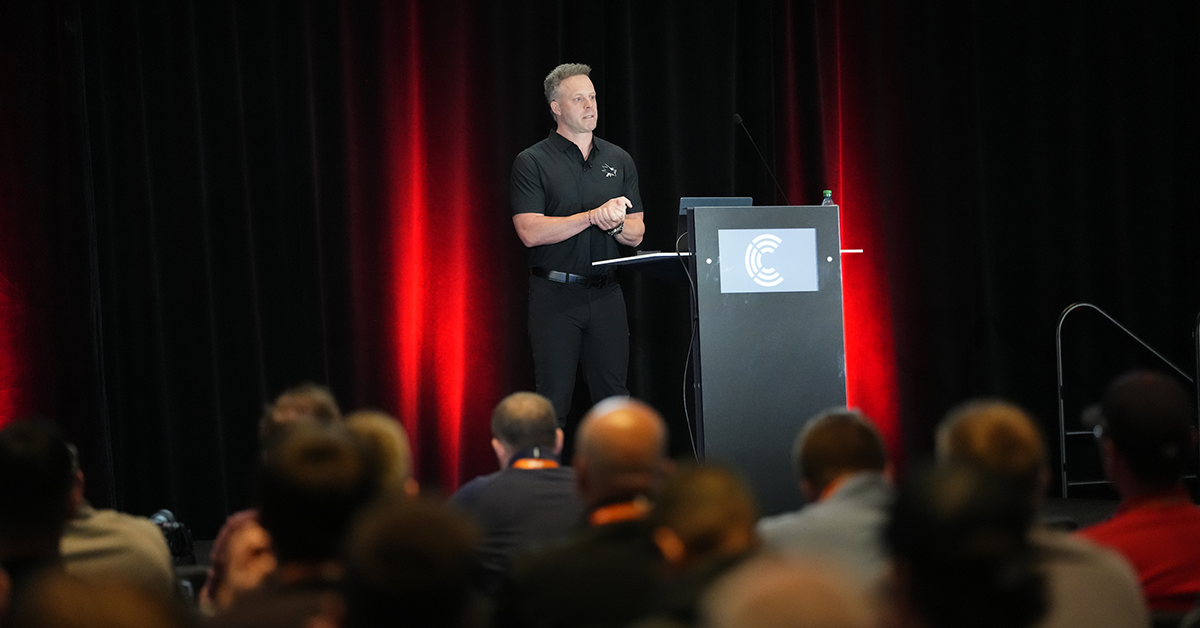
Jeff Ulmer | San Jose's Rookie Road Map
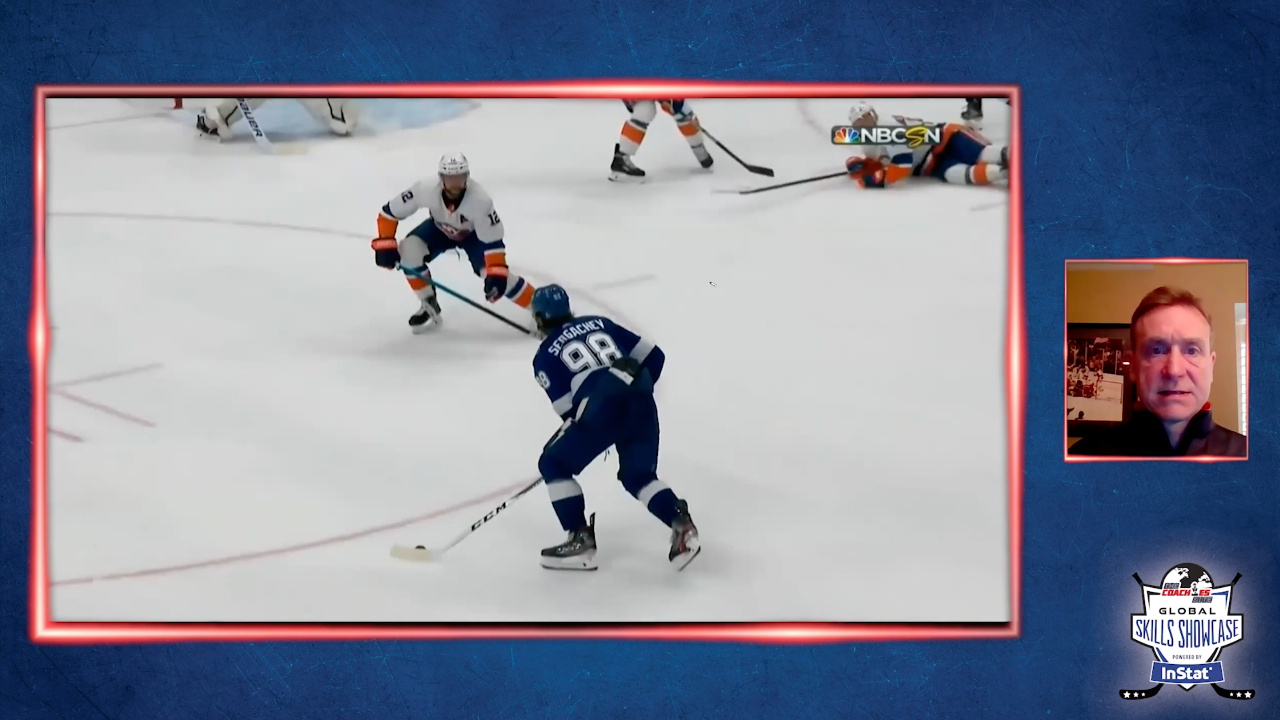
San Jose Sharks assistant coach Jeff Ulmer shared the organization's approach to accelerating the development of young players through its "Rookie Road Map." With limited on-ice time, Ulmer emphasized using video deliberately to identify and reinforce specific development habits. The Sharks categorize forward development into six key areas, including playing under pressure, spatial awareness, puck protection, neutral-zone entries, defensive-zone details and shooting. Ulmer also stressed the importance of adding chaos to drills so players develop skills in unpredictable environments. He shared how the Sharks used video, communication and individualized development plans to keep Michael Misa progressing throughout a challenging rookie season, ultimately helping him return from injury and continue improving at the NHL level.
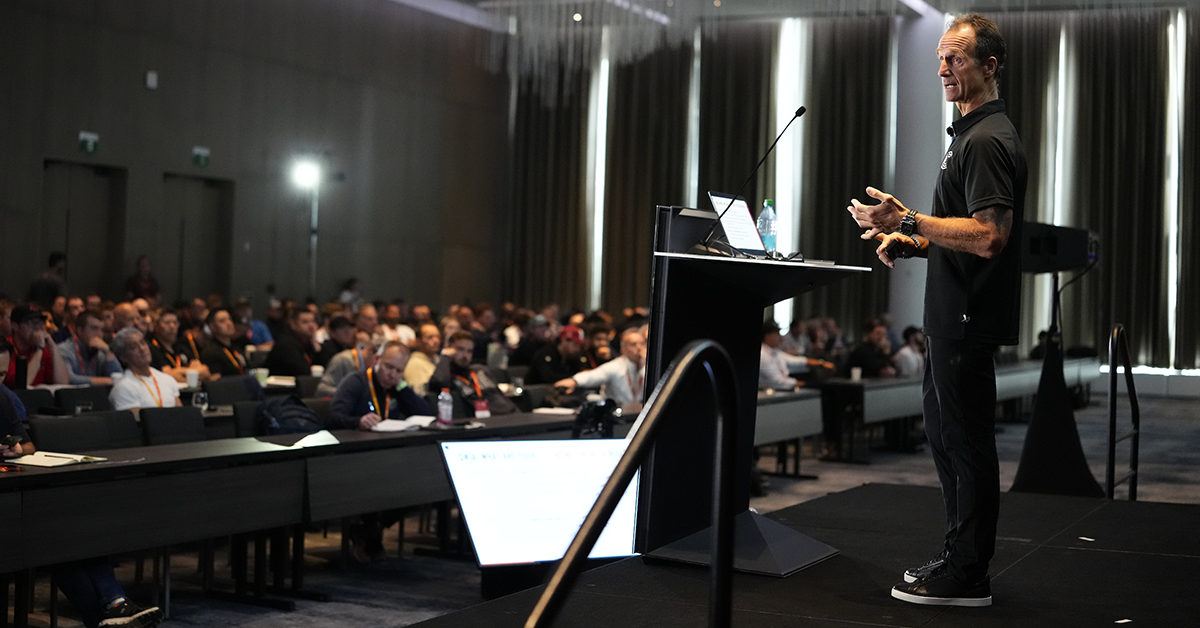
Jamie Kompon | Building the Right Breakout for Your Team
Florida Panthers assistant coach Jamie Kompon challenged the idea that there is one perfect breakout system for every team. Instead, he encouraged coaches to build their breakout around their team's identity, personnel and existing systems. Kompon emphasized aligning breakout rules with neutral-zone forechecking and transition defence, while using consistent landmarks on the ice to simplify decisions under pressure. He also stressed the importance of having a plan for playoff situations, when time and space disappear, and practicing those concepts repeatedly throughout the week. His central message was that predictability creates simplicity, and simplicity allows players to make decisions faster and with greater confidence.
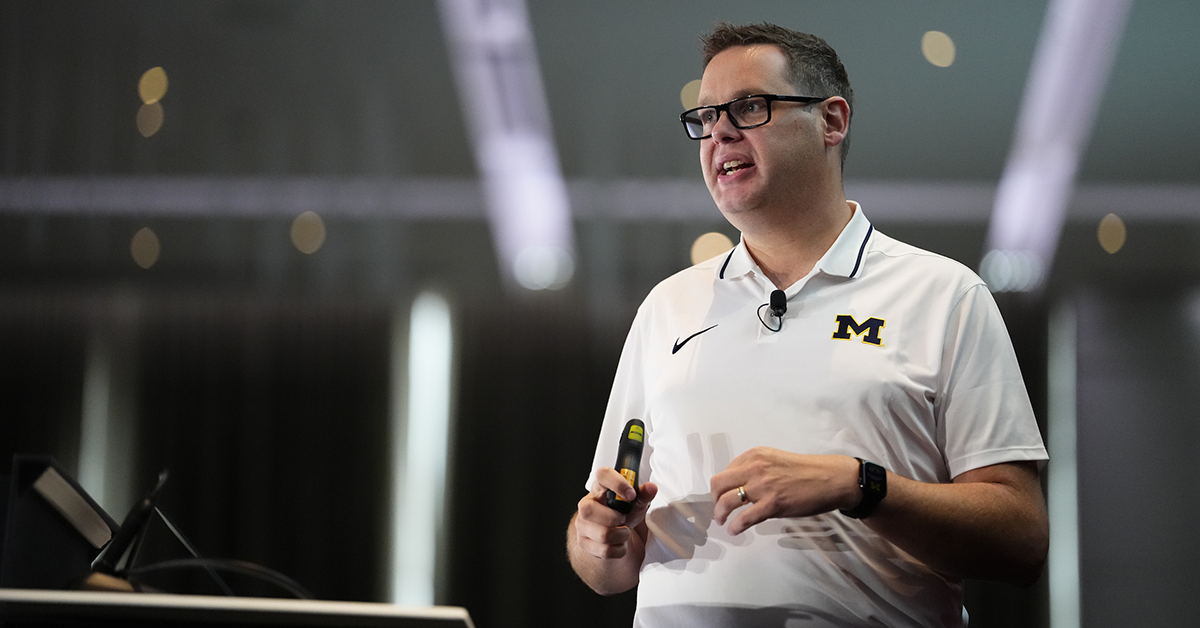
Andrew Brewer | Turning Video Into Your Advantage
Andrew Brewer explored how technology can help coaches turn large amounts of video and data into practical coaching information. Using Hudl's InStat platform as an example, Brewer demonstrated how coaches can access game footage, track player and team performance, identify trends and create a consistent process for opponent preparation and player development. He particularly highlighted the value of video and analytics in scouting, noting that InStat provides access to an enormous database of games and players across levels. His presentation showed how technology can help coaches spend less time searching for information and more time using it to make better decisions.
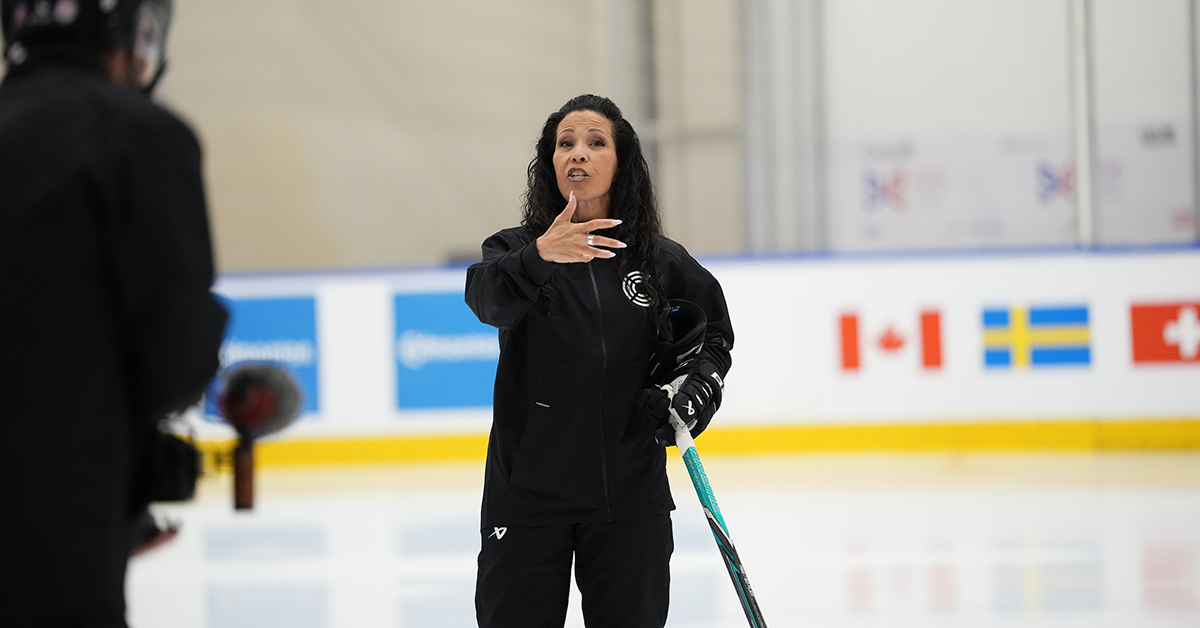
Danielle Fujita | The Key to Explosive Acceleration
Calgary Flames skating coach Danielle Fujita took coaches onto the ice to explore the mechanics behind explosive acceleration. She introduced the concepts of turnout and tilt, explaining how skate angle and body position influence force production. Fujita also challenged the traditional idea that players should simply push harder to accelerate, demonstrating that explosive first steps require light, quick movements before gradually lengthening the stride. She also explained why players shouldn't necessarily start in a low skating position, instead using a higher posture during initial acceleration before lowering as they reach full stride. By showing players both correct and incorrect movement patterns, Fujita made the mechanics tangible and easy to understand.
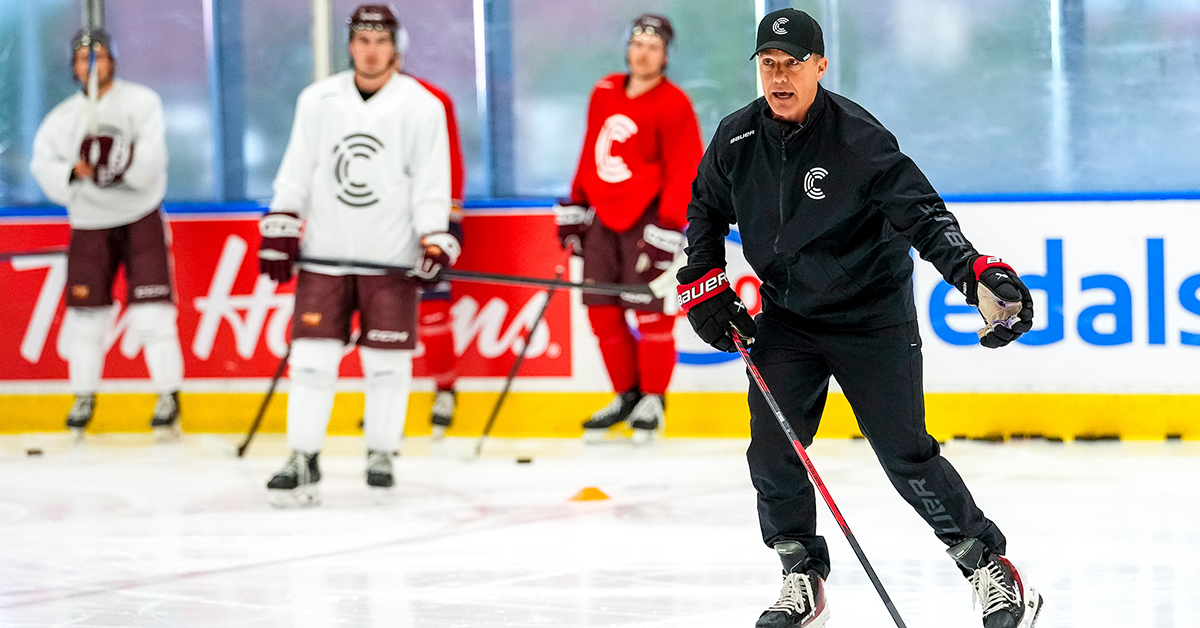
Dean Seymour | The Art of the Elite Release
Hockey Canada's Dean Seymour broke down the mechanics behind developing an elite release, particularly when players are shooting in stride and under defensive pressure. He focused on the final movement before the puck leaves the stick, introducing the concept of "catch and release" or the "two-touch shot." Seymour emphasized coordinating footwork, puck movement and weight transfer so the shot becomes one fluid motion. He also highlighted the importance of where players collect the puck on their stick blade, explaining how modern stick technology can help players move quickly from forehand to backhand and get the puck off their stick faster.
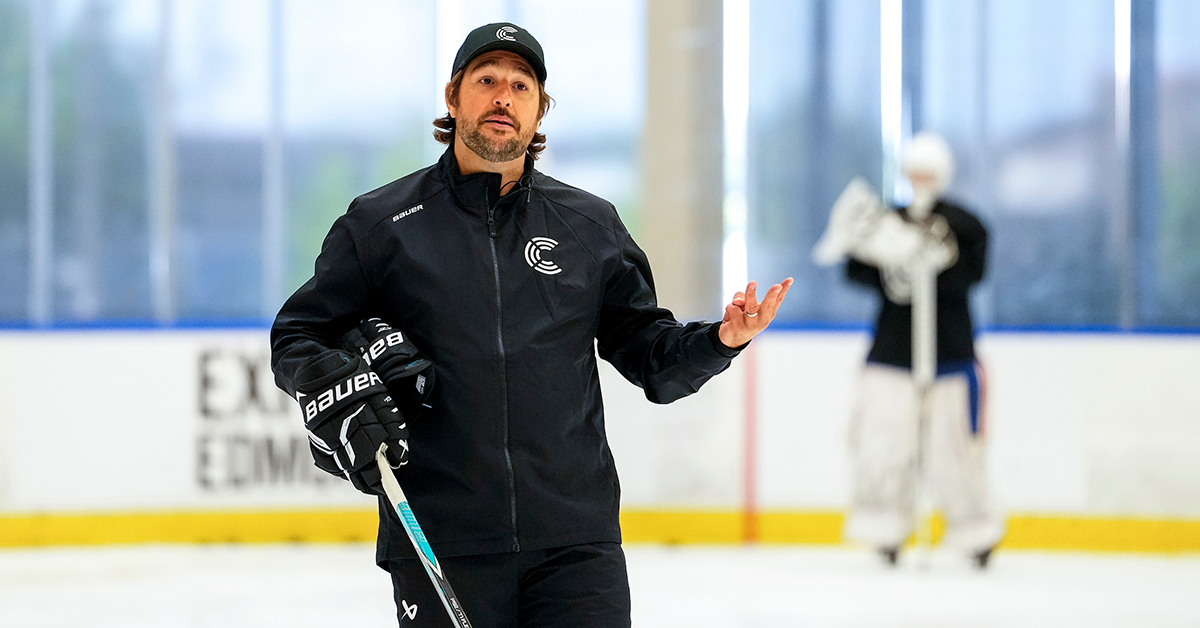
Alexandre Chénier | The Pass Before the Pass
Hockey skills coach Alexandre Chénier focused on developing players who can use passing skills to solve problems rather than simply repeat a technical movement. His drills forced players to scan, gather information and adjust their movements before and after receiving the puck. Players were presented with multiple solutions and had to recognize which option was available based on the positioning of teammates and defenders. Chénier emphasized the importance of moving before receiving the puck so players can be ready to make the next play immediately. His philosophy centered on teaching players how to use a skill in changing environments, rather than simply mastering the skill in isolation.
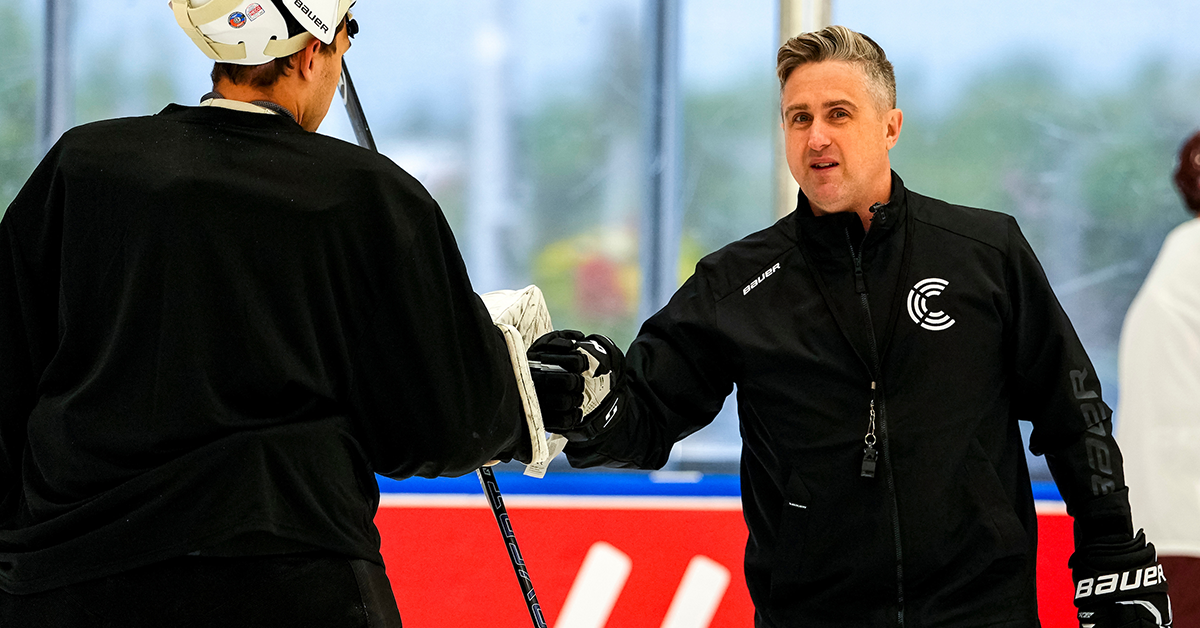
Juliano Pagliero | Turning Goalie Reads Into Offensive Opportunities
Penn State associate head coach Juliano Pagliero challenged players to stop thinking solely about beating the goaltender and instead focus on understanding what the goalie is seeing and how they are reacting. Through high-tempo, game-like drills, he encouraged players to observe how goalies respond to different angles, shots, net-front plays and passes through the crease. The objective is to manipulate the goalie's attention, create movement and force difficult decisions. By using quick passes, rebounds and changes of direction, offensive players can disrupt a goalie's routine and create opportunities. Pagliero's message was that understanding the goalie's perspective can make attackers much more effective.