Late in games, defensive posture often shifts subtly. Teams stop attacking the game and begin protecting the score. The intent is composure, but the result can be passivity.
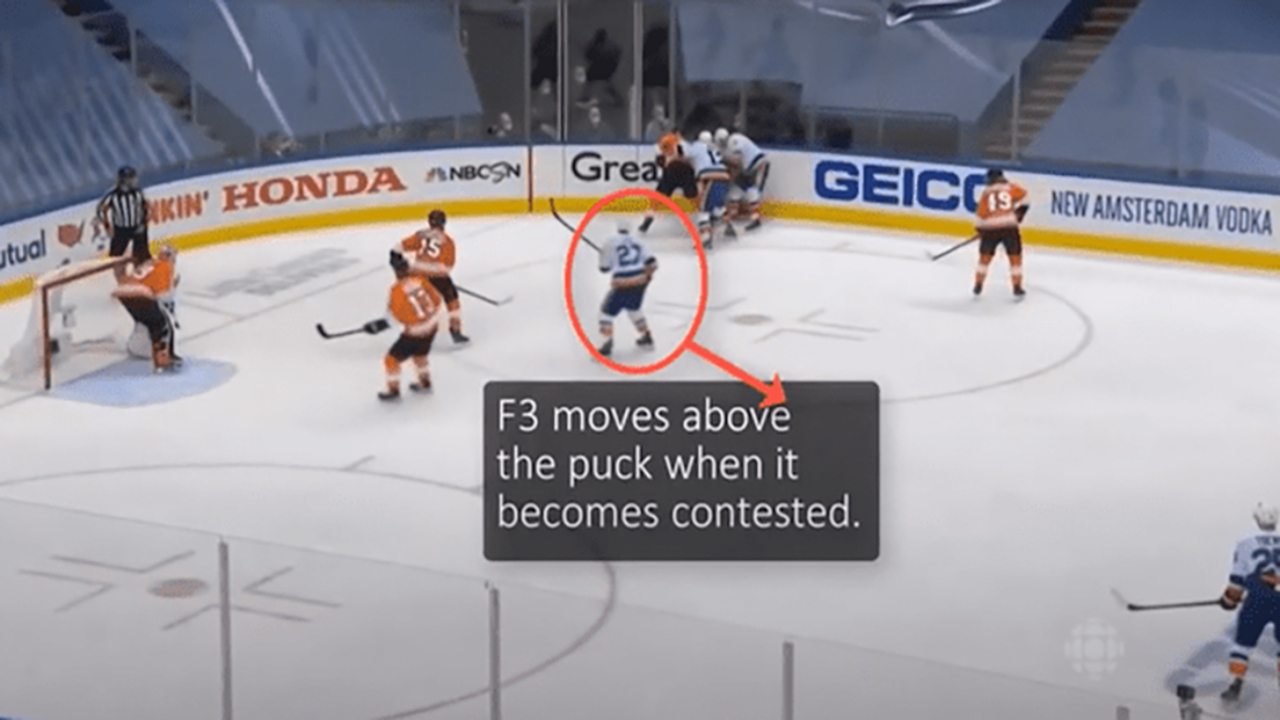
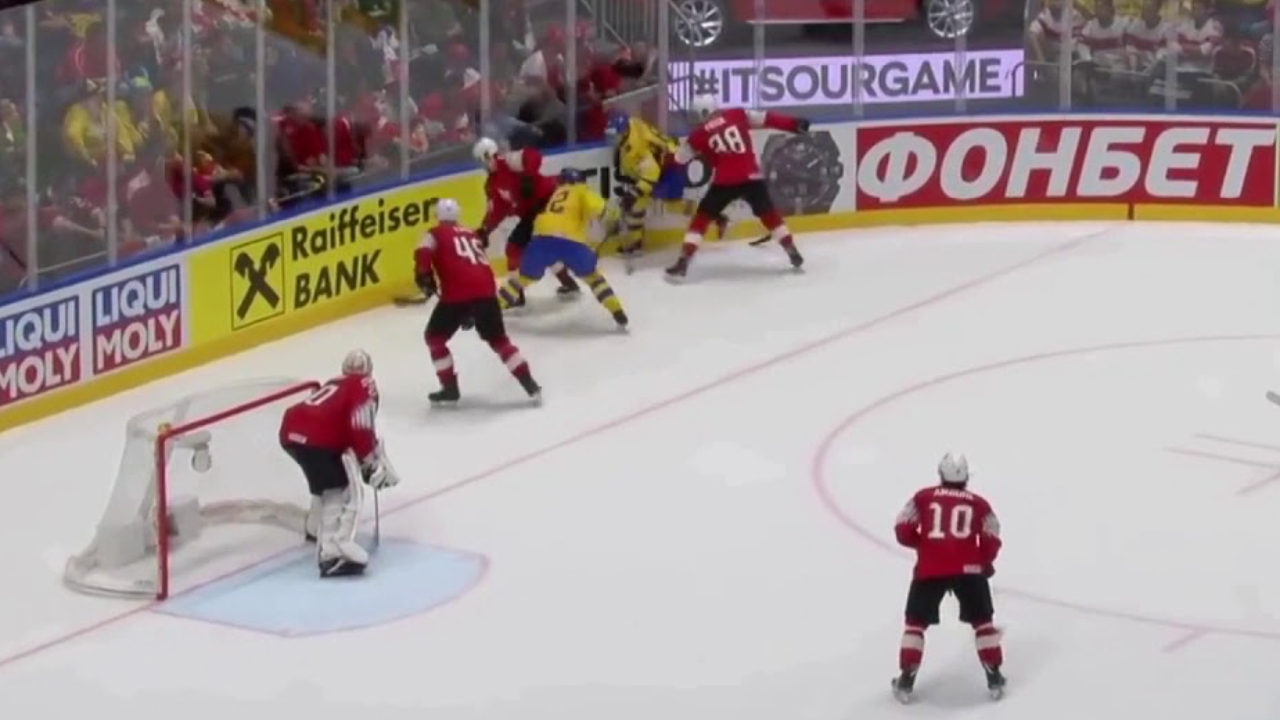
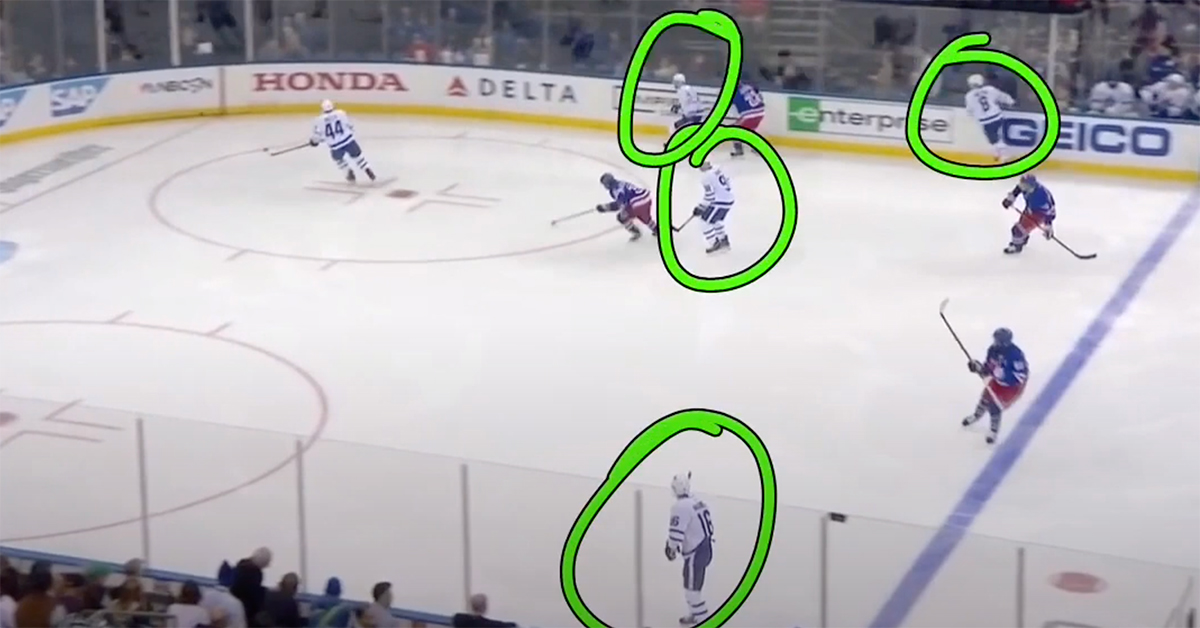
In this sequence from Canada vs. Finland (2–2 tying goal), Finland has full defensive-zone structure. All five players are below the top of the circles. On the surface, it looks organized and compact.
But look closer.
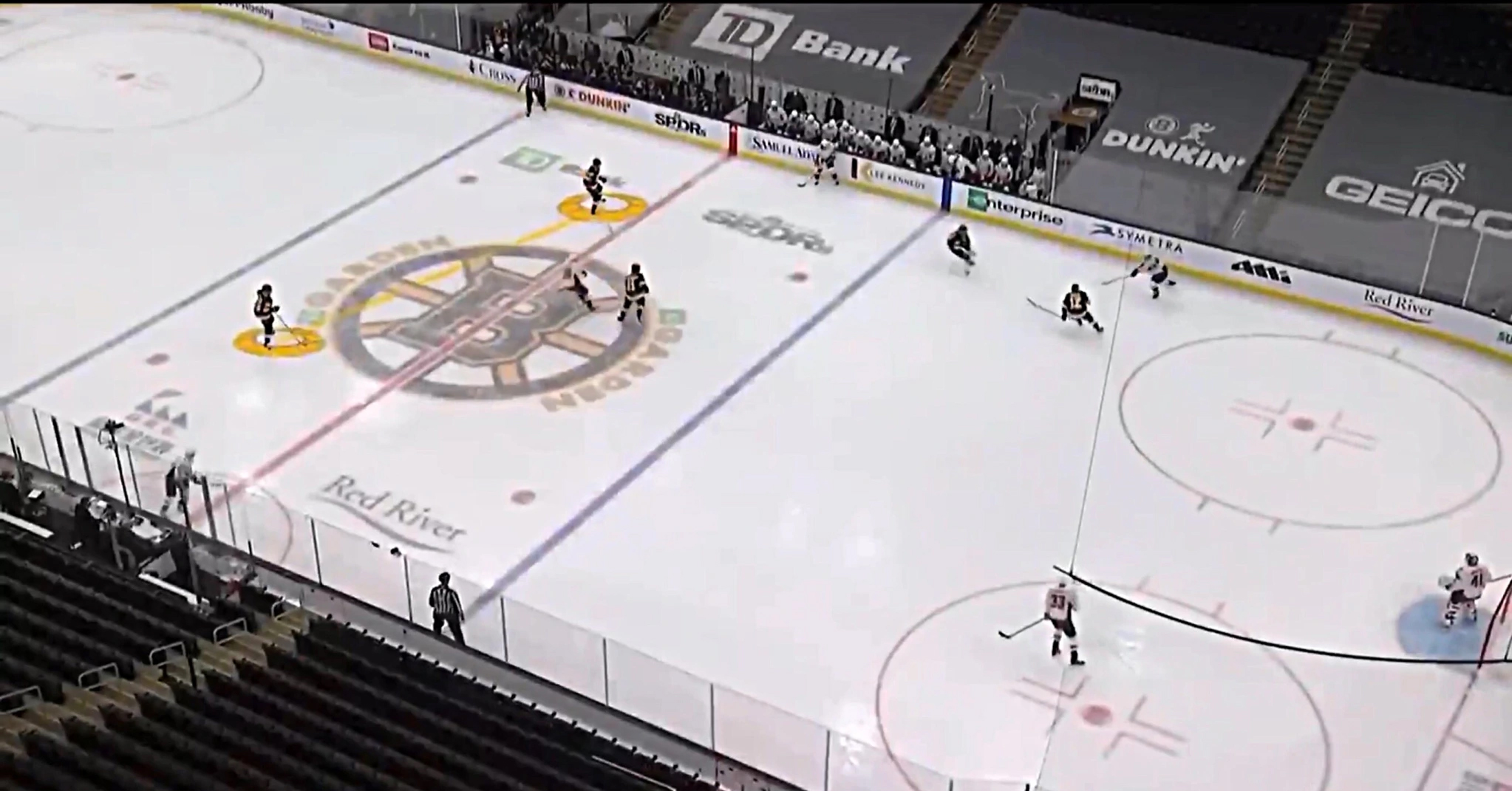
When Canada regains possession high in the zone, there is no pressure on the puck. The Canadian defensemen are allowed to walk the blue line uncontested. With no forward challenging high ice, Canada controls the top of the zone comfortably.
Because there is no disruption above the circles, Finland’s defense collapses lower and lower toward the slot. What begins as structure turns into contraction. Sticks and bodies sink toward the net, but the puck remains uncontested above them.
Time and space at the blue line forces defensive layers to compress. Passing lanes widen. Screens establish. Rebounds become more dangerous.
The tying goal is not the result of a single missed assignment. It’s the result of surrendered ice.
When teams play to protect instead of pressure, they trade initiative for containment. And containment without disruption eventually breaks.
The key teaching point: defensive-zone structure must include pressure above the puck. If you allow clean possession in high ice, you are defending on borrowed time.
Playing not to lose often means giving the opponent exactly what they need to win.