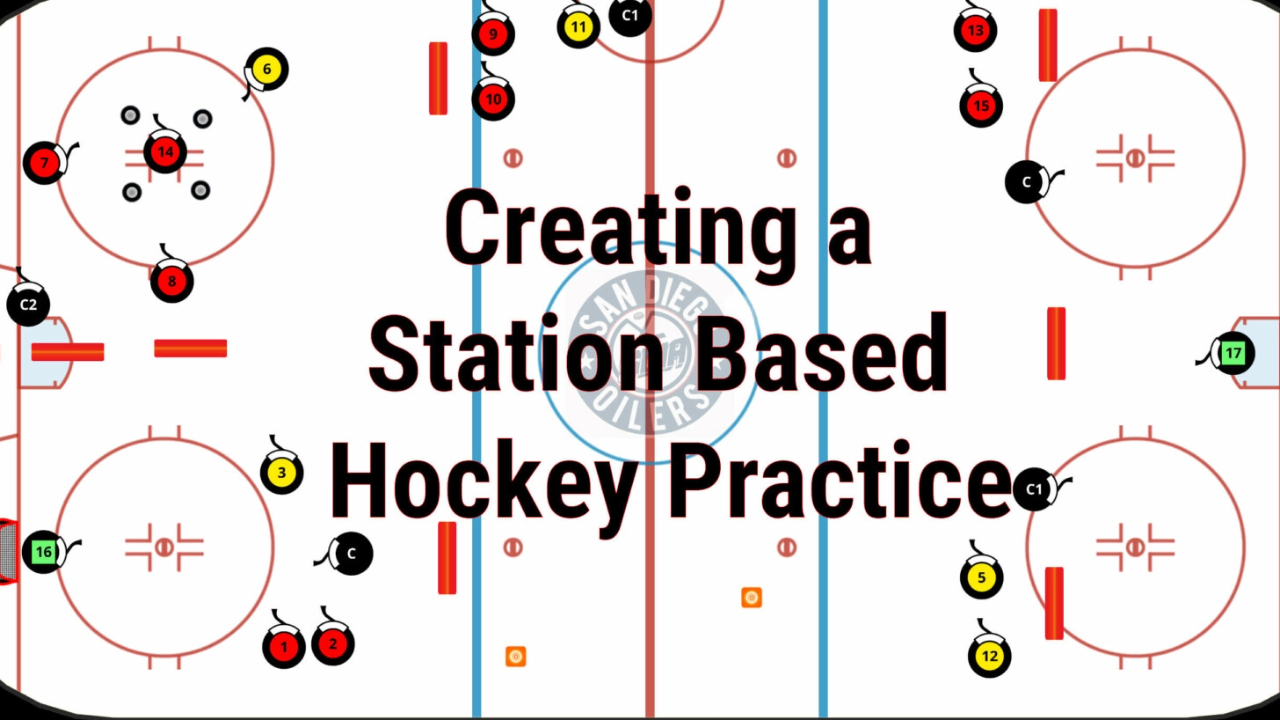
Walk into almost any rink during prime practice hours and the scene looks remarkably consistent. Players weave through orange cones, exchange crisp passes across open ice while standing flat-footed, and step into unopposed wrist shots from the high slot. It looks disciplined, structured, and clean.
Then game day arrives, and coaches are left shaking their heads. Those same players freeze under pressure, skate with their heads down directly into traffic, and cough up pucks the second an opponent angles them toward the glass.
The issue is not one of poor technique, or “skill” as some mistakenly call it. We have not failed to teach our players how to stickhandle or execute a proper wrist shot; we have failed to teach them how to perceive the environment and apply the right “skill" at the right time to solve the problem being presented.
Dr. Richard Schmidt, author of Motor Learning and Performance: From Principles to Practice, has long argued that unopposed, blocked repetitions serve one narrow purpose: giving an athlete a basic, gross understanding of a movement pattern in as few as six to ten repetitions. Beyond that initial technique introduction, running static, unopposed drills produces a hollow illusion of competence. A plastic cone has never closed a gap, angled a puck carrier, or lifted a stick. By stripping away opposition, we sever the biological link of perception-action coupling, the critical loop where an athlete reads an opponent's body language before choosing and executing a specific movement solution.
If we want skills that survive game pressure, we have to stop isolating technique and start building opposition directly into our practice design.
Skating Through Tag and Races
I’ll say something provocative: Traditional power skating sessions in a team setting are a waste of time. We line players up on the goal line for edge circles, execute scripted transitions around cones, and strive to teach players a “perfect" stride. To build stamina, we finish practice with bag skates. The movements are purposeful, but they demand zero awareness, don't present a game-like environment, and leave too many players standing in lines.
Replace those cone circuits and line skates with small-area tag games in tight spaces. When a player is actively chasing an opponent or maneuvering to avoid being tagged, they naturally throw their weight into deceptive cuts, dynamic stops, and explosive starts. They are forced to keep their eyes up and react to an opponent’s movements rather than worry about whether they have the “right" amount of knee bend or ankle flexion.
When it comes to conditioning, leave the “Herbies" in 1980. Continuous backcheck games and 50-50 puck races create genuine game-recovery endurance while forcing players to lean into contact, manage puck battles, and read recovery angles under fatigue.
Passing Through Rondos and Constraints-Led Games
Few drills waste more ice time than having two lines of players stand thirty feet apart, sweeping pucks back and forth across the ice. The most critical component of a pass happens before the puck ever touches the blade: scanning the ice, identifying an open seam, and reading the defender’s stick. Static partner passing strips away every one of those perceptual cues.
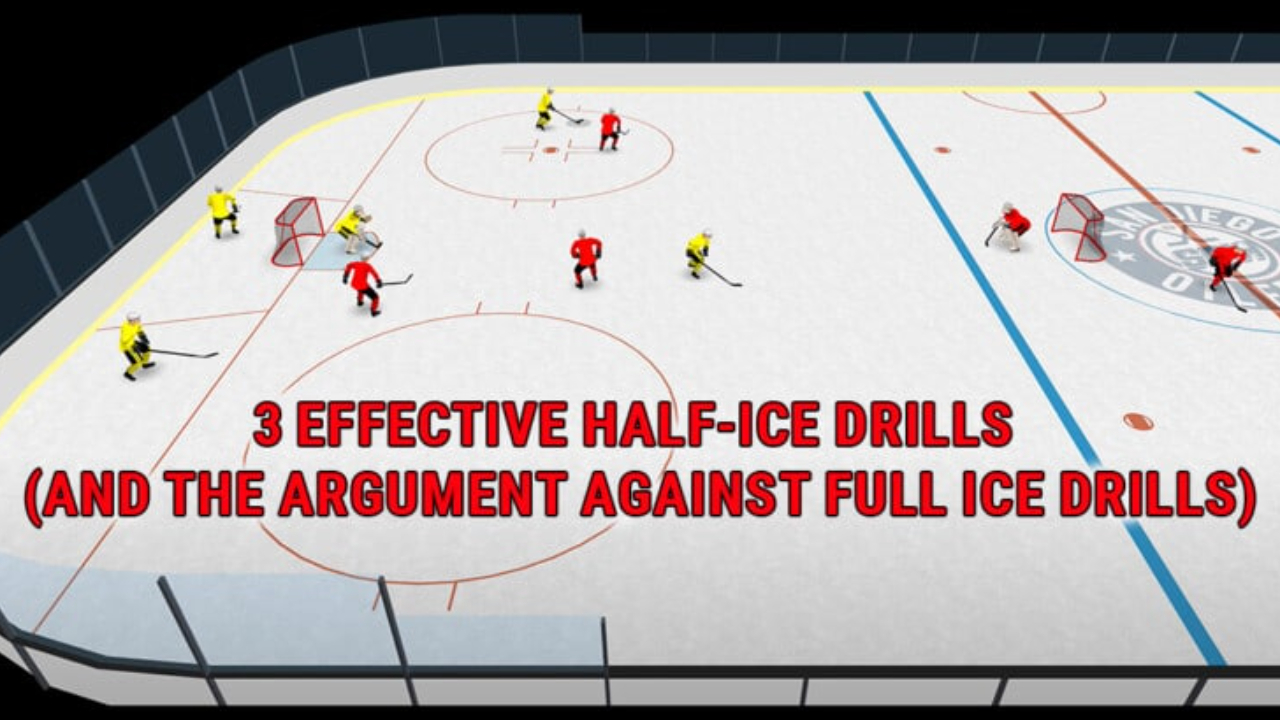
Instead, use rondos, keep-away games, or small area games. Set up a 3v1 or 4v2 rondo inside the circles or a keep-away game in a 1/6th-ice playing area to force offensive players to constantly shift angles to create passing lanes against active defensive pressure.
Take it a step further by using constraints-led small area games to reward specific types of passes or passing plays. Award an extra point for completing a saucer pass, a backhand pass, a pass across the “Royal Road," or a successful scissor cycle. The game design teaches the technique far more effectively than mindless back-and-forth passing.
Shooting Through Traffic and Pressure
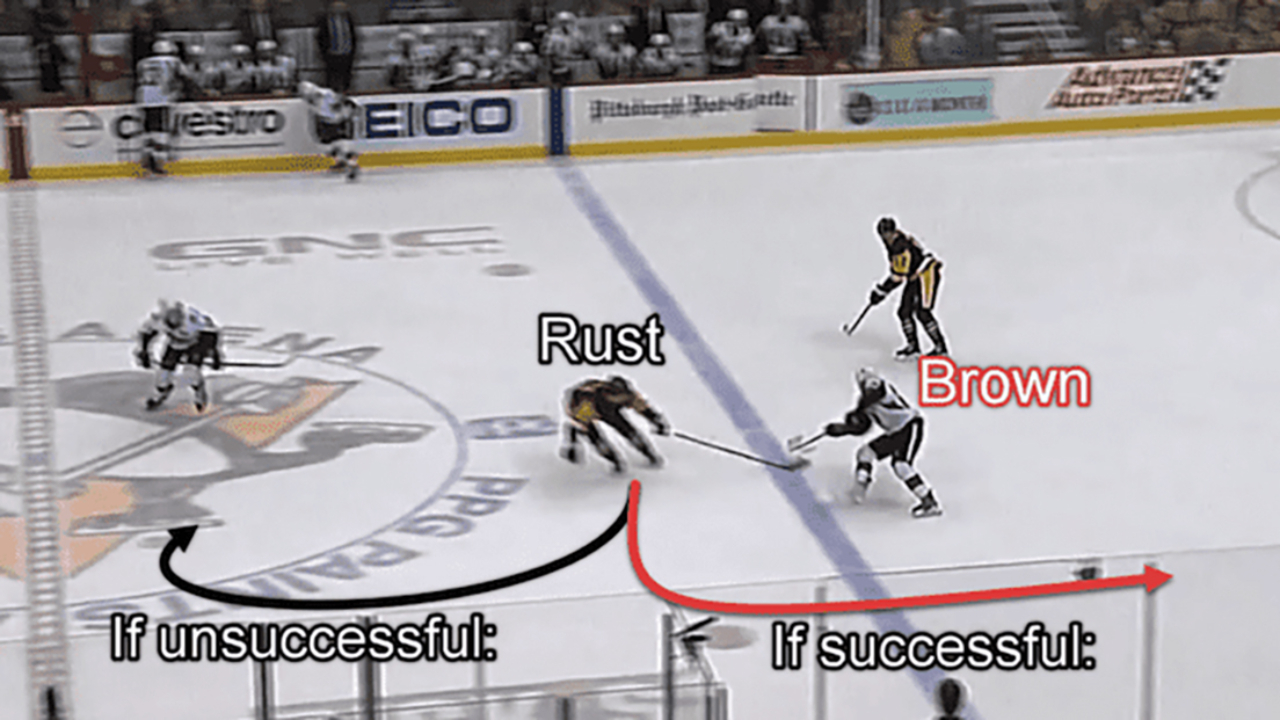
The unopposed slot shot is one of hockey’s ultimate false positives. A forward catches a flat pass, dusts the puck off, gathers their feet, and picks the top corner. In a real game, that player has roughly half a second before a defenseman eliminates their hands or a backchecker lifts their stick. They might be off-balance or not in an optimal position, but they have to figure out how to get the puck on net effectively.
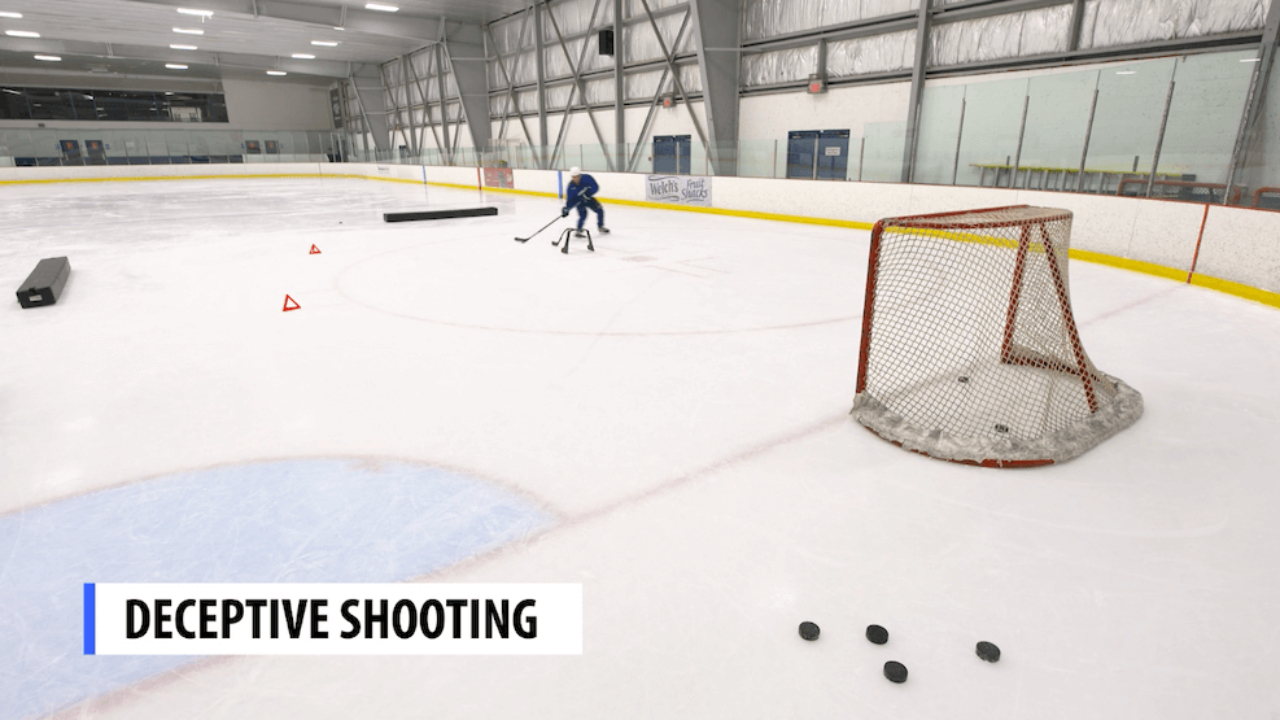
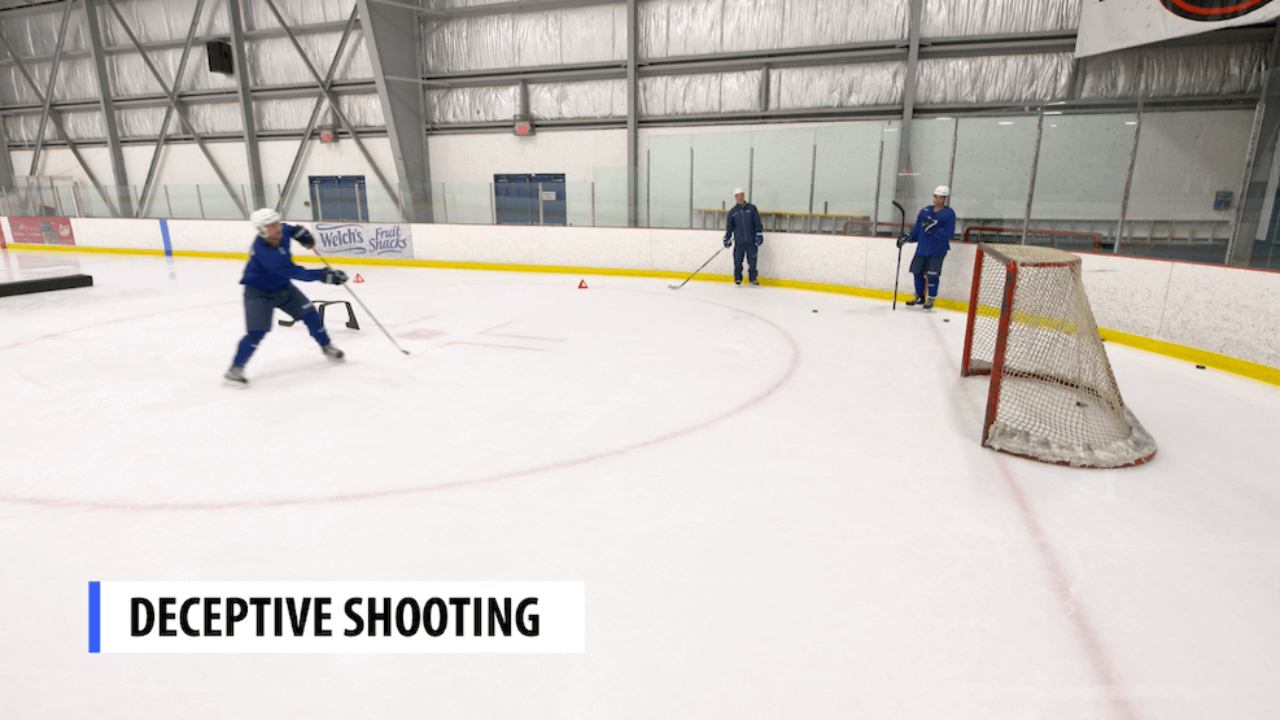
Move your shooting repetitions into tight-quarter small-area games where every release must fight through traffic and closing gaps. If you want to develop specific shooting mechanics, shape the game to demand them. Make goals count as double if they come off a one-timer, a quick backhand release around the crease, or a shot intentionally fired through a defender's legs to create a screen.
When players score in these environments, they are not just executing a release; they are learning when, where, and how that release actually functions in a game.
The Standard for Next Practice
Before stepping on the ice for your next session, review your practice plan and ask yourself this question: what skills am I trying to develop and what challenges are being presented to my players to apply those skills in a game-like scenario? If the answer is an orange cone or an open sheet of ice, the activity is robbing your players of the chance to read, anticipate, and adapt.
Introduce an active coach’s stick, a backchecker, or a forechecker. Put bodies in the way, shrink the playing area, and let the realities of the game forge the skill.