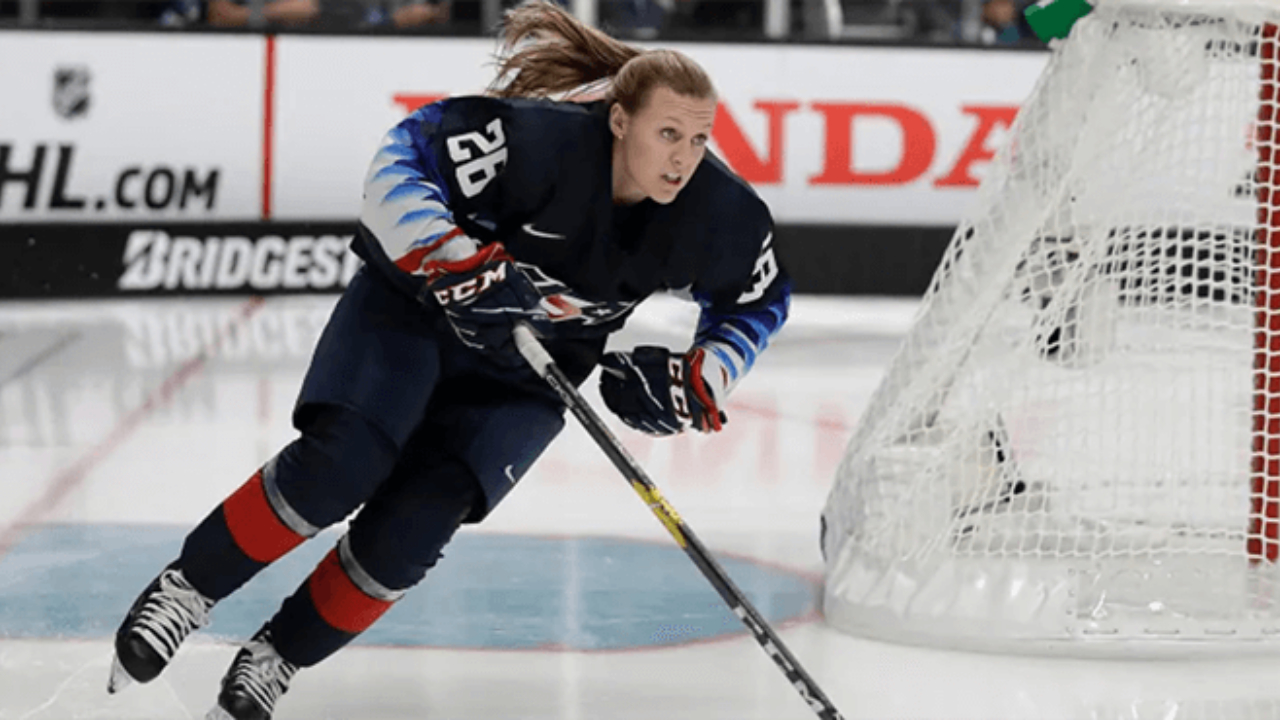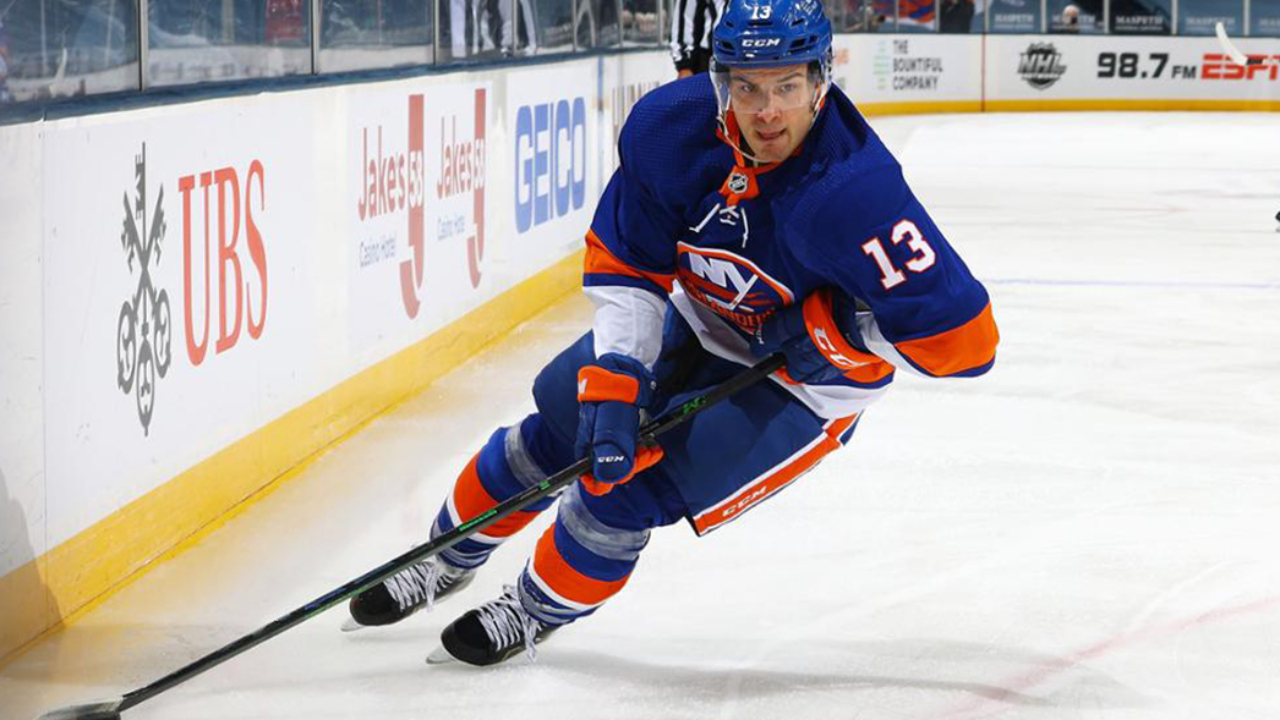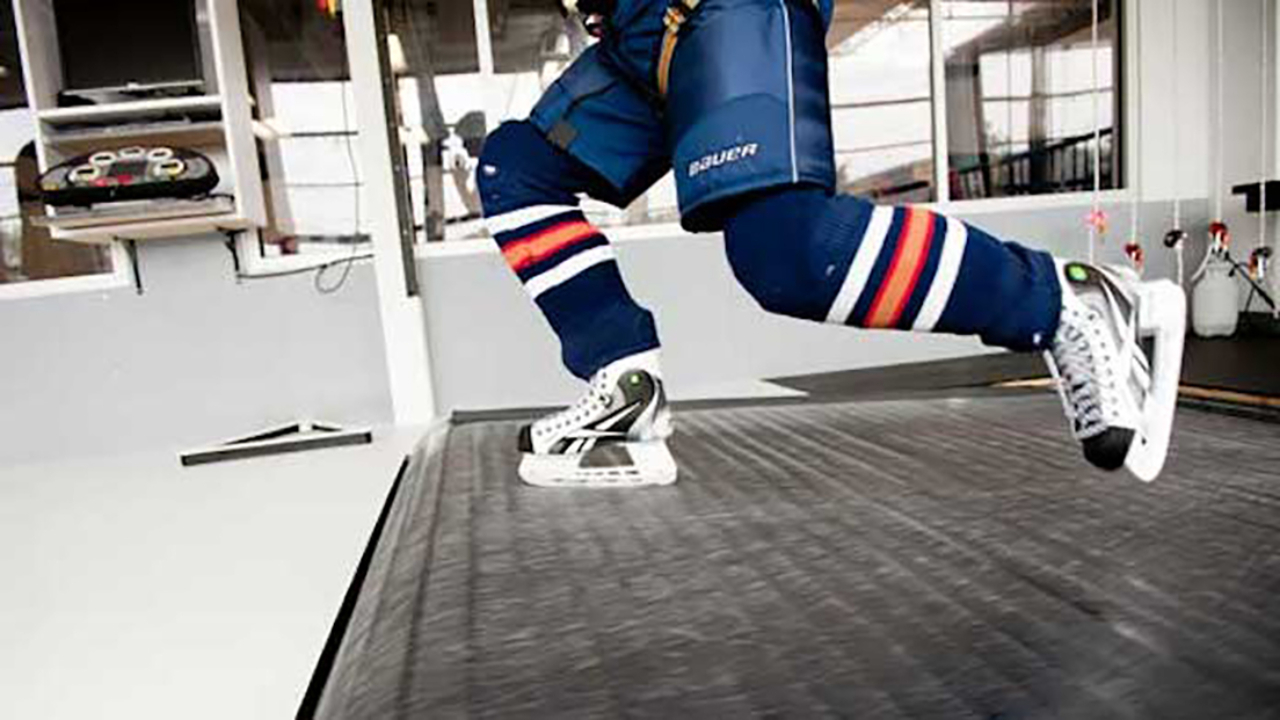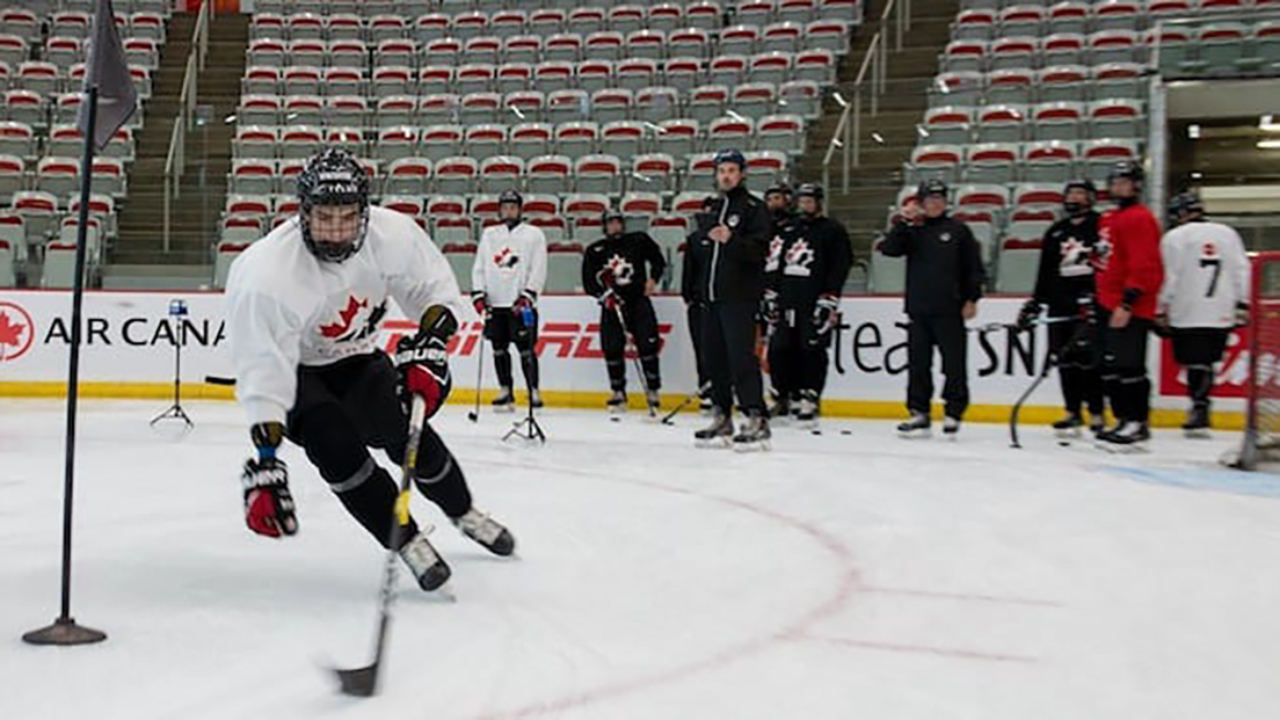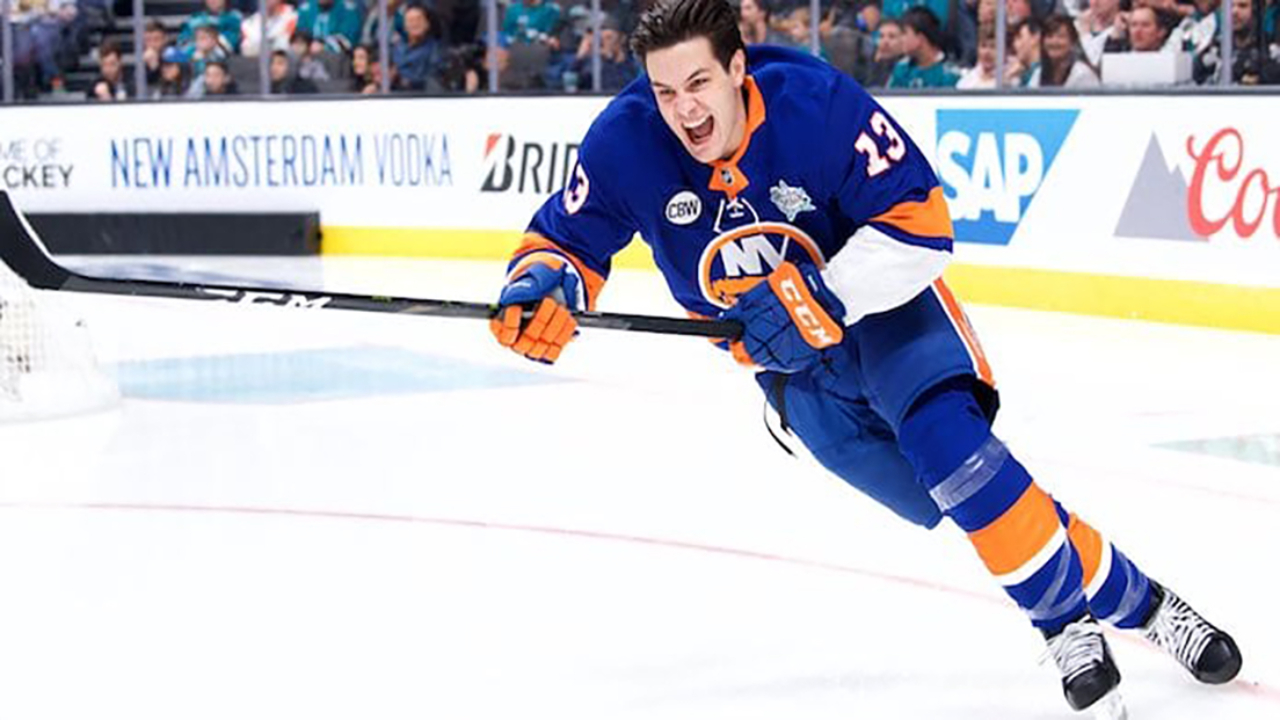
These days, there's a ton of info out there, so we coaches have to figure out what's important. "How to skate like... is all over. There's more than one way to skate, and it's all about finding the one that works best for you and your body.
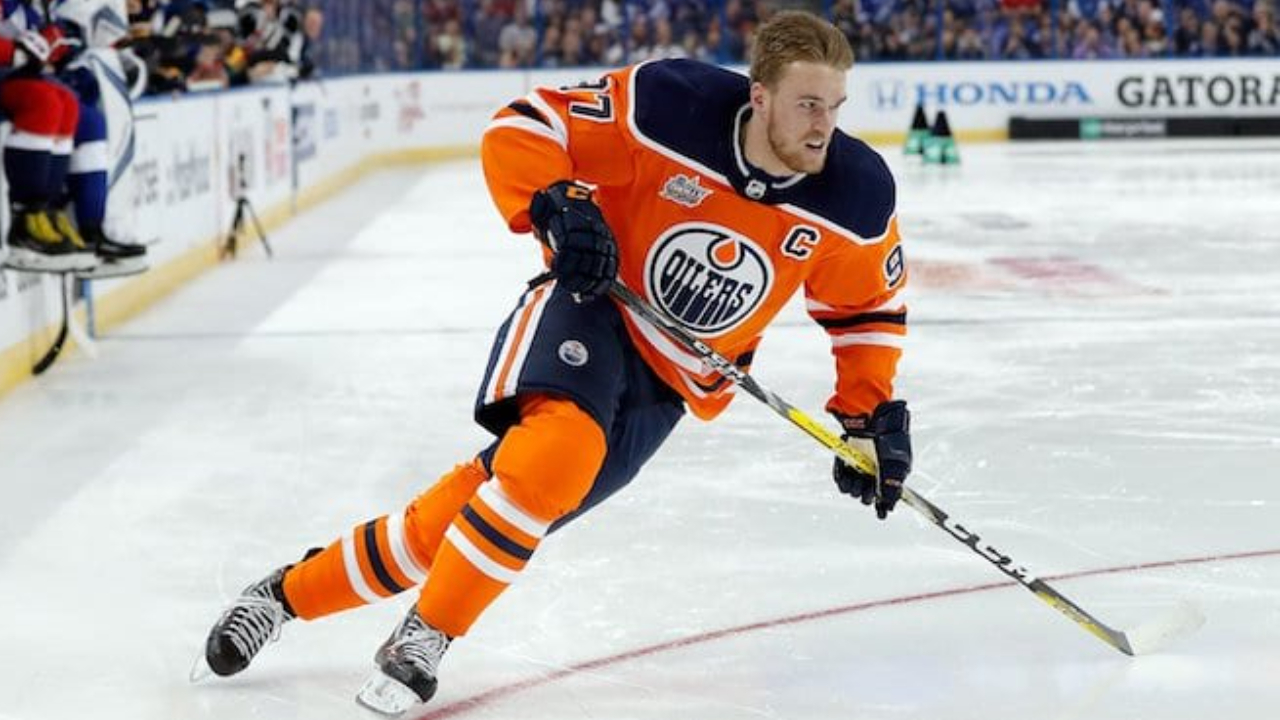
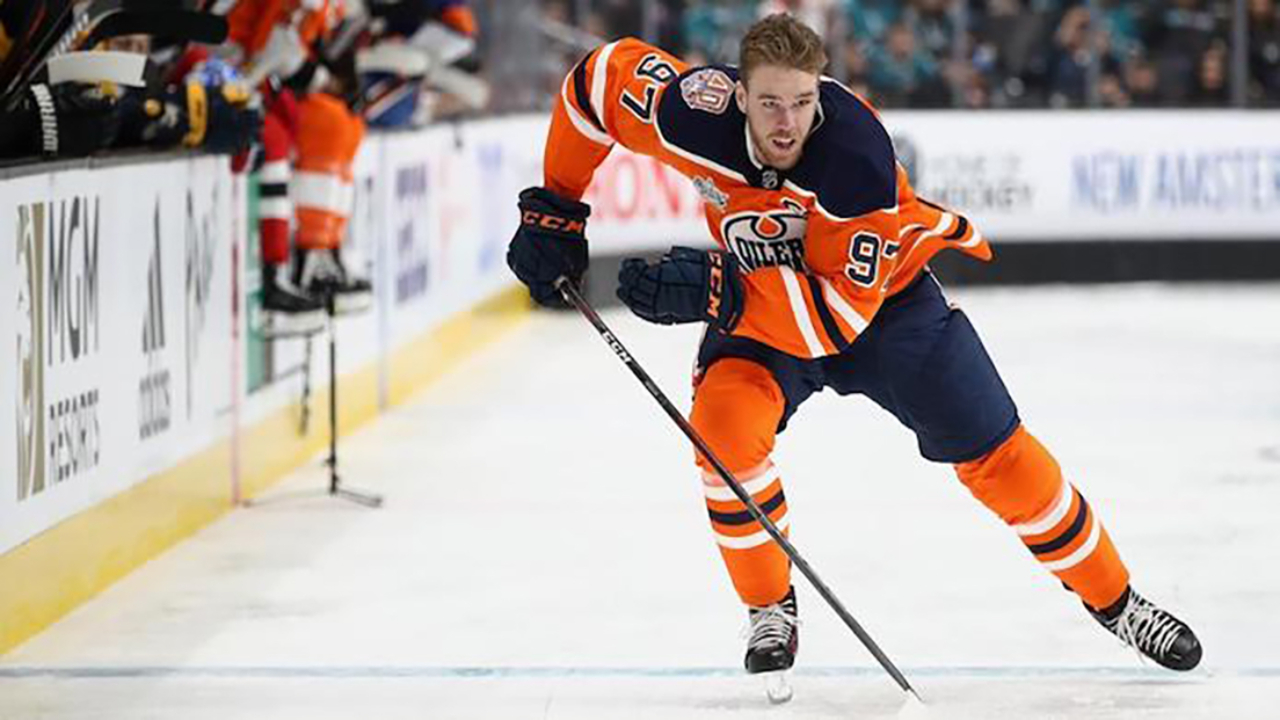
You can't skate like McDavid if you don't have the same motor profile. Filip Forsberg and Connor McDavid are different skaters because they have different motor preferences.
That's why you can't compare Filip Forsberg to Connor McDavid in terms of skating, for instance. He has different motor preferences. Their body positions and the frequency and direction in which their joints move when skating are completely different. Picture a skating coach trying to teach Filip Forsberg to skate like Connor McDavid. But that's exactly what we see all the time in hockey. This is something that everyone experiences, even in the NHL. A lot of players have different profiles, but they're all trained the same way.
It's time to finally recognize and take advantage of these differences. The goal is to understand how each profile works, not to make everyone the same.
I've noticed that even the best skating coaches tend to teach using a single model and coach based on their own preferences or what they've learned. If you're lucky, your skating coach might have the same profile as you.
Don't get me wrong, all skating coaches are right in what they teach, but this probably only applies to half of the players with the right motor skills. In the past, I also accidentally made players work against their natural preferences.
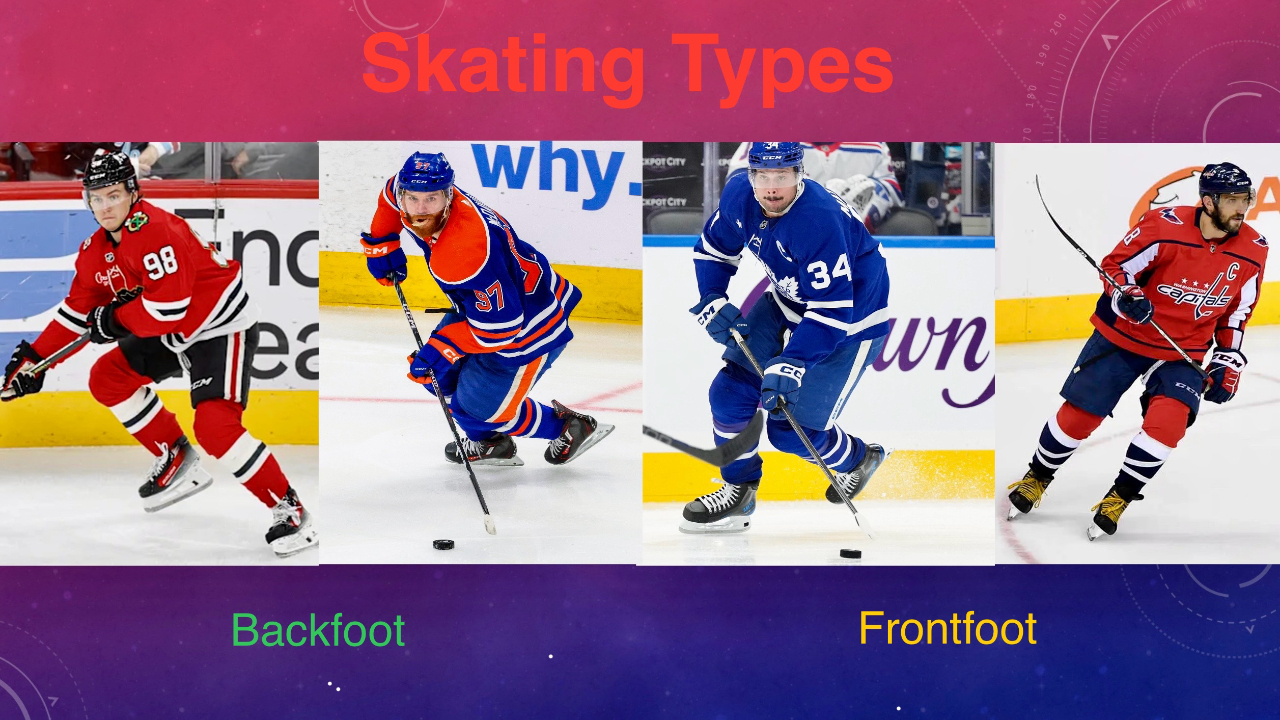
My work with ProKeyCoach, especially with Benoit Pont (the founder and guiding spirit of ProKeyCoach), has allowed us to create some structure around certain things, like frontfoot or backfoot players (like Nathan MacKinnon and Connor Bedard), horizontal or vertical (like Sidney Crosby and Quinn Hughes), and low or high frequency (like Dylan Larkin or Connor McDavid). These days, you can't just train everyone in skating with a "one size fits all" approach. All the old studies on skating are outdated. At best, they show which movement patterns happen most often.
We from ProKeyCoach, focus on these three motor preferences, that we believe have the greatest and most measurable influence on skating. So, based on this info, we've figured out eight different skating types.
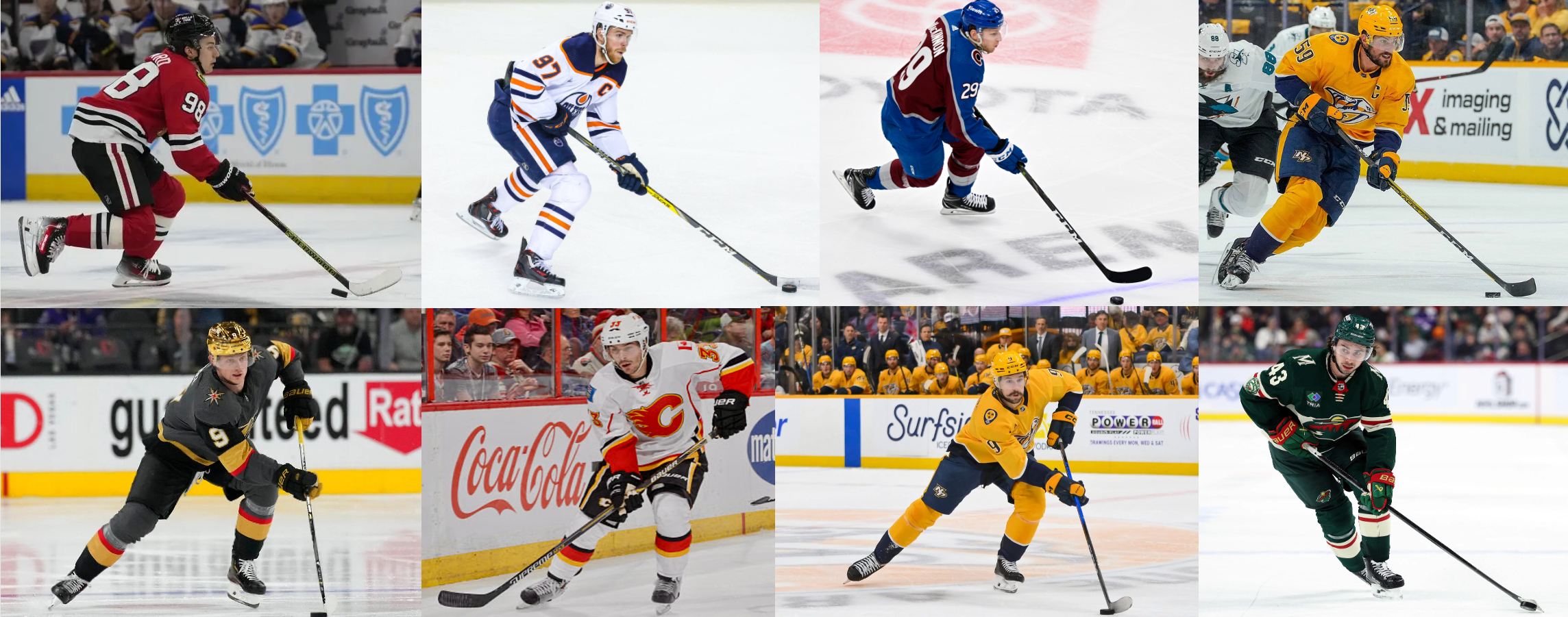
Frontfoot players favor the front and outer part of the foot and have a posture that's more "airy." Backfoot (midfoot) players, on the other hand, prefer a more balanced feel on the middle and inner foot area.
Horizontal players tend to push off wide and open, while vertical players stay tight and compact.
Also, everyone has their own rhythm. High-frequency players generate speed with quick, frequent steps, while low-frequency players do it with long, powerful strides.
So, the message is pretty straightforward: there are different ways to do things and move in skating. This realization alone is a great insight for learning, training, and teaching skating movement.
"Listen to your body and not to anybody"