SHAPING THE GAME: Skill, Movement, and Adaptation (4:7)
By Coach Barry Jones IIHF Level 3 High Performance | USA Hockey Level 3 Performance
- Part 1 - SHAPING THE GAME: Play the game you want to play
- Part 2 - SHAPING THE GAME: Task Design
- Part 3 - SHAPING THE GAME: Psychological Structure
- Part 4 - SHAPING THE GAME: Skill, Movement, and Adaptation
- Part 5 - SHAPING THE GAME: Representative Learning
- Part 6 - SHAPING THE GAME: Sampling and Exploration
- Part 7 - SHAPING THE GAME: Adaptation Over Time
Skill, Movement, and Adaptation: What Emerges Beneath the Iceberg
Skill Does Not Sit at the Surface
In non-linear coaching, skill is not something added to the athlete from the outside.
Athletes do not experience skill as technique instructions. They experience it as the ability to act effectively under changing conditions.
Skill lives below the waterline, emerging from repeated interaction with the environment, not from rehearsed movement patterns.
Technique Is an Outcome, Not a Starting Point
Traditional coaching often treats technique as the foundation of performance.
In reality, technique is the visible expression of adaptation.
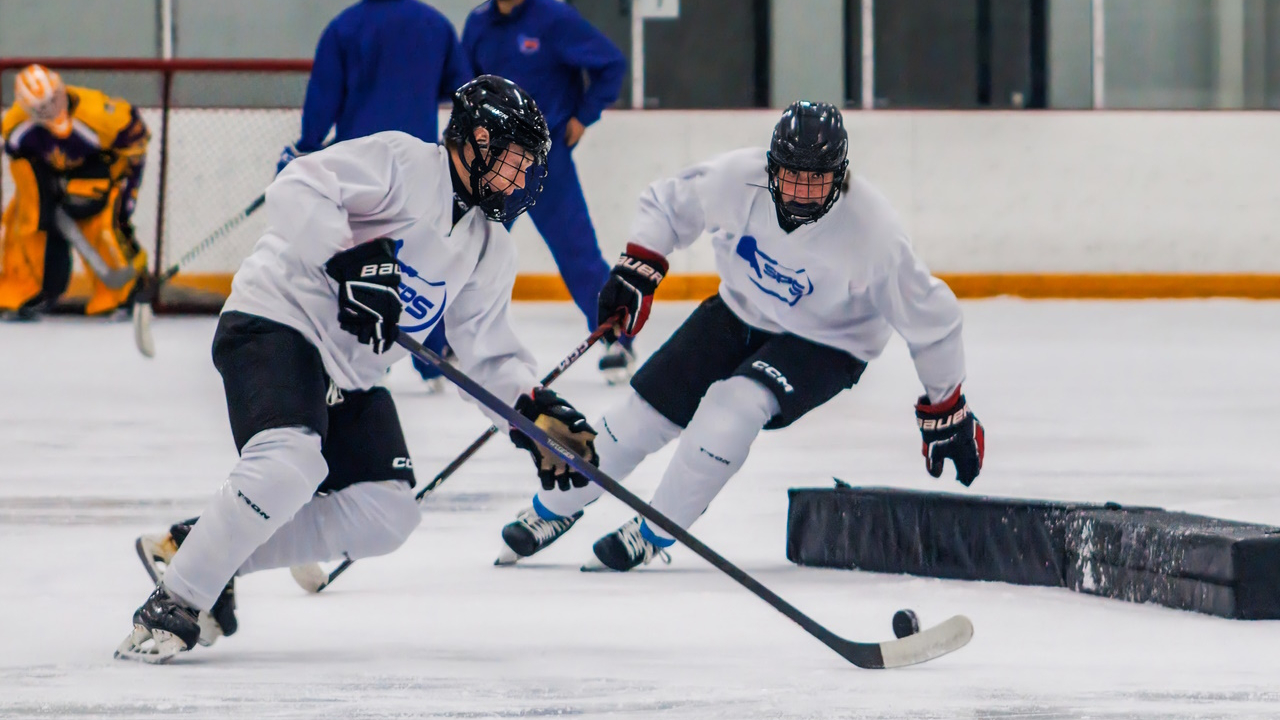
Movement patterns stabilise because they work within a given environment. When the environment changes, movement adapts.
Coaches do not install technique. They design environments where certain techniques become functional, efficient, and reliable.
Movement Emerges From Information
Athletes do not move in isolation. They move in response to information.
Time, space, opponent behaviour, task constraints, and emotional state all influence movement.
When perception and action remain coupled, movement stays adaptable. When movement is isolated from information, it becomes fragile.
Below the surface, the coach protects this coupling.
Adaptation Is the Goal, Not Consistency
Consistency is often misunderstood.
In complex sports, consistency does not mean repeating the same movement. It means achieving the same outcome across different situations.
Well-designed environments force athletes to adjust timing, alter angles, vary speed, adapt posture, and recalibrate decisions.
From the surface, this can look messy. Below the surface, learning is stabilising.
When Skill Is Over-Prescribed, Adaptation Collapses
When coaches attempt to control movement too tightly, athletes lose their ability to adapt.
Decision-making slows. Creativity disappears. Performance becomes context-dependent.
This is not because athletes lack skill. It is because the environment has removed the need to adapt.
Good Environments Grow Robust Skill
Robust skill is not perfect. It is resilient.
Environments that support robust skill contain variability, maintain representative information, allow error without punishment, and invite multiple solutions.
Above the surface, athletes appear fluid and capable. Below the surface, the environment has shaped movement that survives pressure.
Linking Forward
Skill and movement do not exist independently.
They are shaped by psychological structure, representative information, and opportunities to sample and explore.
These layers complete the iceberg.
Author Bio: Barry Jones is an IIHF Level 3 High Performance Coach and USA Hockey Level 3 Performance Coach. His work blends ecological dynamics, nonlinear design, and athlete-centred leadership to build adaptive teams that thrive in uncertainty.