Sometimes what the coach says and what the player hears are two different things.
That’s not just for practices when you’re drawing up a drill on the board on a Tuesday in November and attention spans are waning.
No, sometimes an athlete might hear the words clearly, but their understanding of the concept differs from the intention.
Go to the Net?
We’ve all said it a thousand times. This is where goals are scored in hockey. That doesn’t mean the player who scores is necessarily bringing the puck there, though. The initial shot could come from anywhere, but it’s the rebounds and deflections that finish the job.
So if a player goes to the net but they don’t stay there, these goals don’t happen.
STOP at the Net
When a hockey player is struggling to score goals or put up points of any kind, usually the first instinct is to fix something with their shot or their puckhandling. This assumes that they’re getting lots of chances. But where do the chances come from? If we’re coaching a team that’s consistently being outshot, we should work on our breakouts, our zone entries, our cycle game, and so on, just to put players in a position to score.
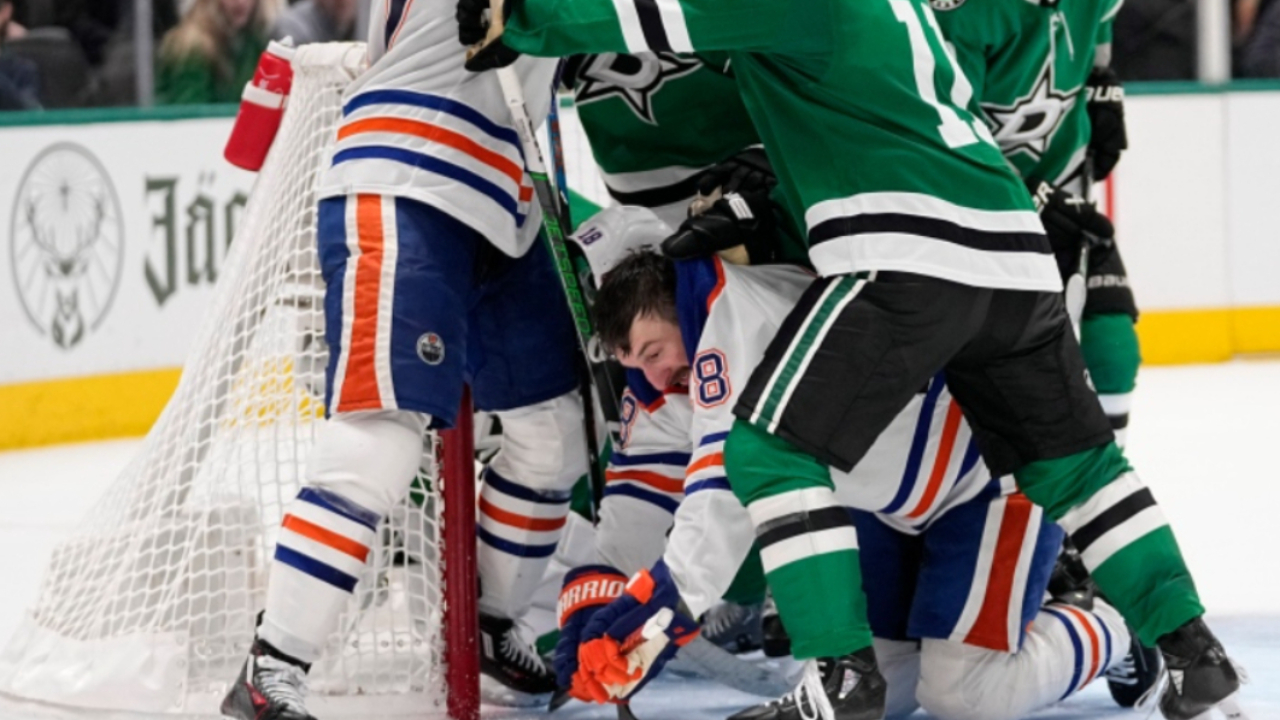
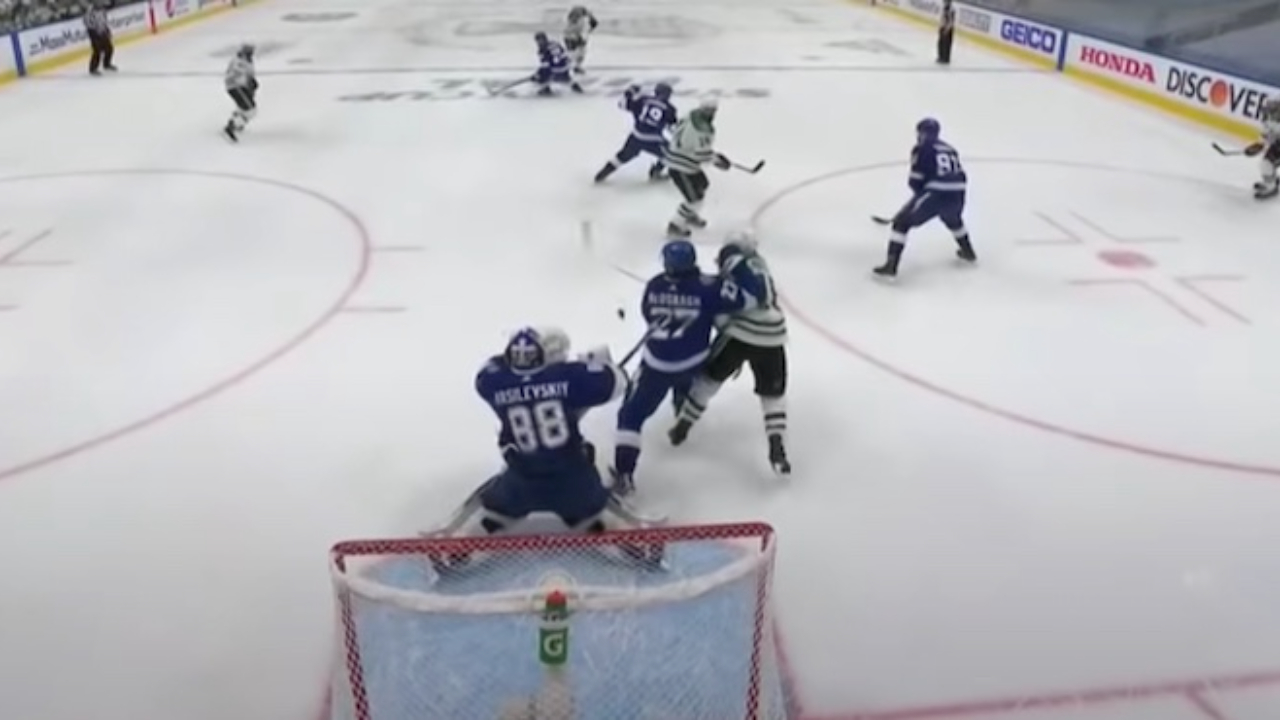
And there is no better position to score than the front of the net. But the players have to STOP there. Don’t cruise through the crease, don’t wave at the net on your way by. Get there and stop.
There are more examples of this concept in the 2026 Stanley Cup Playoffs, but the clips included here are the most dramatic of the bunch, and a powerful reminder to share with your players. There are no powerplay goals here either, just even strength 5on5.
Watch these clips and how emphatically the goal scorers stop once they arrive.
Want to score goals? Stop at the net.