
The biggest misconception about “playing fast” is that it’s about skating speed. It’s not. Fast teams don’t win because they move their feet quicker, they win because they move the puck quicker. And puck speed comes from one thing: players knowing what they’re doing before the puck arrives.
This is where pre-touch passing, team structure, and automatic support routes (“autos”) transform how a group moves the ice. When players know where their support options are without needing to look, they can act without hesitation, and the game accelerates instantly. The five clips below, pulled from Hudl Instat, show exactly how this looks in real game situations.
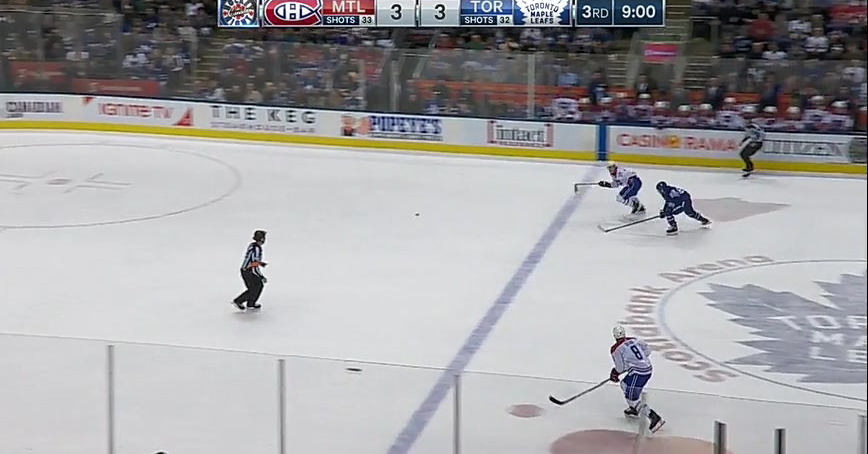
1. 50/50 Puck Races: Knowing the Play Before the Win
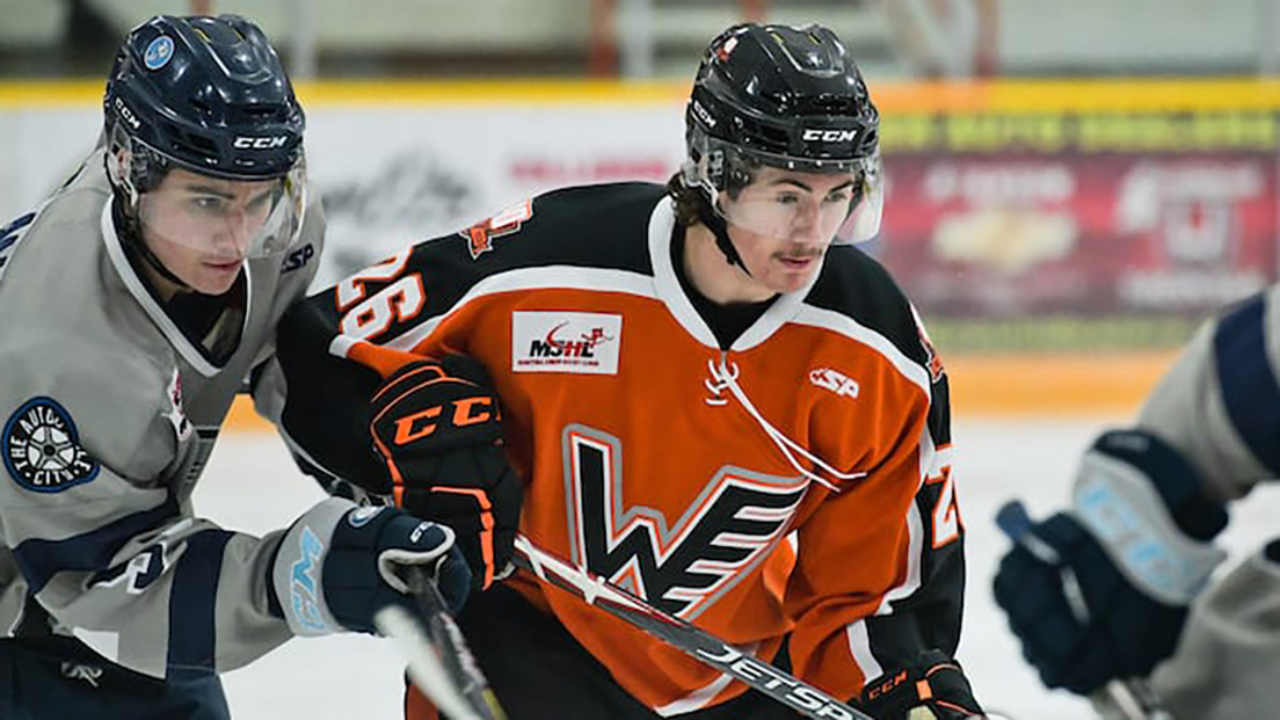
A 50/50 puck isn’t just a battle, it’s a decision. The moment a player knows the likely outcome, they should already know their next pass. Winning a race is useless if you freeze and let pressure arrive. In the clip, the forward recognizes his support early, touches the puck to space, and escapes pressure in one motion. That’s pre-touch awareness.
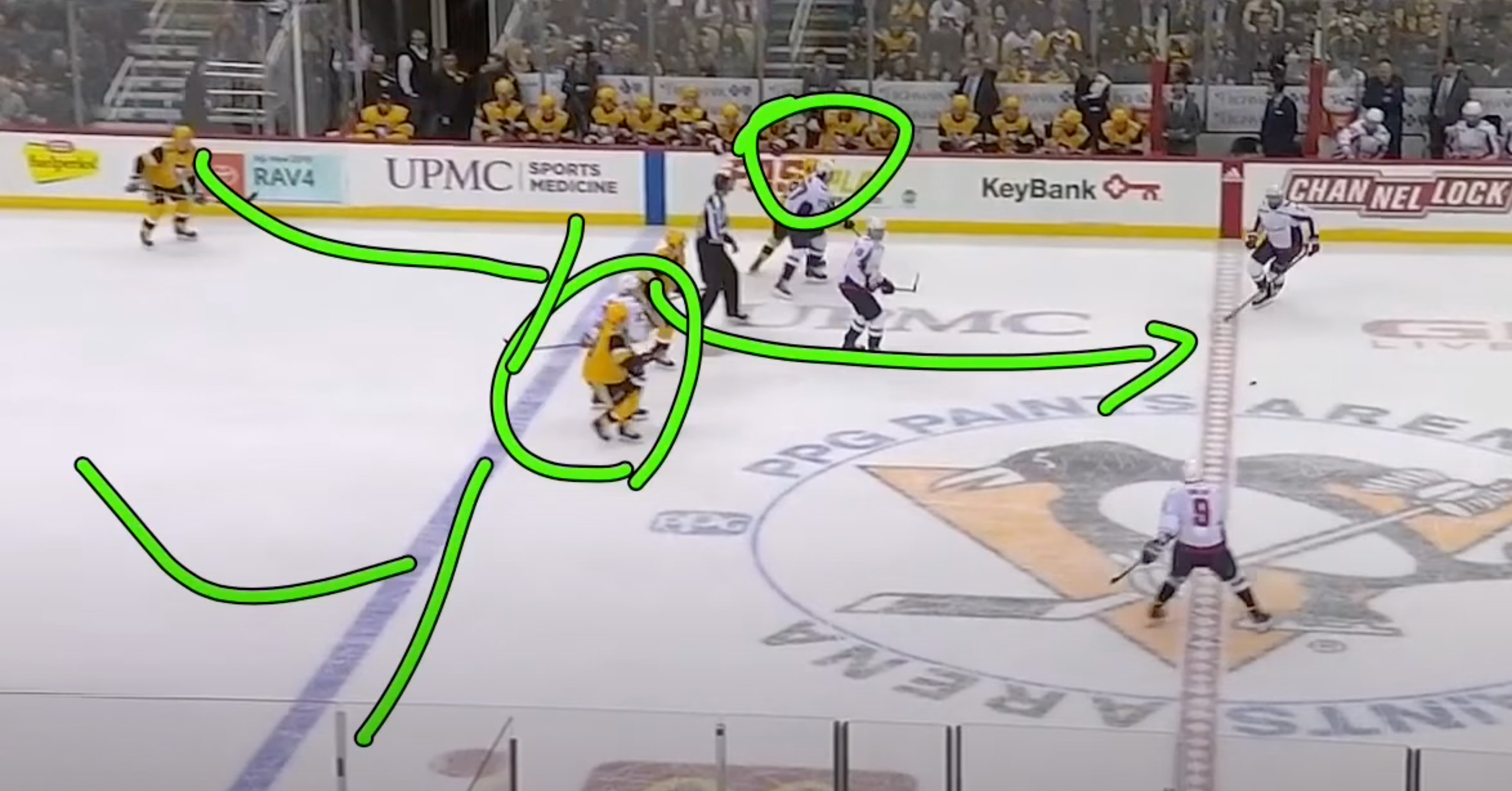
2. Creating Turnovers and Turning Them Into Offense
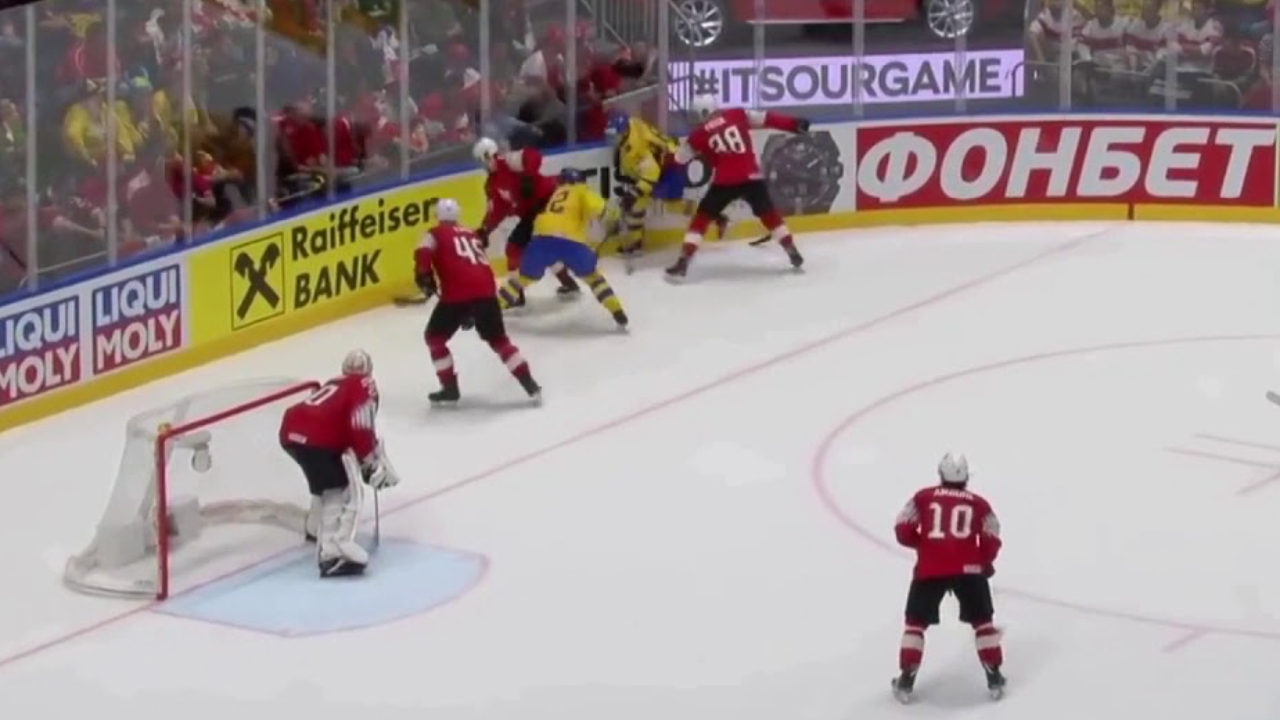
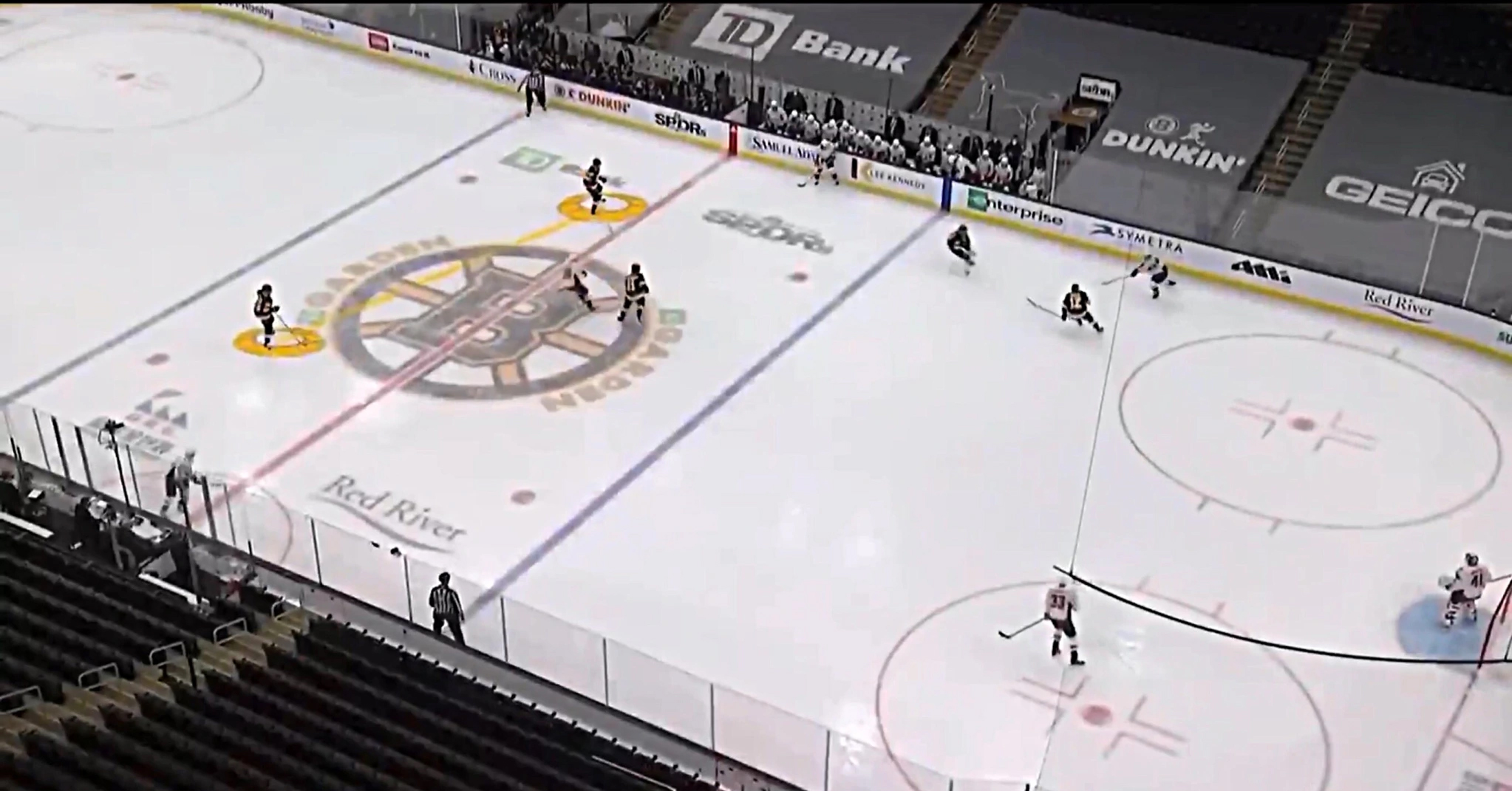
A turnover is only valuable if the team knows what comes next, the moment the puck is stripped, support arrives automatically. No guessing. No circling away. Just a simple pass leading to a scoring chance.
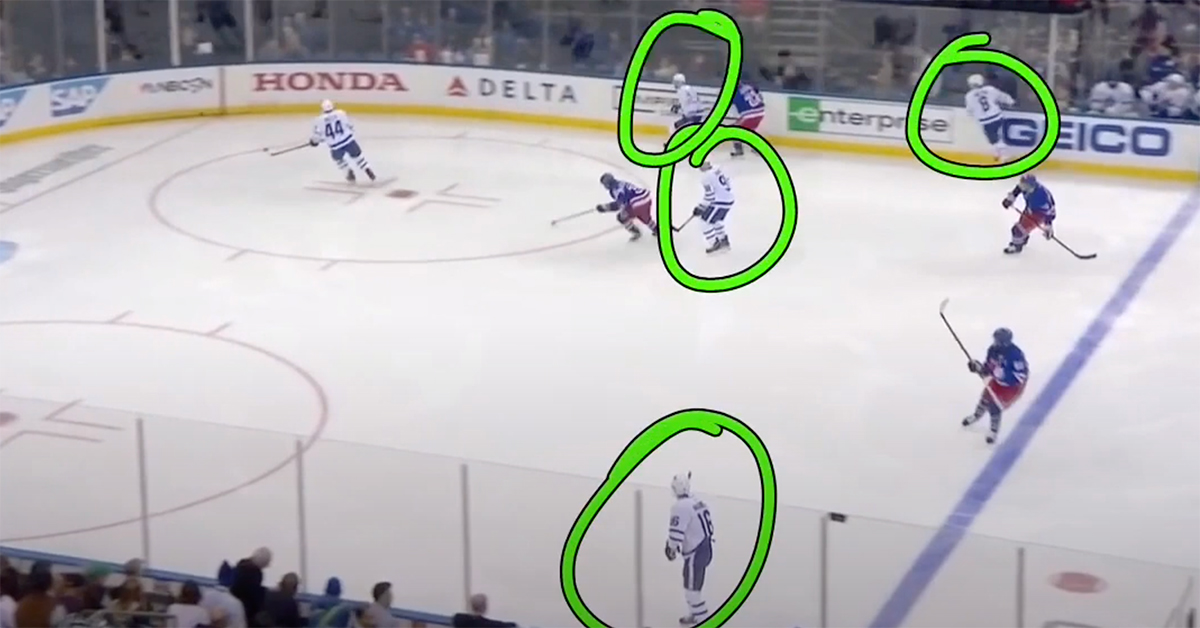
3. Neutral Zone Quick-Up Regroups
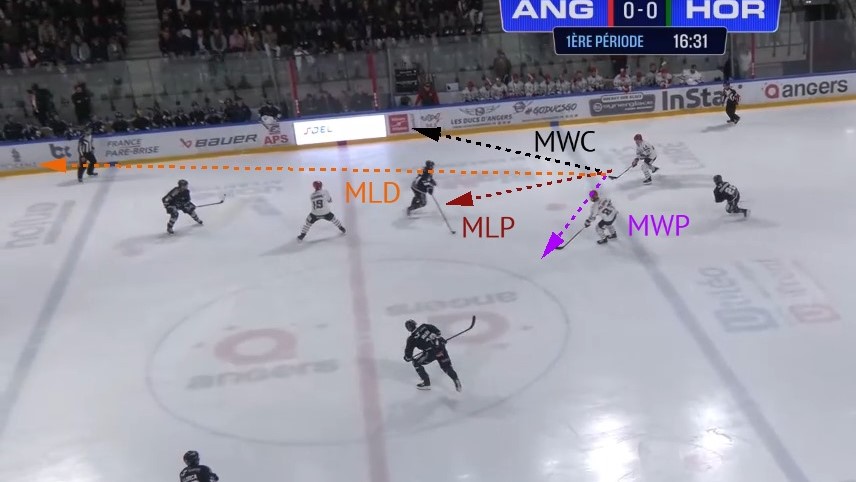
Speed teams don’t skate the puck north, they pass it north. A quick-up regroup is where pre-touch passing is at its best: the D receives the puck already knowing the next play and moves it in one motion. The forwards hit their autos, wall, middle, wide, and the puck moves through the neutral zone before the opponent can reset.
4. Rehearsed Releases in the Offensive Zone
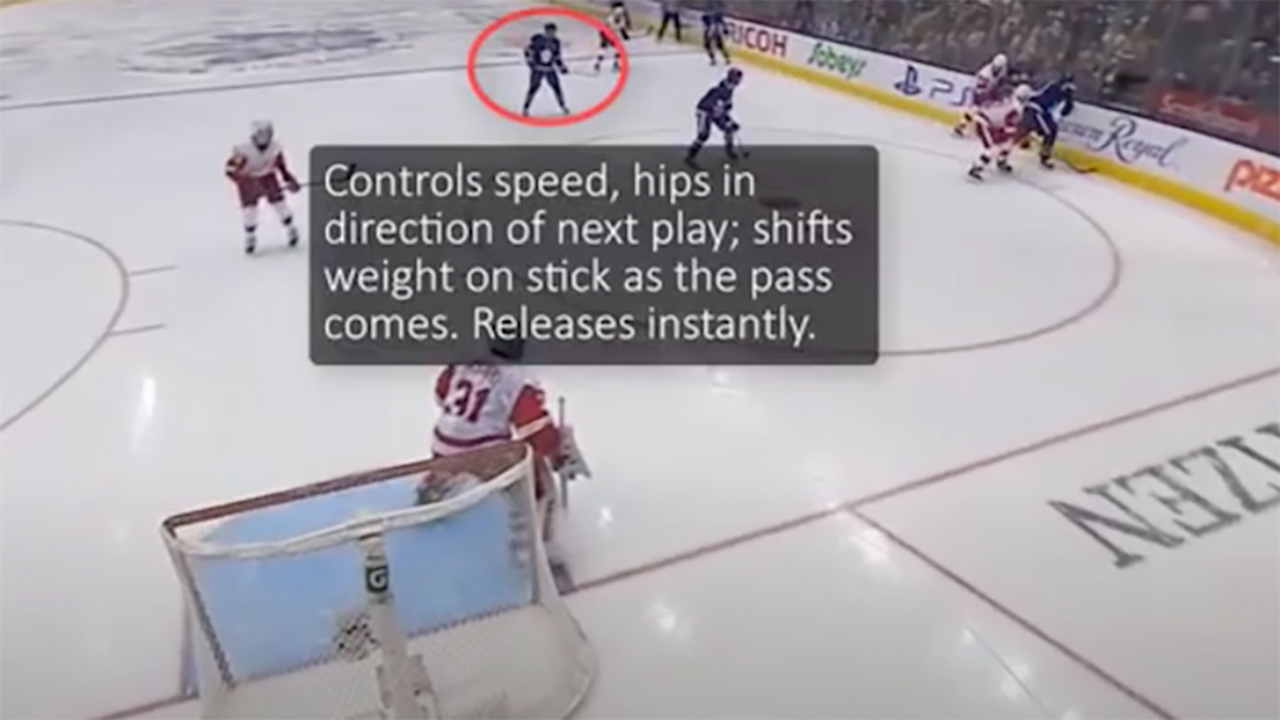
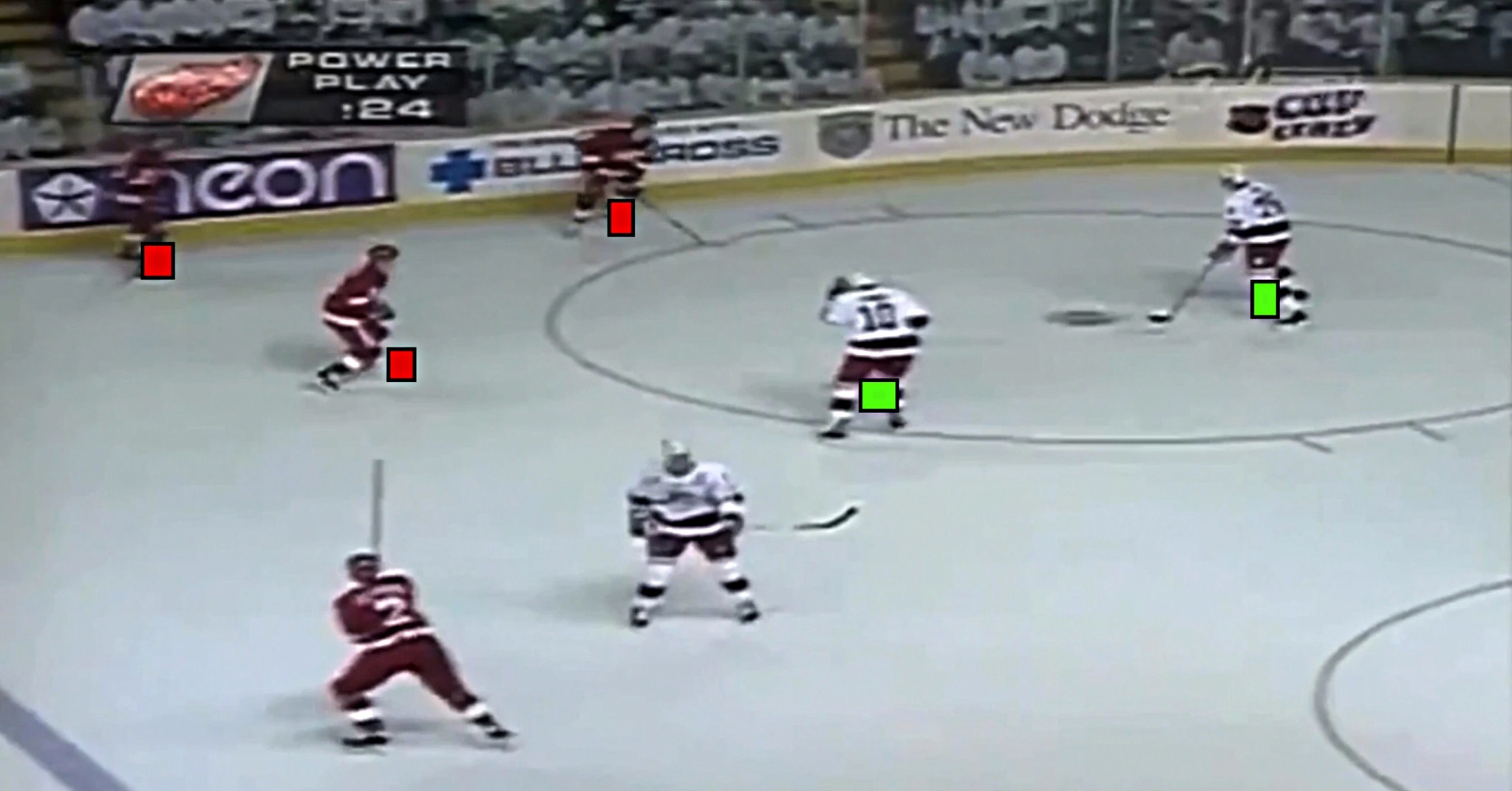
Offensive zone pressure only works if players know their outlets. Shown in the clip, the puck carrier uses a rehearsed release of a pre-planned, automatic pass option that moves the puck out of pressure and into a shooting lane. Skilled teams aren’t improvising chaos; they’re executing habits they’ve rehearsed.
5. D-Zone Coverage Into Breakout Routes
The fastest breakouts begin before the puck is even won. As soon as possession is likely, wingers and centers must already be shifting into their breakout routes. When a defender retrieves the puck under pressure, and the first pass is available because the forwards arrived early, not late.
Playing fast isn’t about skating harder, it’s about thinking earlier. Structure gives players predictable support, but it’s communication that brings that structure to life. When players talk, calling for pucks, identifying pressure, and announcing their routes, the puck carrier can make decisions before the pressure arrives.