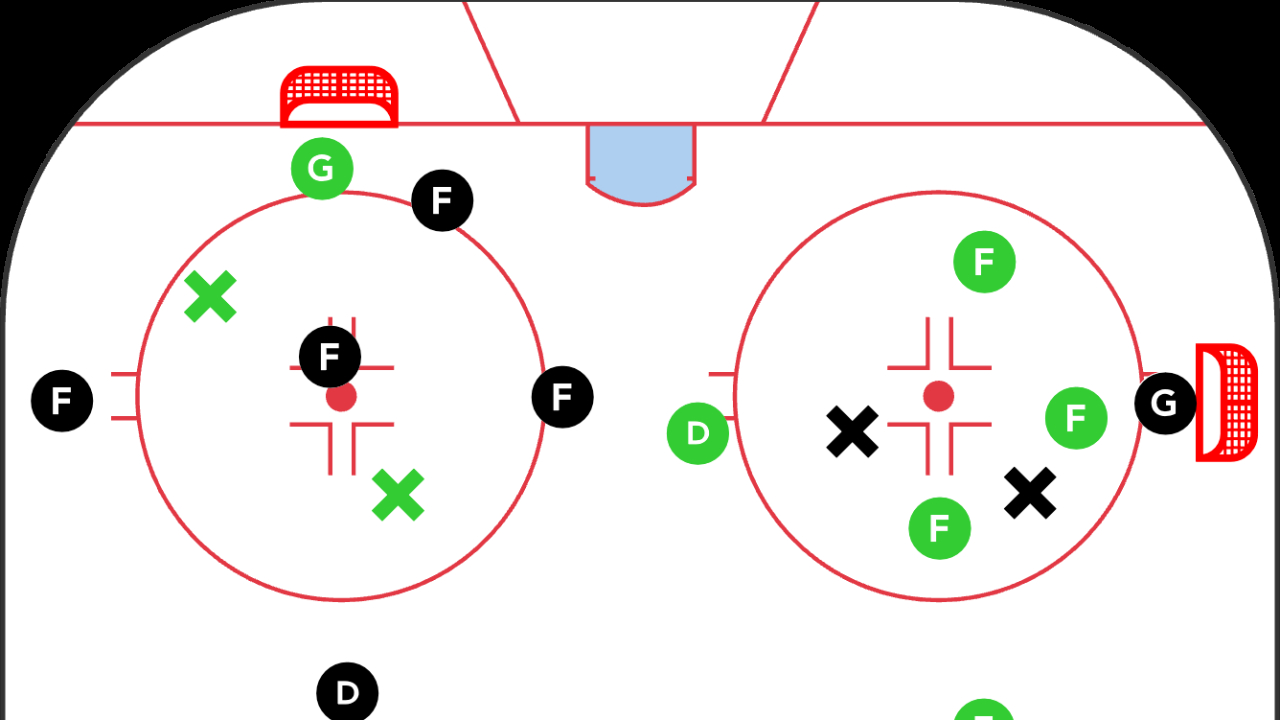
The normal focus areas of a powerplay are the in-zone setup and the breakout. Those are the big and fun questions to answer. What setup works best for your team?
- A 1-3-1 (with one-timer options or the downhill curl)
- 3 across the goal line with 2 up top
- Overload (on one side or another)
Most powerplays use a variation of one of the above. The breakout has some standard options as well.
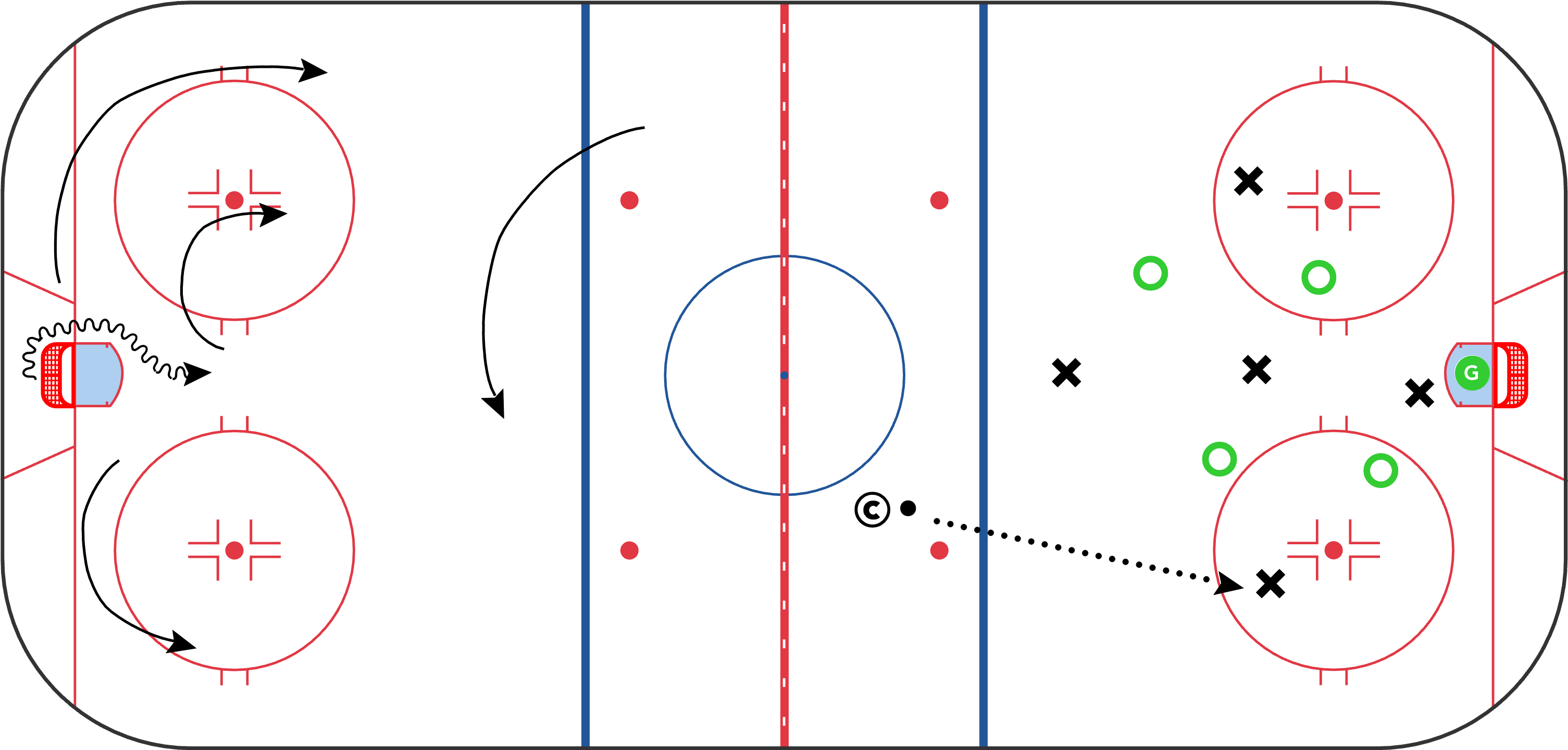
- A drop-pass slingshot (with one or two players back to pick up the pass)
- A single or double swing from behind the net
- 5 back
It's important to establish and practice which method you're using in both categories because these are the game states that occupy the most time on the powerplay.
But they're not necessarily the most crucial component of the man advantage. No matter what your breakout or in-zone setup is, if you can't enter the zone or you don't have a recovery plan, then you won't get to spend a lot of time set up and cranking out chances.
Working from the start of a powerplay and back, here are the 5 key components of a powerplay. We're going to look deeper at number 5: zone entries.
- O-zone faceoff wins
- In-zone setup
- Neutral zone regroup
- Breakout
- Zone entries
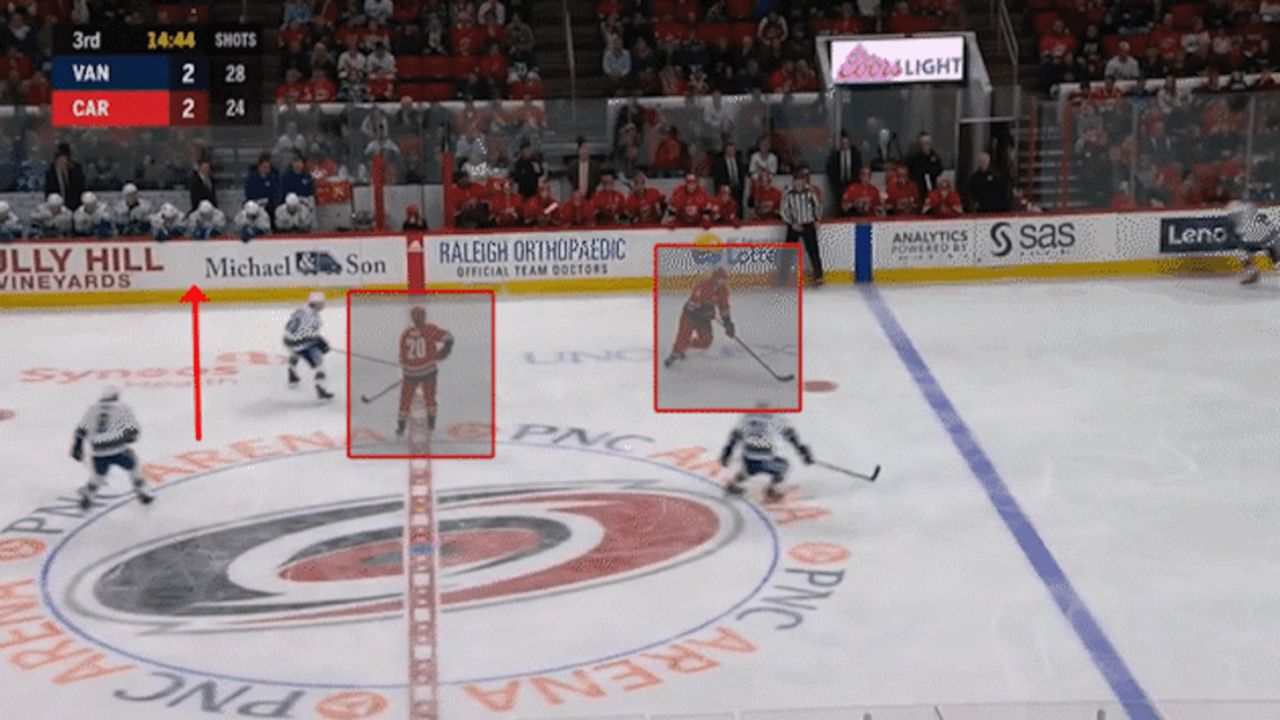
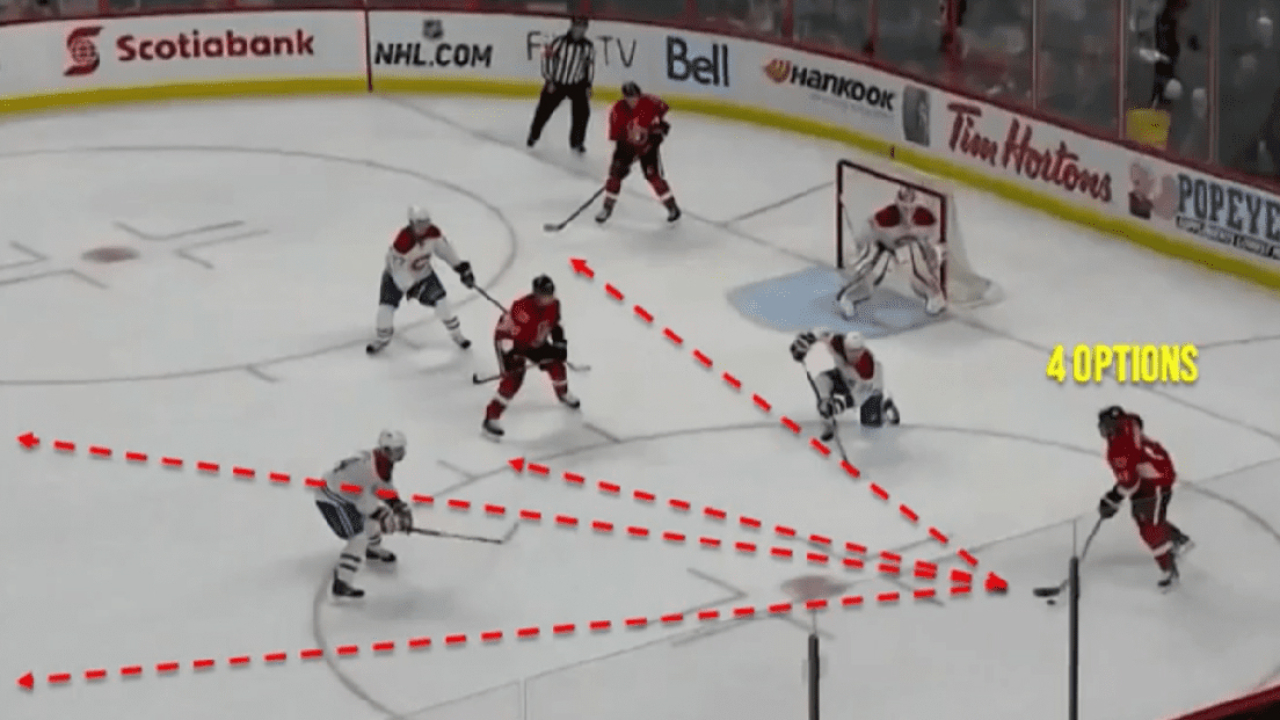
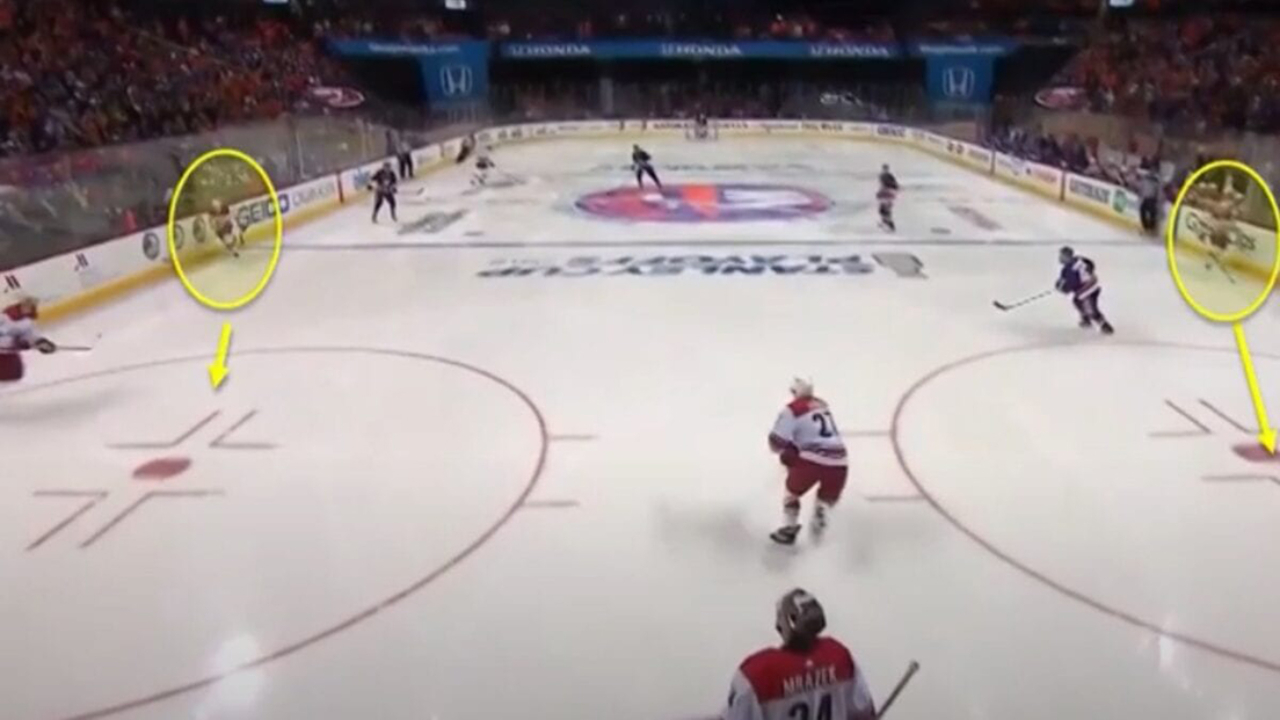
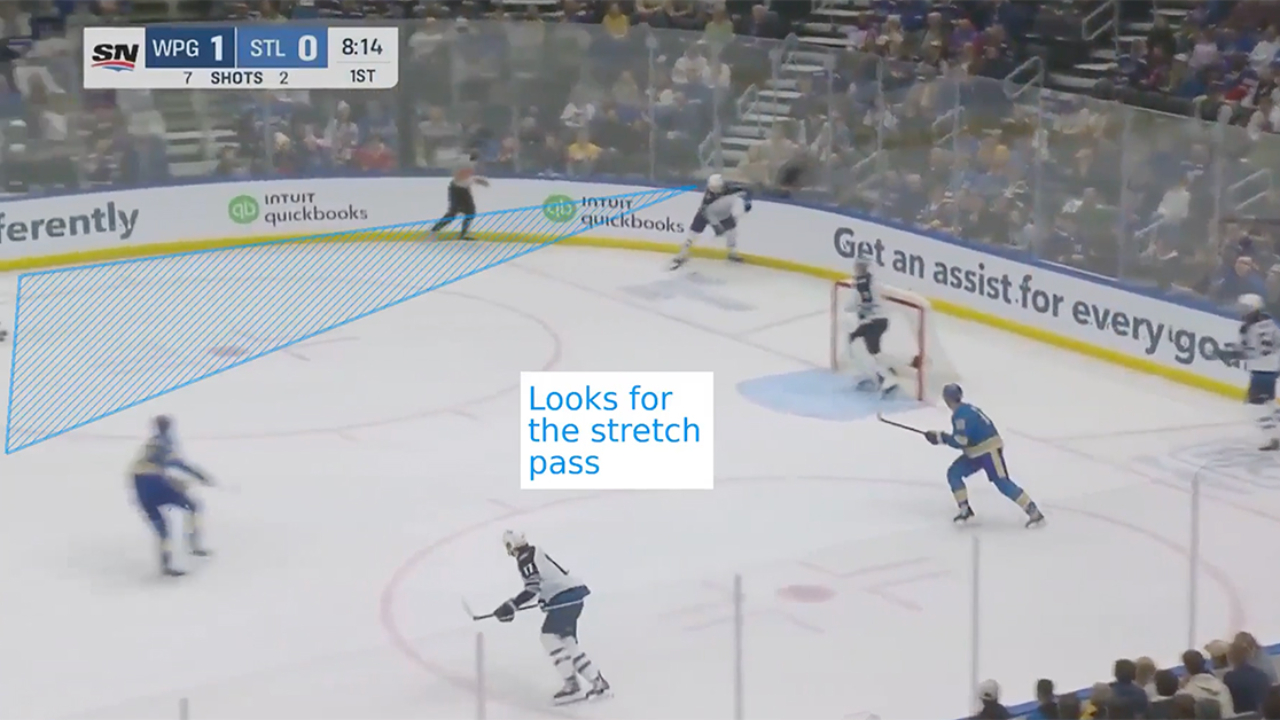
For the most part, teams should be entering the zone with speed and connected. If two players can skate right down main street and score on the breakaway, then great, congratulations. The Carolina Hurricanes have drilled penalty-kill blue-line protection down into a science, so the clips below require the best zone-entry scheme possible. When the puck crosses the blue line, the puck carrier always has options. Watch for the players posted up at the blue line. They might not necessarily be moving, but because of the speed with which the puck carrier enters the zone, the killers have to respect that threat, which leaves these outlets open.
After the puck is in the zone and there's a little bit of time and space, then the powerplay can start moving and looking for scoring chances.
But it doesn't happen without a clear entry plan. And then of course you need a plan to get into the setup. All these concepts are linked.
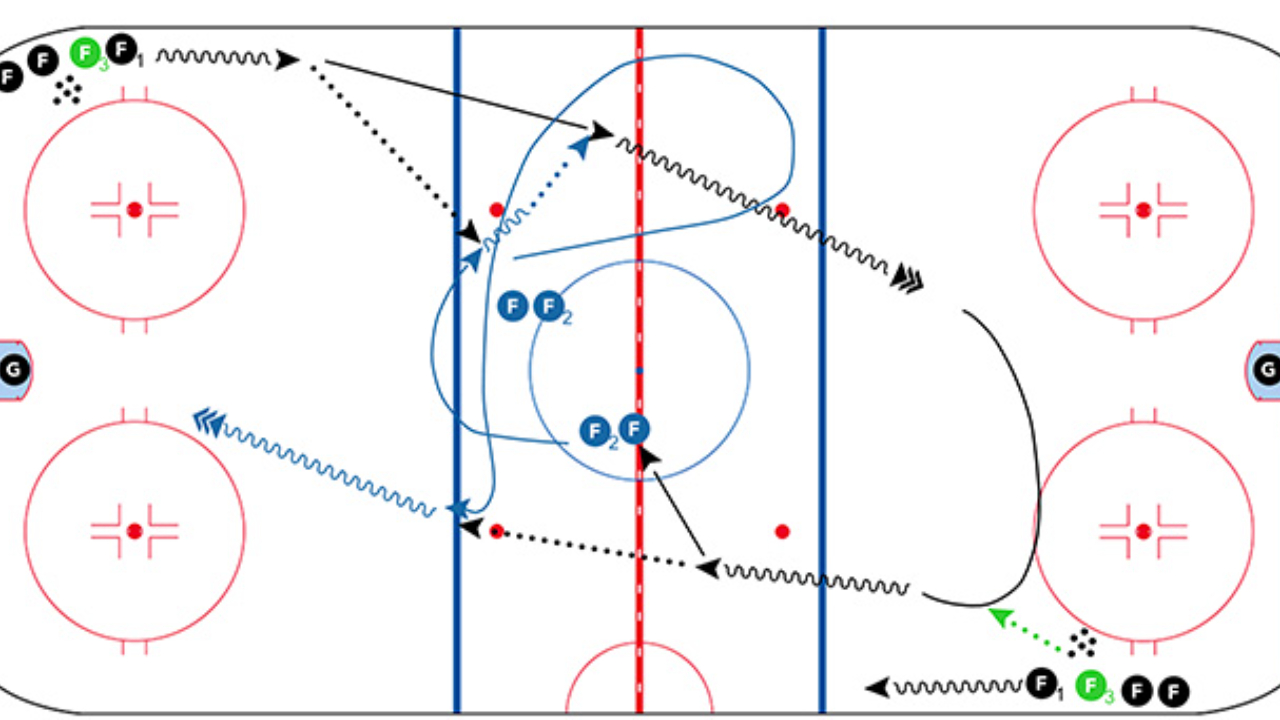
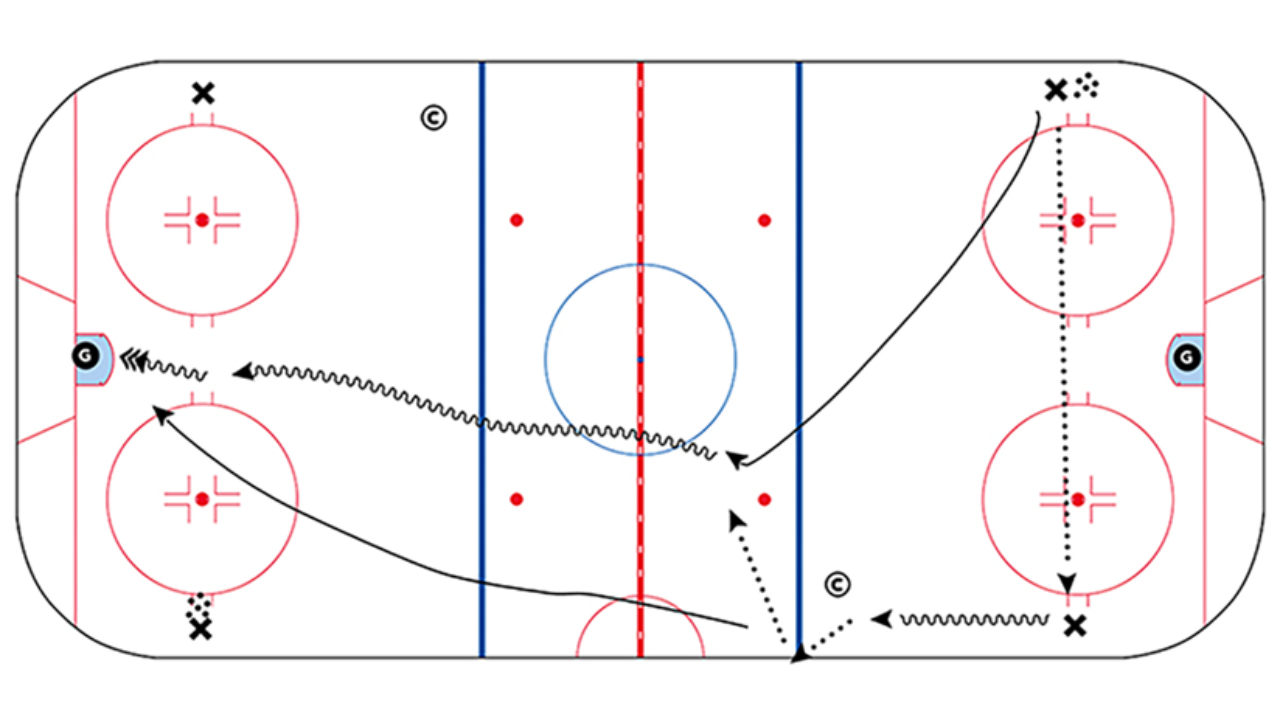
I like to practice the entries before anything else. No matter what the breakout looks like, you're going to end up in these spots on the blue line, usually 5 across, and the players need to understand their options and how to get into the right spots. It takes some time, but everything works easier if you can focus on this brief intersection.
Steal these clips and keep an eye out for more examples you can use with your team.