Power plays are arguably the most rapidly evolving game state in hockey. Thanks to the incredible skill of modern players, advancements in analytics, and the tireless work of coaches, teams are more efficient on the man advantage today than at any other point in NHL history.
As a veteran Assistant Coach with the Boston Bruins, Steve Spott has been studying power plays for years to stay at the forefront of the latest tactics and strategies to help build an elite unit.
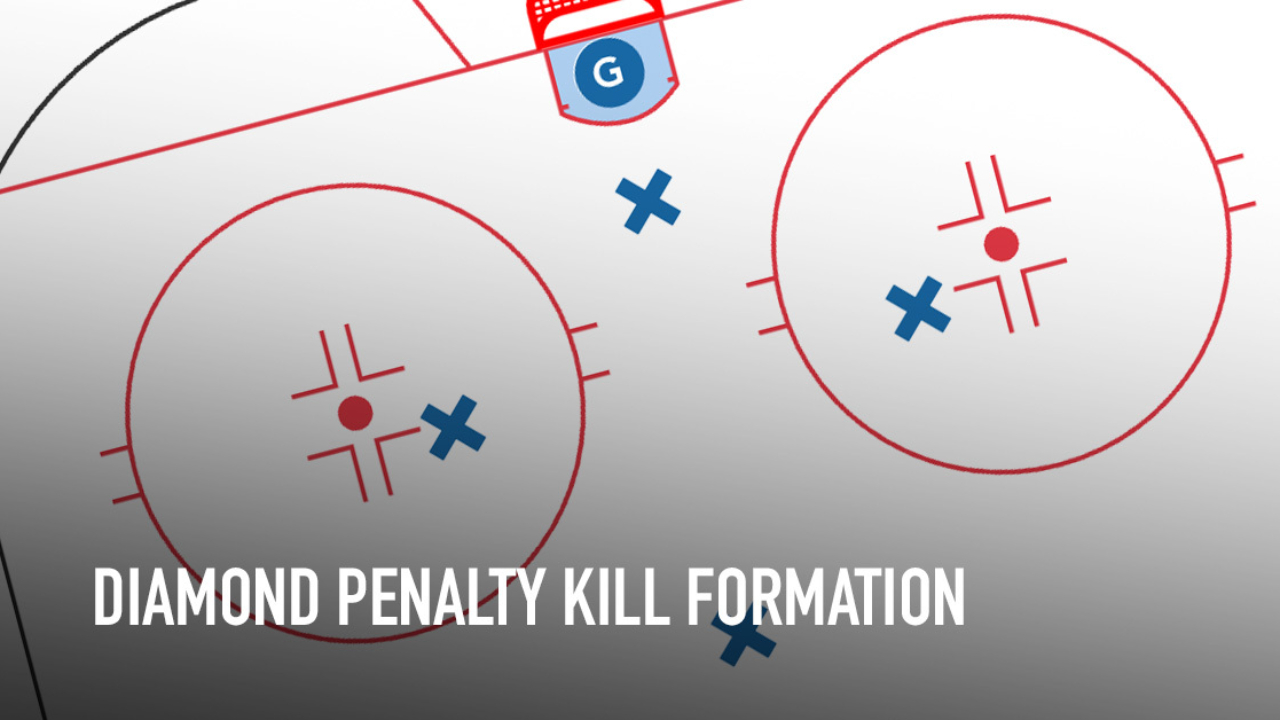
“The diamond penalty kill is something that’s come into the NHL. So now, as coaches on the power play, it’s trying to find ways to exploit that,” said Spott. “That’s the fun for us. It becomes a chess match, us against the other team’s penalty kill coach.”
NHL penalty kills are smarter and more aggressive than ever. Creating power plays that can exploit them is no easy task. For Spott, the strategy has shifted towards developing players’ specific skills within their roles.
“The days of the five-on-four, five-on-three, four-on-three at the end of practice — that’s still in play. But what’s really in play now is the specific skills needed to stay on a power play in the National Hockey League,” he said.
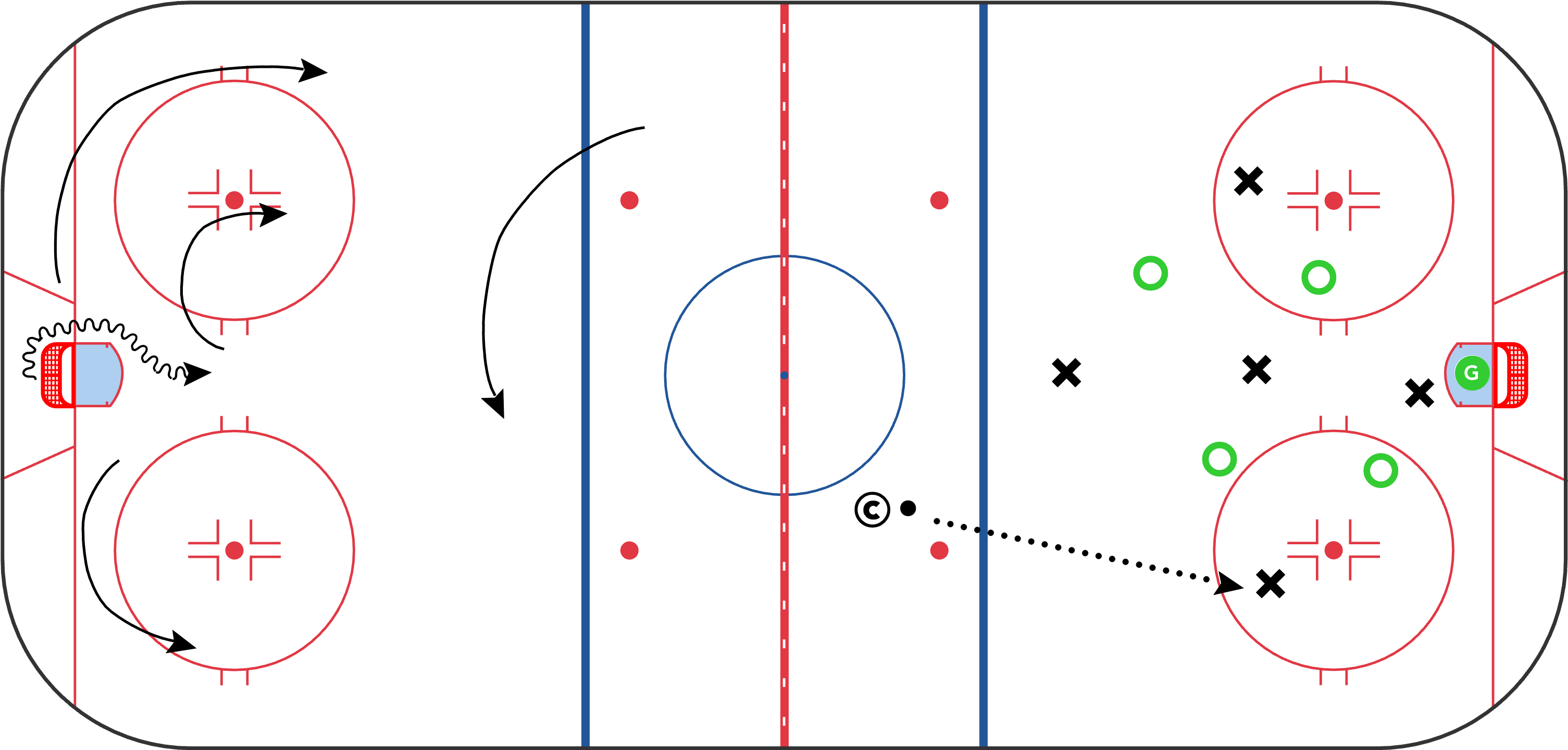
The first position he discussed was the quarterback. Modern power-play defencemen, he believes, need to be exceptional skaters. The drop pass has become such a staple of power-play entries that penalty kills are anticipating it. The best power play quarterbacks can time their drops and move up the ice quickly to be a threat on the entry.
Once in the offensive zone, the quarterback needs to create deception and handle pressure. Spott believes some of that decision-making comes naturally.
“As good of coaches as we all are in this room, some of that we cannot teach. Some players just have that,” he said.
One area that’s undergone a huge evolution in the power play is the left and right flank positions. The days of standing in one spot and waiting for a one-timer are over, according to Spott. Shooting one-timers is still important, but he believes the flankers need to move. And they need to use deception to move penalty killers.
Since joining the Bruins in 2025, Spott has had the chance to work with one of the best flankers in the league: David Pastrnak. As a lethal shooting threat, he previously spent most of his power plays on his one-timer side. But that all changed when Spott arrived.
“Every team kind of knows David as the trigger man, as the one-time option… so when we met with him, he was more than willing and obviously more than capable of working on the downhill side, being a shot threat, but then also making that seam pass,” said Spott.
A combination of elite shooting and playmaking can make for a versatile flanker, and one who can excel on either side.
While flankers tend to spend more time with the puck than the other forwards, Spott believes the most important man on the power play is the player positioned between the flankers: the “man in the middle,” or “bumper player.”
“If you have a smart player and he or she can assess, has a high IQ, that’s the most important position on your power play, especially with the diamond penalty kills,” he said.
Being a good bumper player requires reading situations and moving in and out of space to make oneself available. It’s “the most important position that nobody wants to play,” according to Spott.
The bumper player is often overlooked, but perhaps no position on the power play is less glamorous than the net-front player. Evel still Spott described the growing importance of having skill at that position, too.
“It’s not just the six-foot-five big tough guy standing screening the goalie. That player now… has to be able to make plays low.”
Deflections and screens have always been a staple of the net-front player, but as Spott points out, power plays are using these players for much more. He used James Van Riemsdyk as an example of a great netfront man, citing his understanding of timing on moving screens and his ability to make quick, deceptive passes to the bumper.
Every position on the power play is becoming more specialized, requiring more skills. So, what does it all mean for coaches? Spott emphasized making sure that players understand which skills are necessary. But most importantly, he said coaches need to find time to work on these specific skills.
“My challenge to the assistant coaches in the room… [is to] find the necessary time to work on these individual skills on the power play. That’s where the game’s going.”