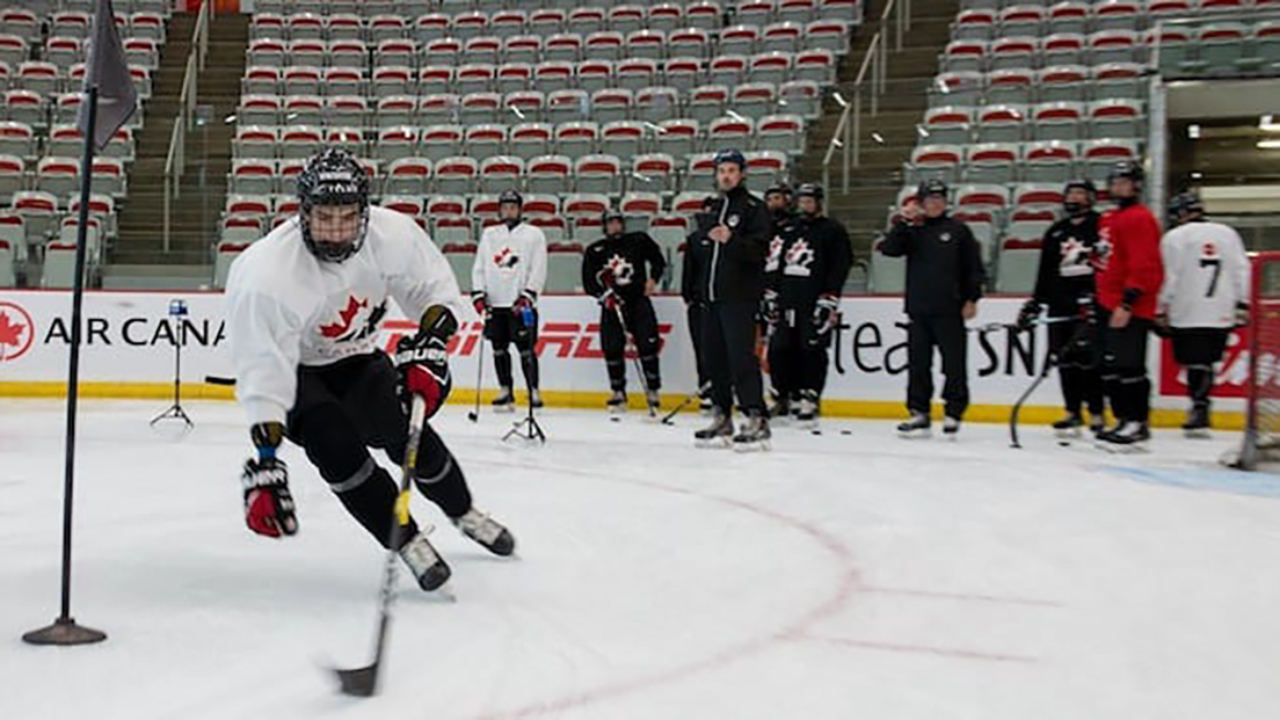
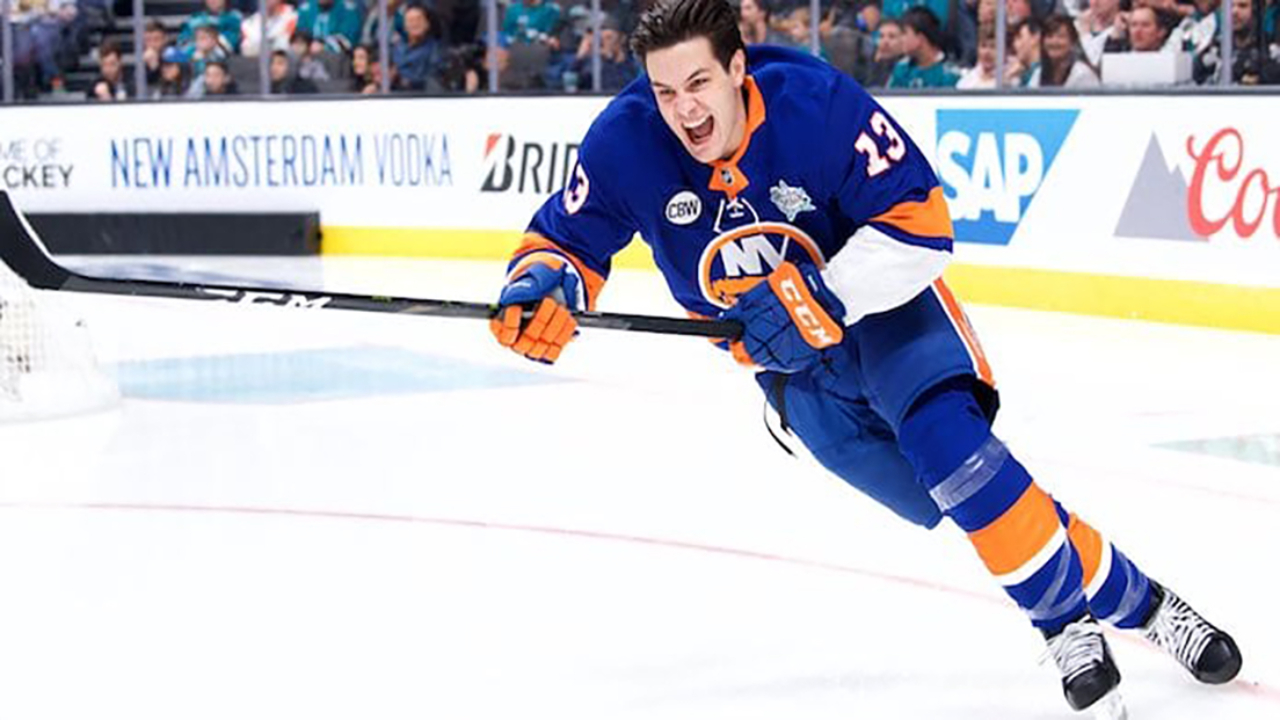
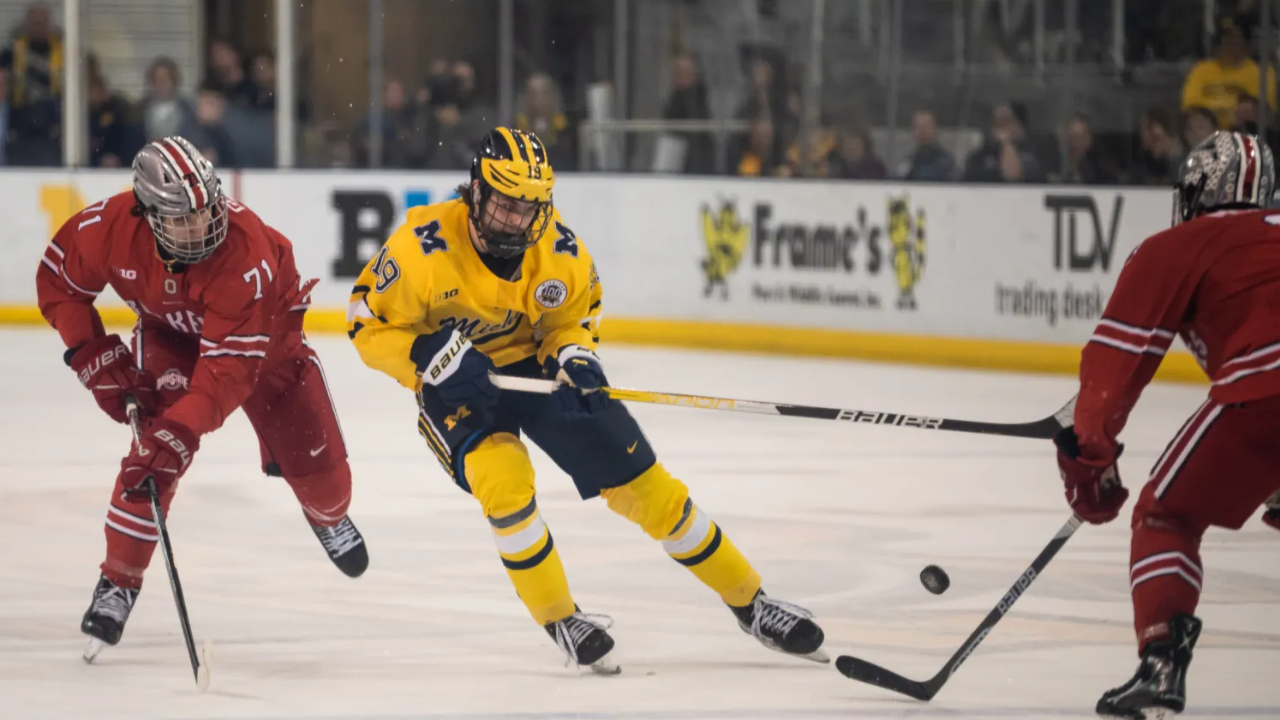
When we look at the game through a coaching lens, two fundamental on‑ice situations deserve our attention: offensive skating and defensive skating. While both rely on the same underlying physical qualities—balance, posture, stability, edge control, coordination, and efficient stride mechanics—their tactical expression could not be more different.
Skating well in both phases of play requires a strong foundation. Players must first demonstrate basic stride and glide proficiency, as well as the ability to change speed and direction. Only then can we effectively layer on the more advanced, situational demands of tactical skating. This is where specificity becomes critical: players must rehearse the situations they’ll actually face. Location cues, constraints, and purposeful scenario design guide the skill development that matters most.
Offensive Tactical Skating
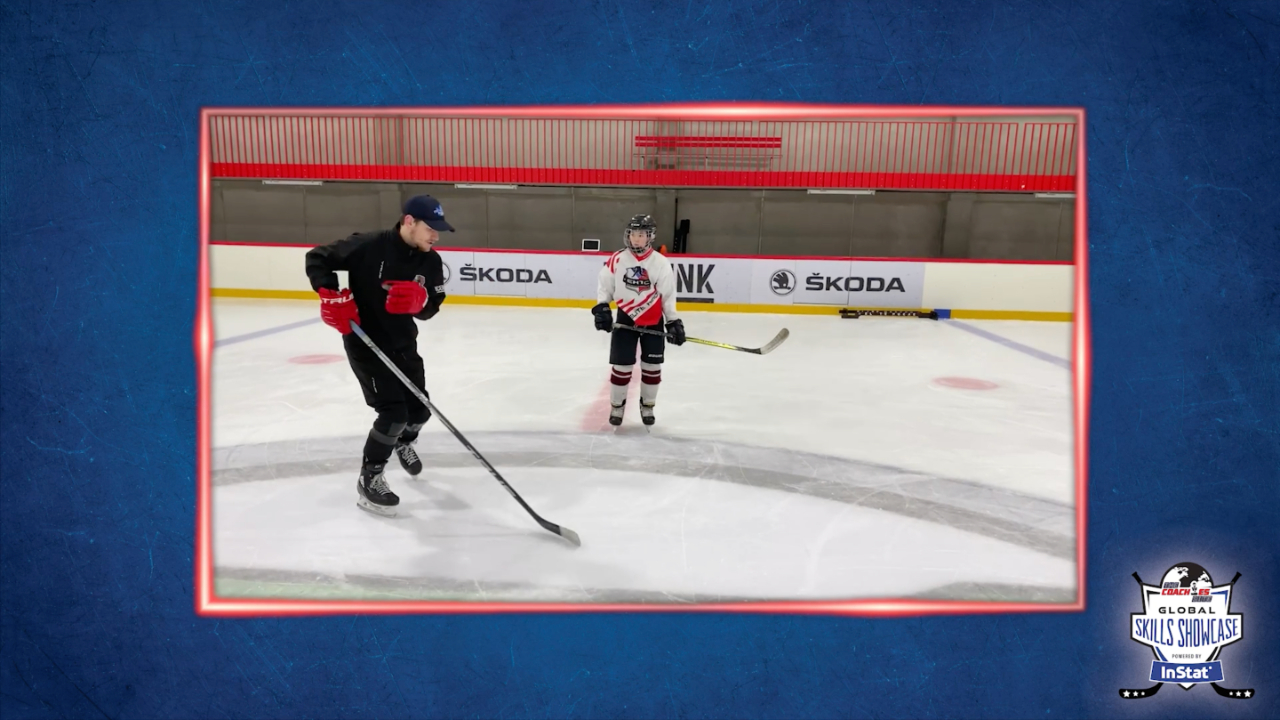
Offensive skating should be taught purposefully—what it is, why it matters, and how it creates time and space. Coaches can teach these concepts on ice, off ice, or through video and white board/Smart board work. Be creative in how players experience these ideas.
Key Features of Effective Offensive Skating
- Rapid accelerations & sharp decelerations: Players must start quickly and stop just as fast.
- Explosive or deceptive movement: Creativity is a weapon. This is what we call “good feet.”
- Linear attacks: Straight‑line speed that invades space and threatens defenders.
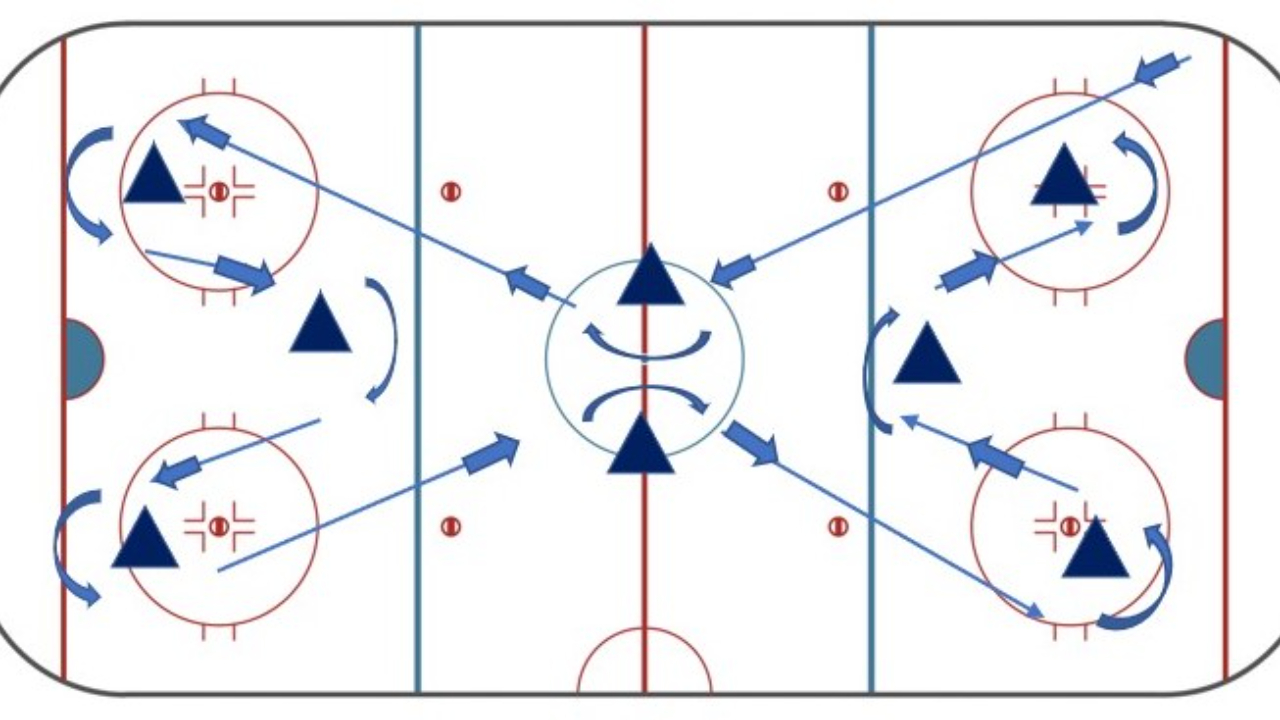
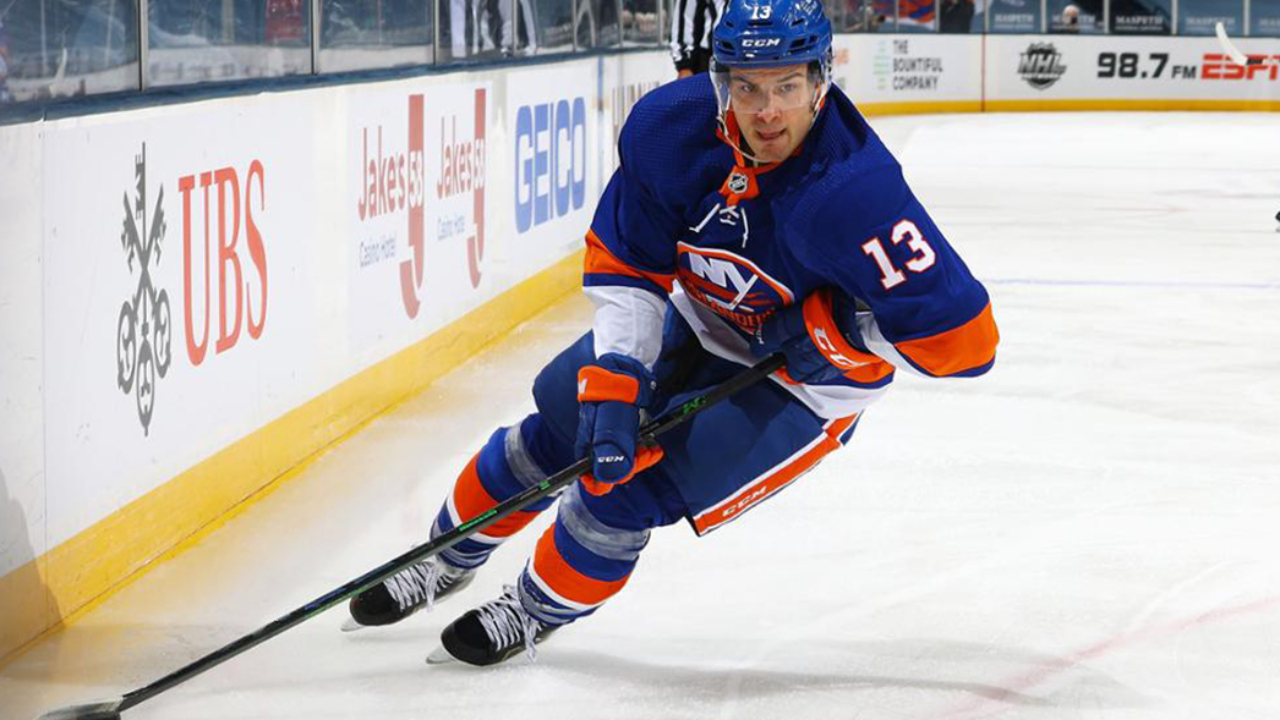
- Curved entries & evasive arcs: Looped and arched skating patterns that deceive, delay, or open lanes.
- With or without the puck: While offense is often associated with puck possession, off‑puck movement—weak‑side drives, support routes, and deep linear entries (no puck) —creates the options skilled teams rely on.
Players who struggle offensively often “over-skate.” They cover huge distances with little impact, hold the puck without producing threats, and find only congestion instead of space. These players can benefit from improved applications of (change of) speed, sharper directional changes, and enhanced deceptive skill sets: fakes, feints, look‑aways, heel‑to‑heel transitions, punch turns, and more.
Defensive Tactical Skating
Defensive skating operates on an entirely different philosophy. Where offense seeks to create time and space, defense seeks to remove it.
Key Features of Effective Defensive Skating
- Conservative and reactive: Defenders match the attacker’s pace, tempo, and stride rate.
- Purpose-driven control: Skating is used to steer, angle, contain, and deny ice.
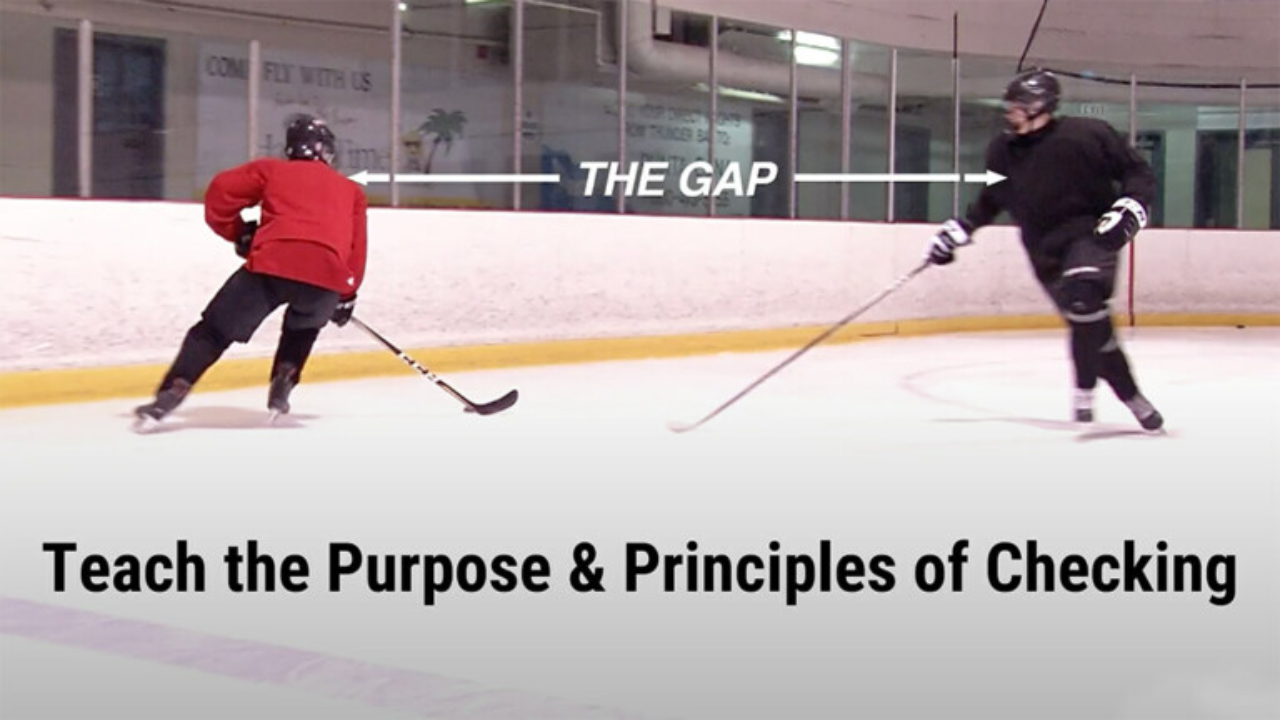
- Gap management: The cornerstone of good defensive skating—neither too tight nor too loose.
- Physical readiness: Strong balance, body positioning, and the ability to withstand or initiate contact.
- Strength in numbers: Good defensive skating leads to timely support, ultimately overwhelming the puck carrier.
Defensive breakdowns usually stem from predictable issues: poor gap, getting caught flat-footed, on the heels stance, mismatched speeds, or overcommitting. Corrective emphasis often includes backward accelerations, quick stops and starts, pivots, surfing/slash skating, lateral slides, and “stick‑on‑puck, body‑on‑body” coordination/comfort.
The Common Thread: Intelligent Skating
Whether attacking or defending, “more skating” is not inherently better. Efficient players adjust their skating to the location on the ice, the phase of play, pressure and the support around them. The savvy veteran who never seems to be out of position—and logs heavy minutes without overskating—is a perfect example of intelligent, economical movement on the ice.
The Transition Game: Switching Purpose on Demand
Modern hockey demands instantaneous switching between conservative defensive skating and creative offensive skating. This transition is where many shifts are won or lost. Building progressions that require these switches is essential in your coaching.
Recommended training concepts:
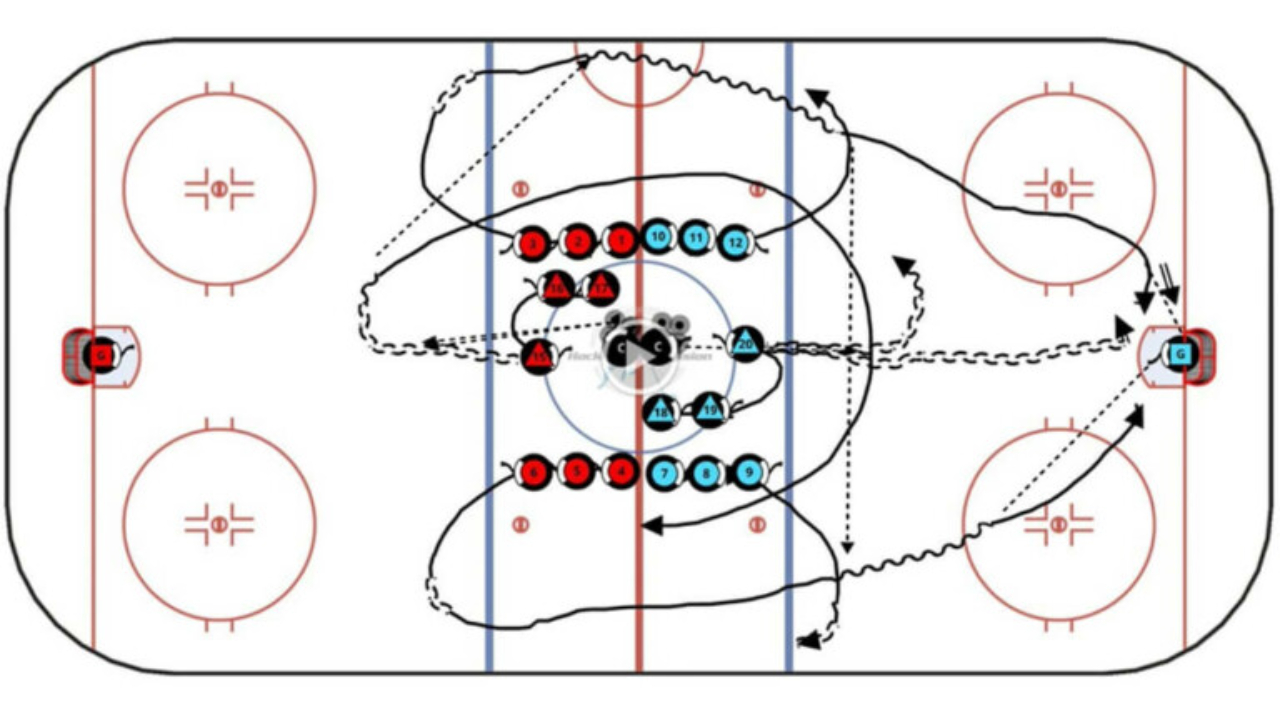
- Even- and odd‑man situational reps
- Small‑area games
- Competitive races and chase drills
- Rondos and keep‑away variations
- Tag games and pressure‑release scenarios
As players gain fluency in both offensive and defensive skating tactics, you’ll see skill efficiency rise and game performance improve significantly.