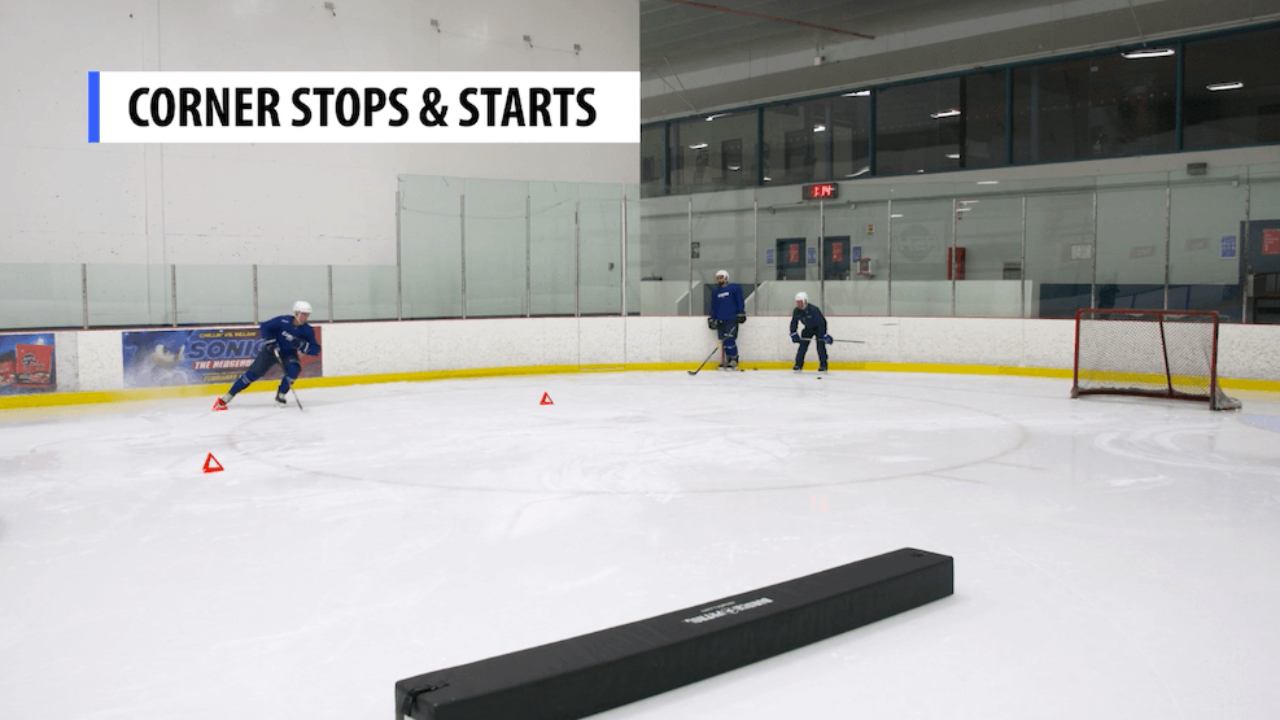
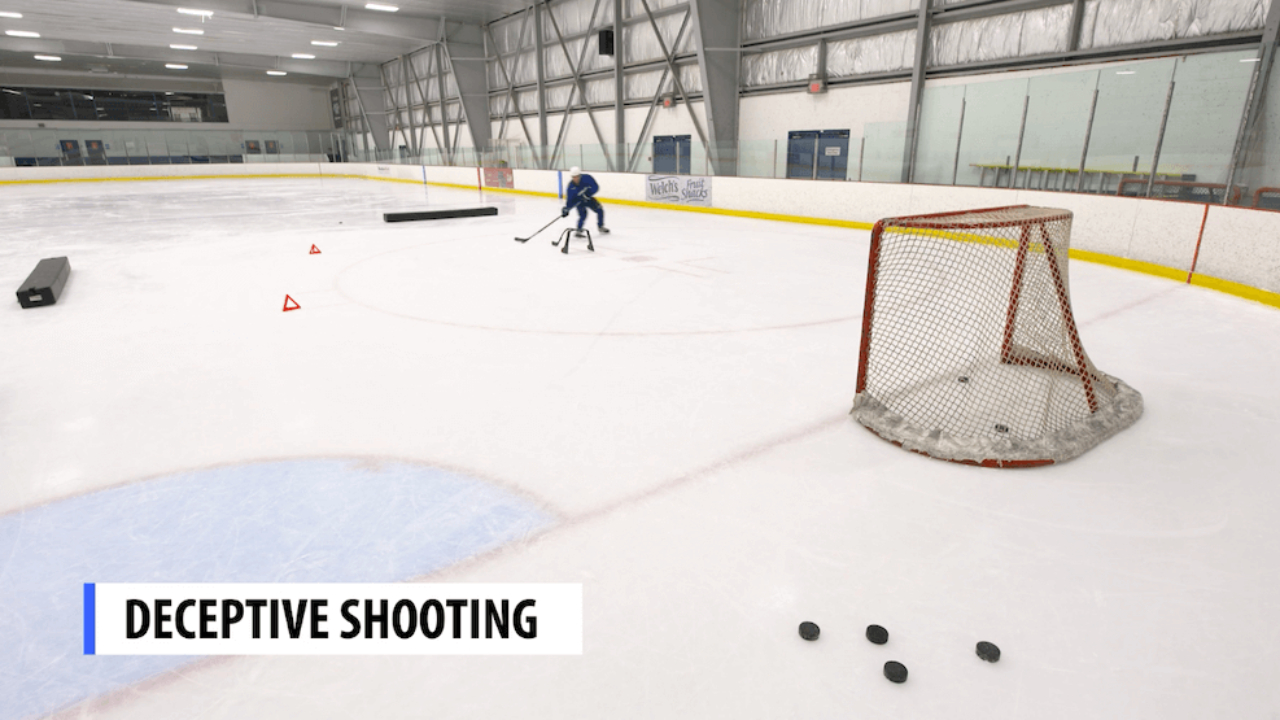
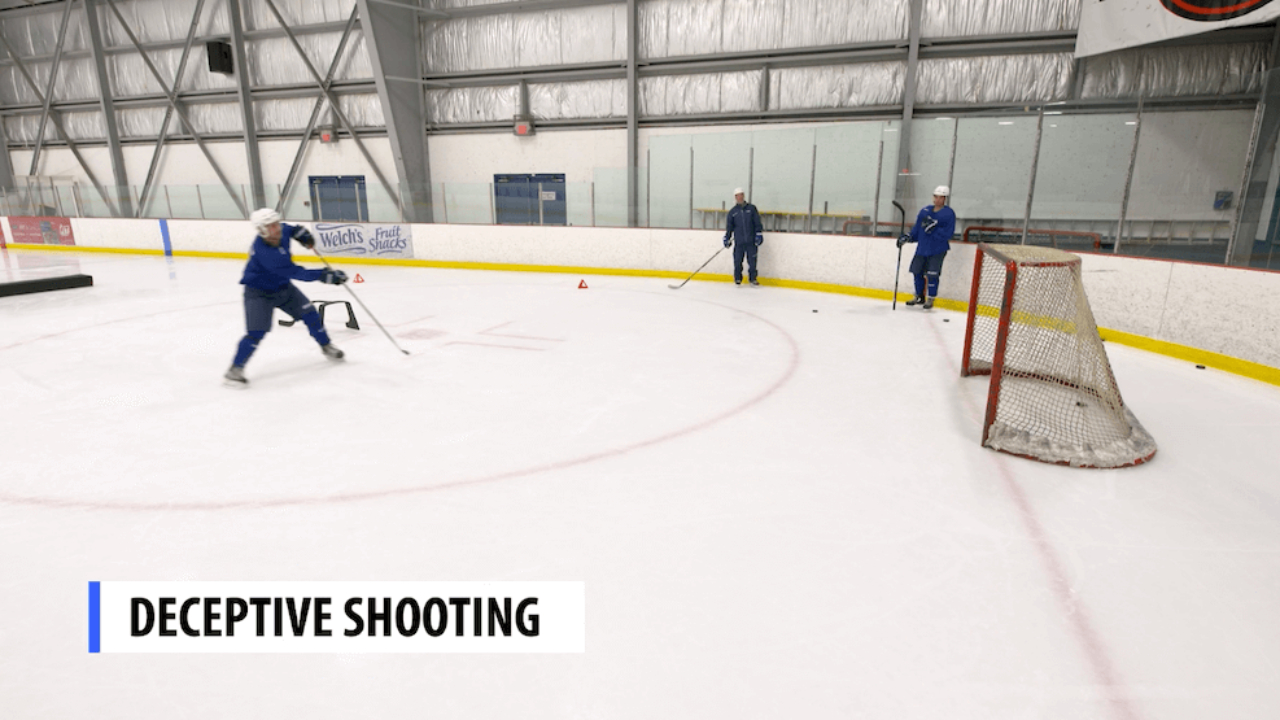
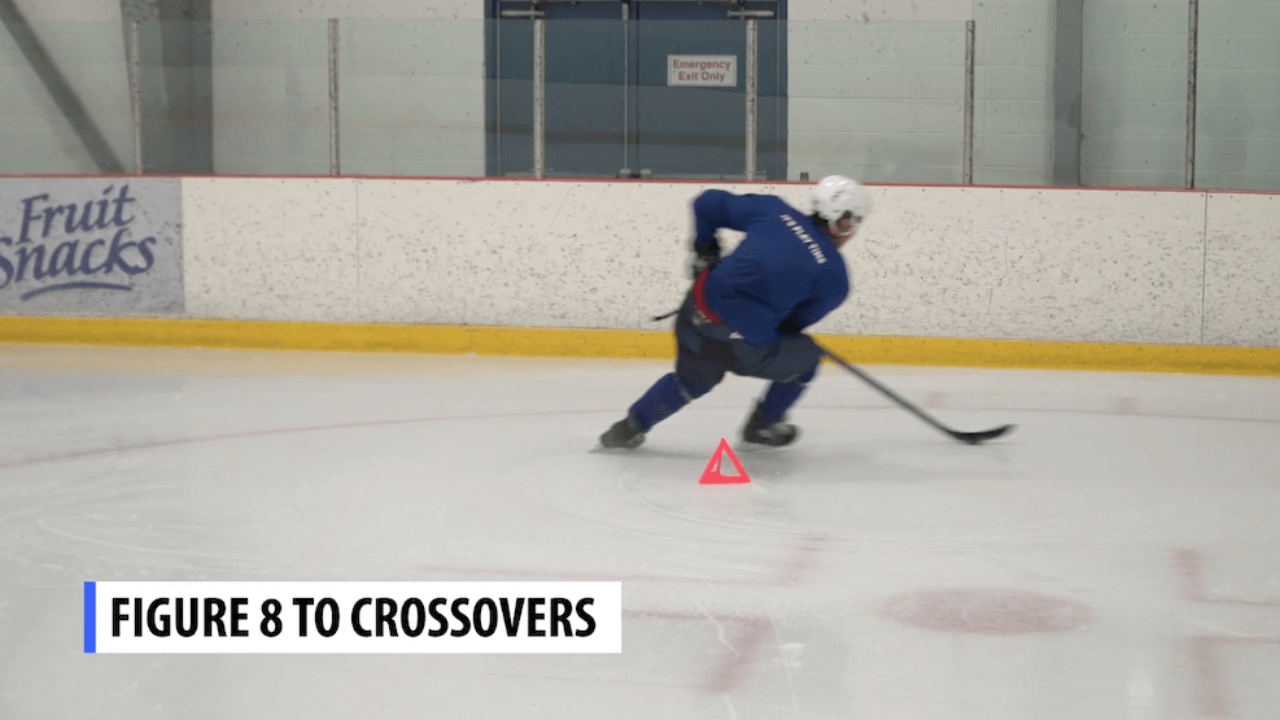
Whether it's taking on a new skater for lessons, or a new team at the start of a season, having a bench mark of where your skaters abilities are is vital to ensuring the best possible coaching route.
Here is the initial assessment review for the novice or newer skater. Each excersize can be expanded to adjust for age and ice availability. This current version is set for the 10u and under skater, or the Tier 6 or D-League adult.
___________________________
Initial Skater Assessment Drills
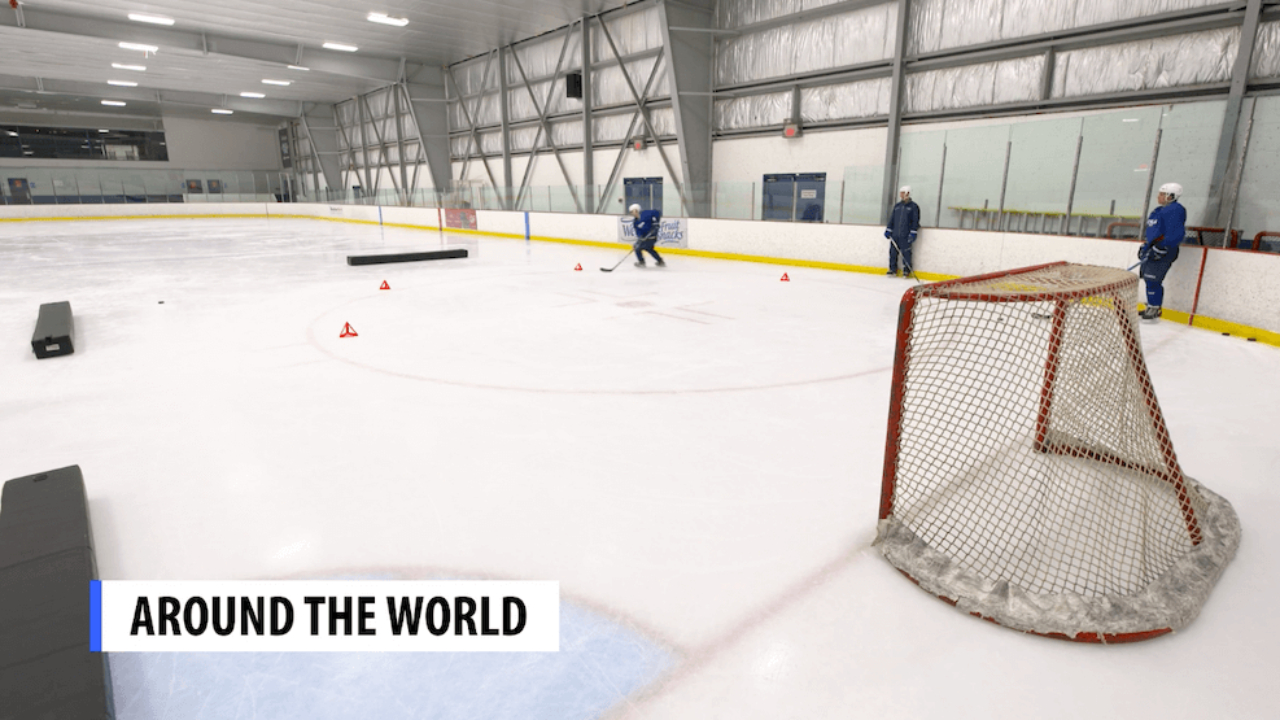
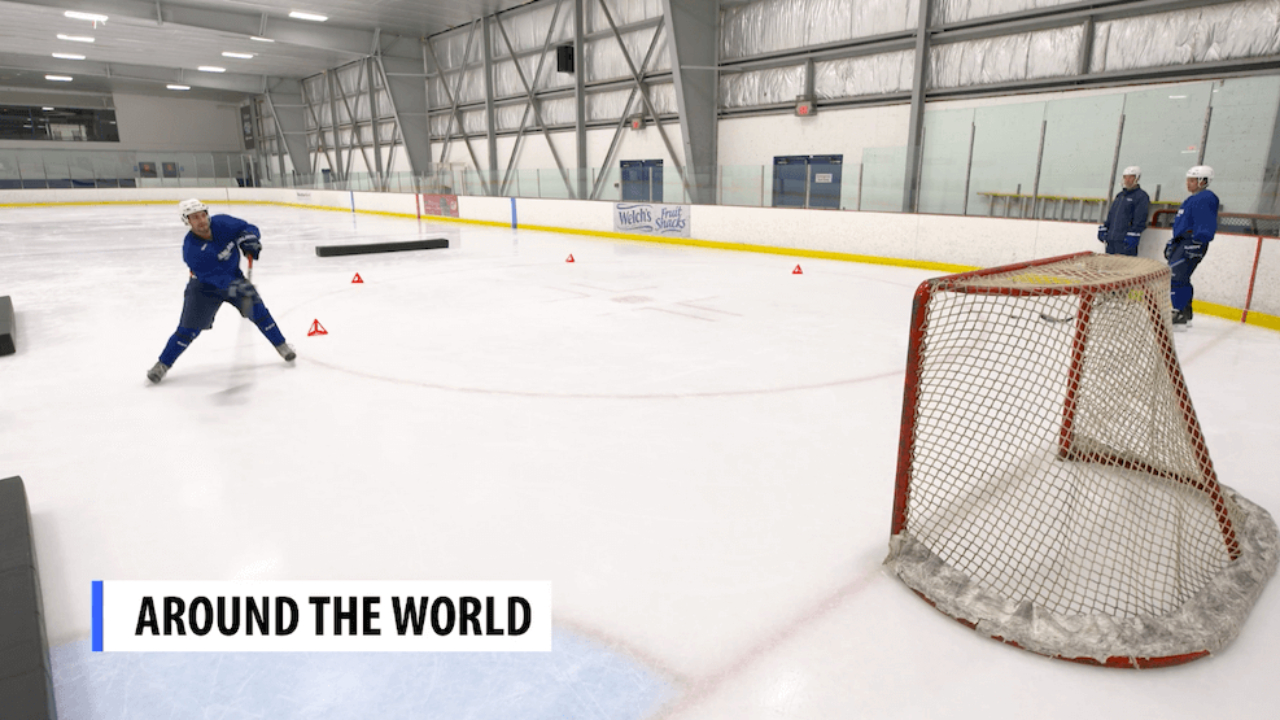
1) PURPOSE: Tests passing accuracy, reception quality, timing, and the ability to pass and receive effectively while in motion at varying speeds.
EQUIPMENT: Pucks; 3 cones
RUN IT:
1) 5 Forehand Passes / 5 Backhand Passes
2) 5 passes Forehand sauce / 5 Backhand sauce (optional)
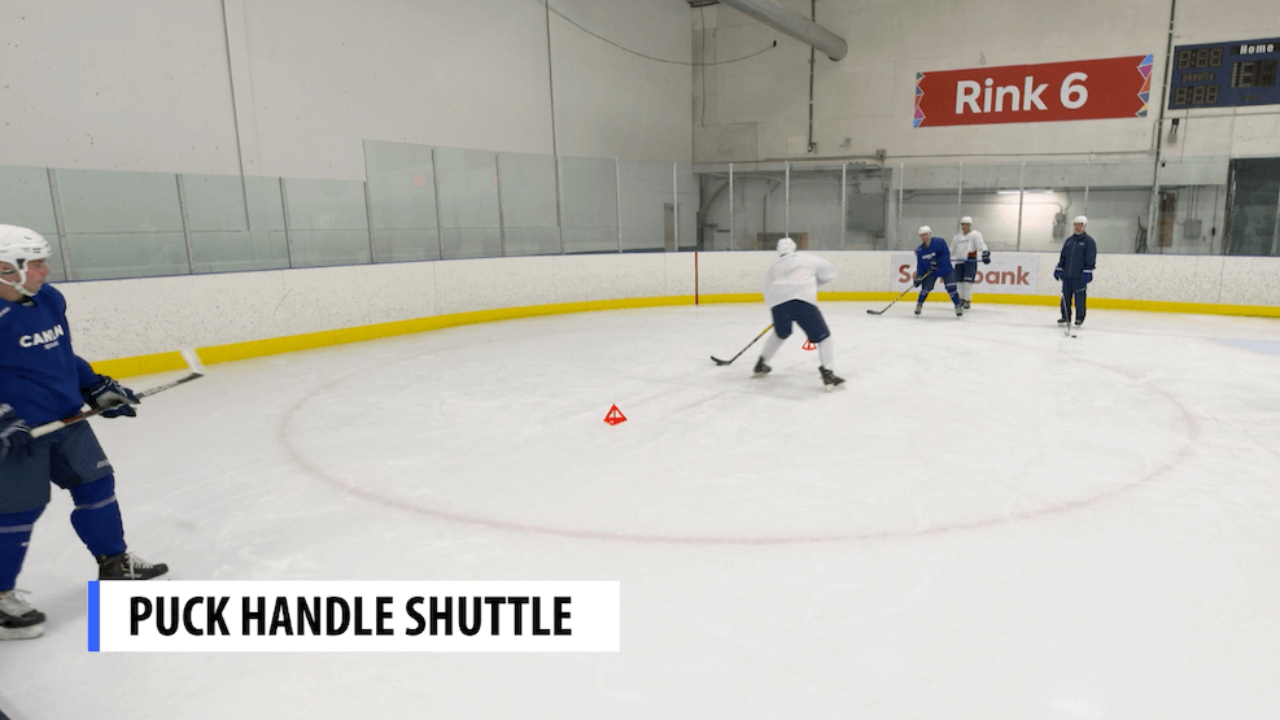
3) Each player takes turns doing a circle from their cone around the second cone they must give a pass before the second cone and receive a pass back on the other side of the cone while they circle the cone. How they transition is up to the skater's ability. They will take 2 give and go passes in one direction and 2 give and go passes in the other direction.
NOTES:
- Are passes flat on the ice (ideal) or bouncing? Bouncing passes indicate improper weight transfer
- Is the player leading the receiver correctly — passing to where they will be, not where they are?
- Does the player's head come up before releasing the pass, or is the player watching the puck?
- Is the player receiving passes cleanly without multiple stick-taps or fumbles?
- Watch for proper weight transfer on the backhand — shift from back foot to front foot through the
- pass
-------------------------------------------------------------------------------
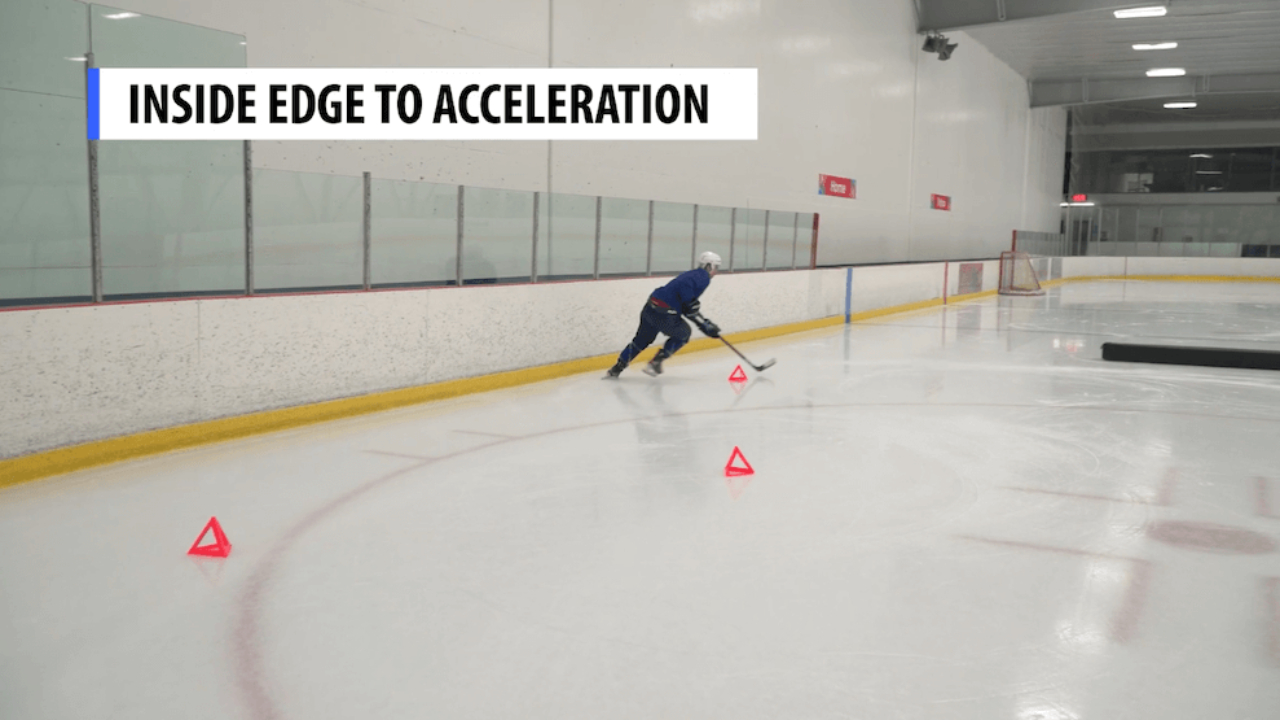
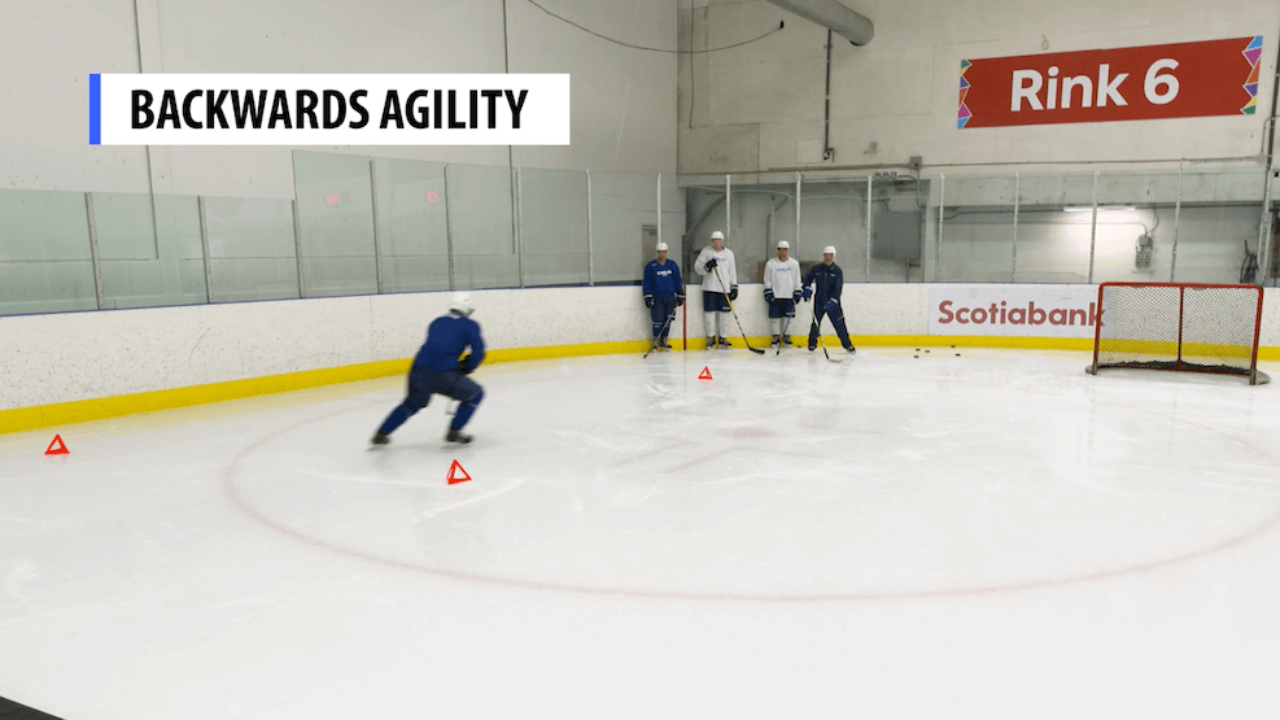
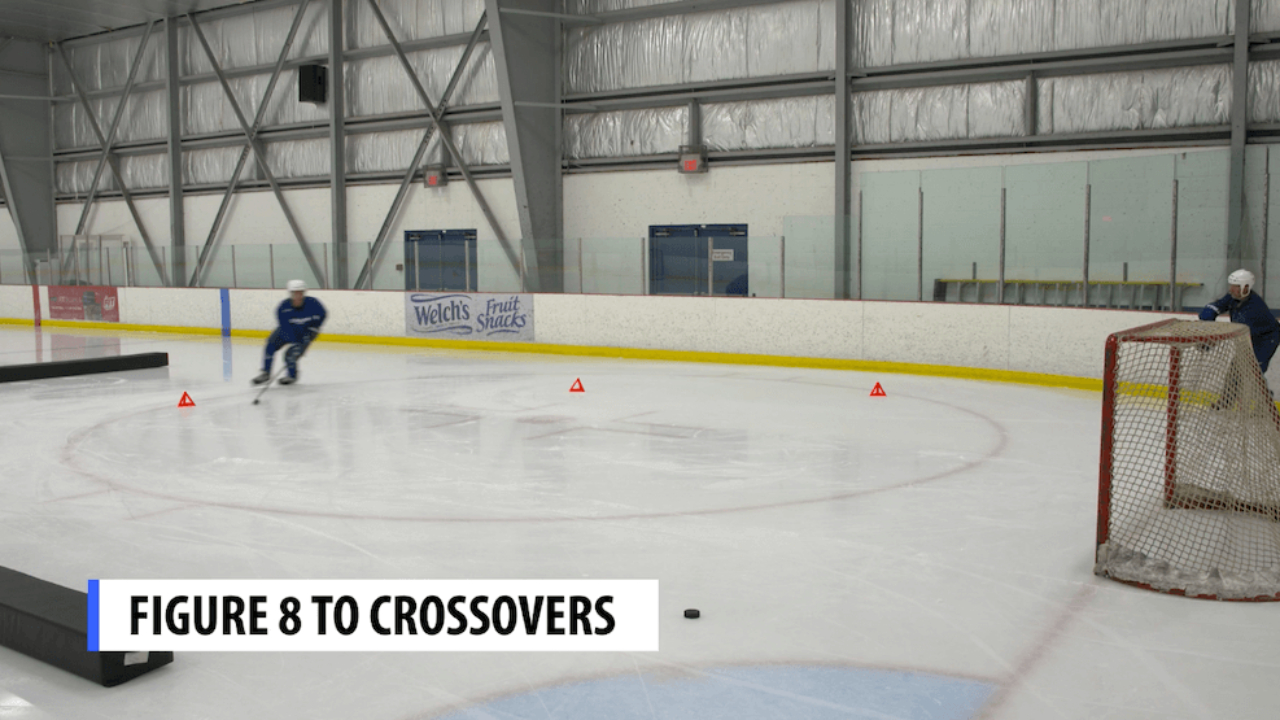
2) PURPOSE: Evaluates forward skating, backward skating, crossovers, forward-to-backward and backward-to-forward transitions, edge control, speed retention, and acceleration across full-ice distance.
SET IT UP: cones to mark transition points
RUN IT:
Player starts at the near goal line, stationary.
1. Forward sprint from start to cone at maximum speed.
2. Perform a forward-to-backward transition at the cone — no stopping, no stepping.
3. Backward skate from the cone to the face-off circle.
4. Perform a backward-to-forward transition at the face-off circle.
5. Execute a full (crossover)loop around the far face-off circle — one complete revolution.
6. Full-speed sprint back to the starting line.
7. Perform a hockey stop at the starting goal line.
NOTES:
- Watch for proper knee bend and low center of gravity throughout the drill
- Check for clean edge bite on transitions — no stumbling, stepping, or stutter steps
- Evaluate speed retention — does the player noticeably slow at each transition point?
- Observe crossover technique: are inside edges actively powering the crossover loop?
- Check posture throughout: head up, shoulders square, arms engaged for balance and power
-----------------------------------------------------------------------------------------
3) PURPOSE: Tests stickhandling mechanics, puck speed, head-up play, composure under increasing speed demands, and puck protection ability.
EQUIPMENT NEEDED: 3-5 cones spaced 5 feet apart in a straight zig-zag line; pucks
RUN IT:
● Forehand/Backhand Alternating: Moderate pace. Player weaves through all cones alternating
forehand and backhand touches at each gate.
● Tight Turn: Maximum pace through all cones, forehand/backhand alternating, perform a tight turn
with puck and return through the cones in the opposite direction.
● Tight Turn the opposite direction: Maximum pace through all cones, forehand/backhand alternating.
Perform a tight turn in the opposite direction with puck. Return through the cones and finishing on
the opposite end of the start.
NOTES:
- Is the player's head up, or is the player watching the puck the entire time?
- How close does the player keep the puck to their body vs. pushing it far out front?
- Does puck control deteriorate meaningfully as speed increases from Round 1 to Round 3?
- Note backhand technique — many players lose puck control on the backhand under speed
--------------------------------------------------------------------------------------------------------------
4) PURPOSE: Tests shot mechanics, accuracy to all four corners, release speed, shot selection, and the ability to maintain accuracy.
SET IT UP: Pucks; a designated net (with or without goalie); targets or markers on four corners of the net; a feeder/coach.
RUN IT:
1) Wrist Shot (4 shots): Player positioned in the slot, stationary. Aim for all four corners —
evaluator calls a corner or player selects. Assess mechanics, weight transfer, and accuracy.
2) Snap Shot (4 shots): Player is in the face-off circles. Snap shot emphasis — minimal
wind-up, quick release. Assess release speed and accuracy on target.
3) Pass and Shoot (4 shots): Player skates in from the wing, receives a pass from the coach/feeder
in stride, and shoots immediately without stopping.
NOTES:
- Is there proper weight transfer from the back foot to the front foot through contact?
- Does the follow-through point directly toward the intended target?
- How quick is the release? Does the player telegraph the shot with an extended wind-up?
- Is shot selection intelligent — is the player picking open corners or shooting into the goalie?
- Does accuracy hold up under increasing speed and time pressure in Part 3