If I had to describe our season right now in one sentence, it would be this: inconsistent growth.
There are stretches where things look like they’re coming together — team play, skating, passing, effort — and then there are games where it feels like we’re right back where we started. That’s been the hardest part for me. Not that kids are struggling, but that progress hasn’t been linear.
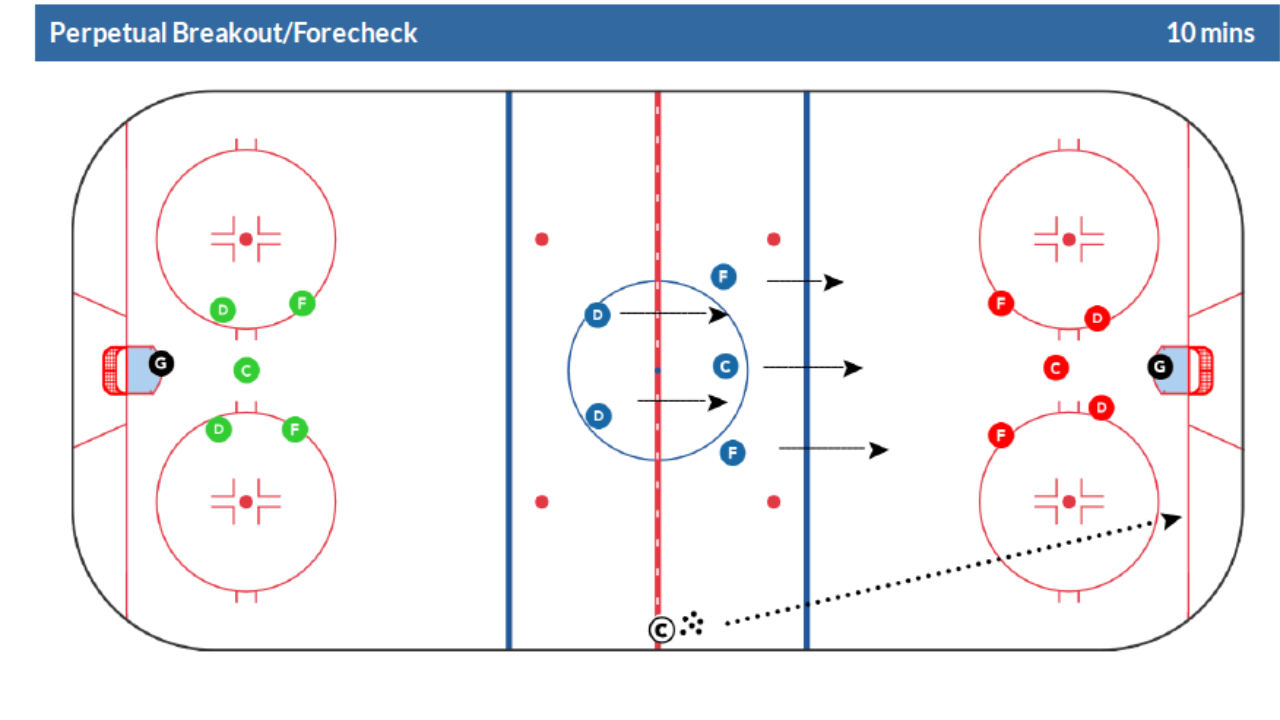
One of the biggest examples of that has been our forecheck and offensive zone play. We’ve worked on pressure. We’ve worked on angles. When we’re doing it well, we create turnovers, generate chances, and force teams to work to exit their zone. But when it doesn’t show up, we try to do too much individually. We skate the puck ourselves, rush plays, and end up chasing the game. Those nights we struggle to generate shots, and everything feels harder than it needs to be.
What’s been frustrating is that I know the kids can do it. I’ve seen it in short bursts. I’ve seen it for a shift, a period, sometimes even a full game. But getting it to stick consistently has been the challenge.
Part of that has forced me to look inward.
I’ve trusted my gut in games. I’ve tried to manage situations, read who’s going and who’s not, and adjust on the fly. At the same time, I know there are moments where my tone hasn’t helped. I’ve caught myself yelling answers from the bench, trying to motivate, trying to speed things up — and not getting the response I hoped for. That’s on me.
What I see in the kids is a group that wants to have fun, but also wants to win. And in that space between those two things, anxiety creeps in. When they get the puck, instead of feeling confident enough to make a play, they freeze or rush it. They stand still, or they throw it away quickly just to avoid being the reason something goes wrong. I don’t think that comes from a lack of care — I think it comes from wanting to do things right.
That’s been hard to balance as a coach. There are times where I expect good plays early in games and feel myself getting impatient when they don’t happen. I can feel the frustration when I’m saying the same things over and over — pressure the puck, move your feet, don’t rush it, support — and the same mistakes still show up. Wingers struggling to get pucks out cleanly, centres late to support low, defense backing in instead of holding ground. And in those moments, the question creeps in: am I part of the reason this isn’t clicking yet?
At the same time, I have to remind myself who we’re coaching. These are nine-year-olds. They’re inconsistent by nature. Some days they’re dialed in, some days they’re not. Some days they want to work, some days they want to goof around. That doesn’t mean they don’t care. It means they’re still learning how to learn.
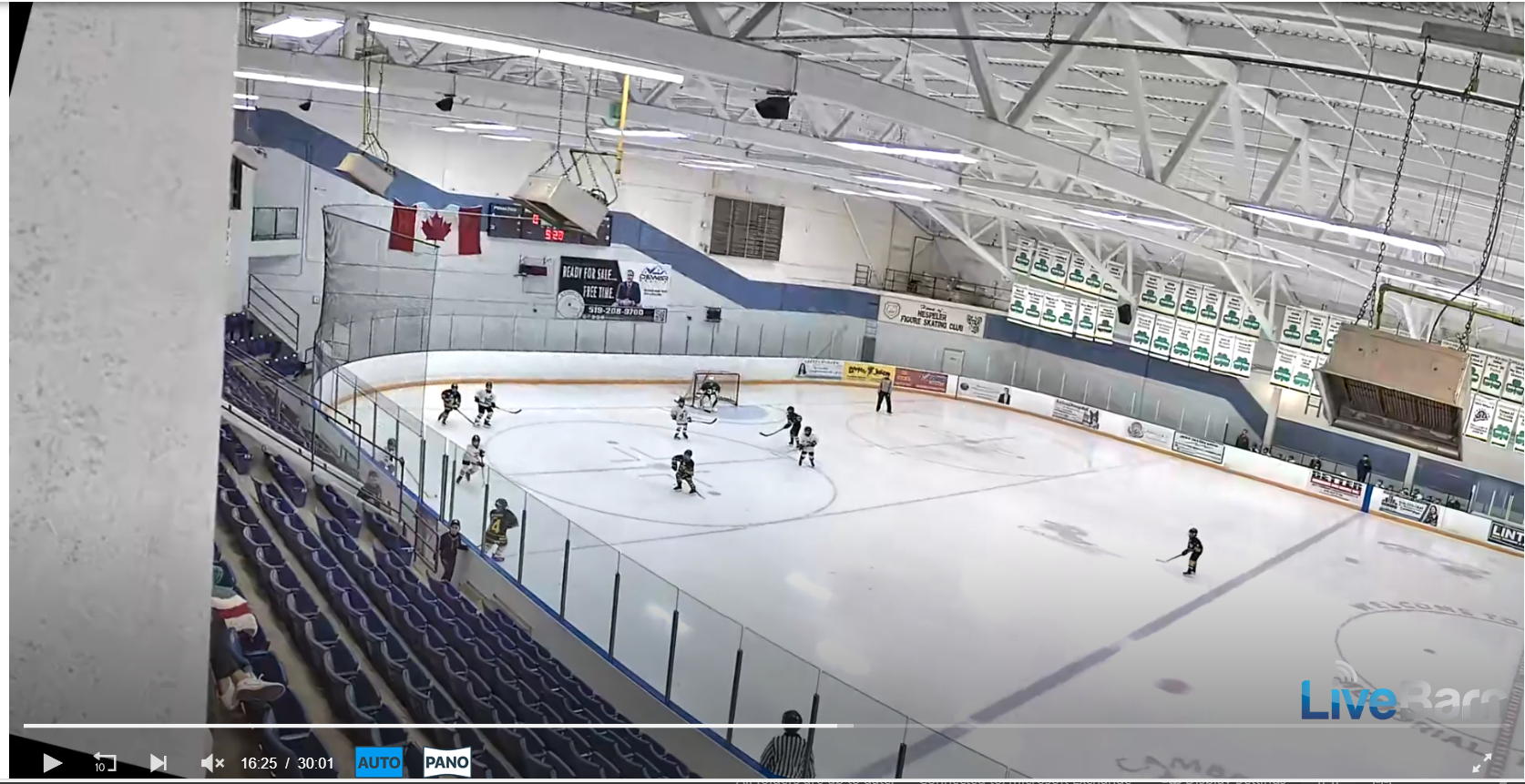
When I watch video after games, I see the same mistakes repeat. That’s been discouraging at times. But I also see effort. I see growth in different areas for different players. And I see a group that hasn’t quit.
So for now, I’m staying with it. I’m still saying the same things. I’m still teaching the same habits. But I’m also trying to say them better. Quieter. More intentionally. With more patience.
I don’t have this figured out yet. I know what I want to teach. I just haven’t gotten it to stick the way I want it to — not consistently, anyway. And maybe that’s part of development too. Not just for the kids, but for me.
Because coaching isn’t just about having the right answers. Sometimes it’s about staying steady long enough for the lesson to land.
About the author
I’m a U10 Rep A coach and an OJHL regional scout. I write about the realities of youth hockey — what I’m trying, what’s challenging me, and what I’m learning along the way — with the goal of helping other coaches navigate the same space.