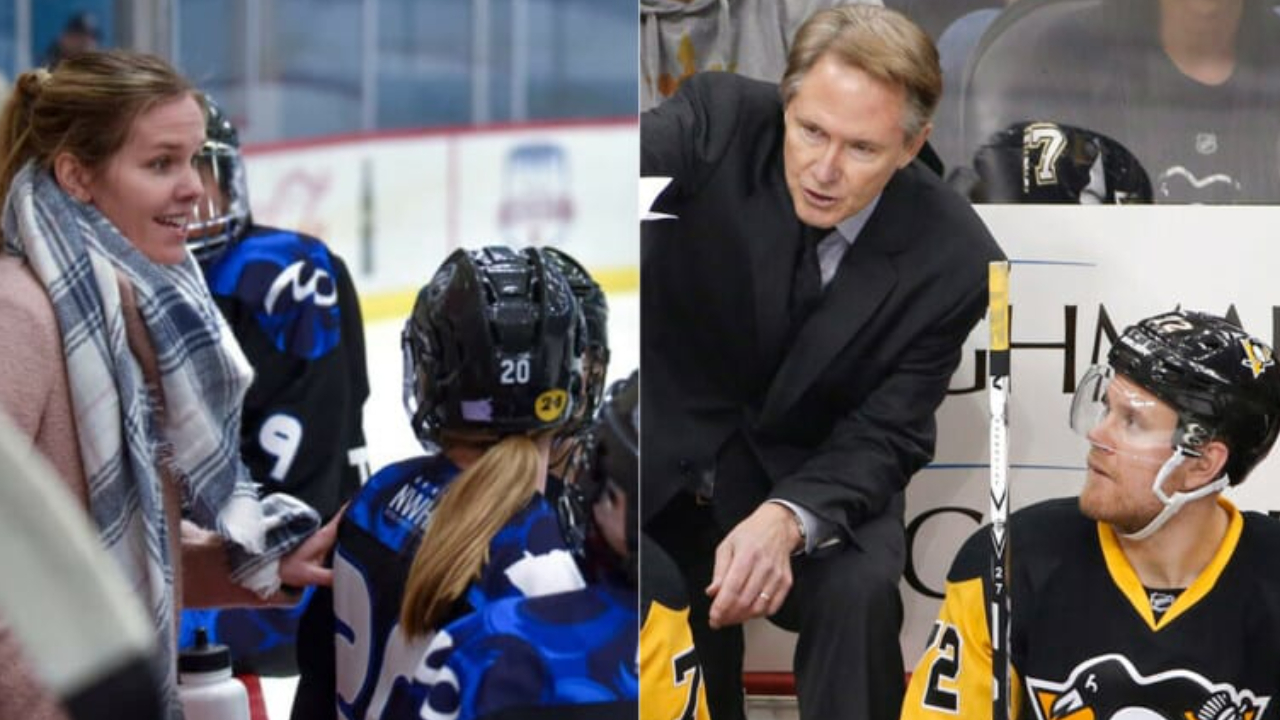

Last season was my first true season as a head coach for a team. It was fun, long, and challenging. I figured it would be worth sharing my little tidbits of "wisdom" that might help someone else. Feel free to take what you want and discard what you don't want.
Find Mentors and Utilize Resources Your Organization Provides
There are a mix of things going on when we start our coaching journey. You're staring at a blank page or site. Practice plans might've seemed easy before, but now you're responsible for creating a plan that moves your team in the direction you want. "Do I need to work on breakouts or offensive zone entry?"
You aren't alone. There are others that have been in your shoes. They've dealt with similar issues. Most organizations have some sort of director or similar role. They should be invested in the success of your team and the organization. You may also have others you've looked up to in the past that could provide guidance. You can also meet people at coaching clinics.
One of the biggest mistakes for a new head coach is thinking they can do everything on their own. You can try, but you'll probably hate the experience. You also don't have to agree with what your mentors say, but just having the conversation gets your brain growing. It opens up opportunities to learn. Take full advantage of these opportunities.
Everyone that I talked to as a mentor was incredibly helpful and generally loves "talking shop". You aren't wasting anyone's time when you're trying to grow and learn. Don't hamper your own growth as a coach.
Communicate with Families Often
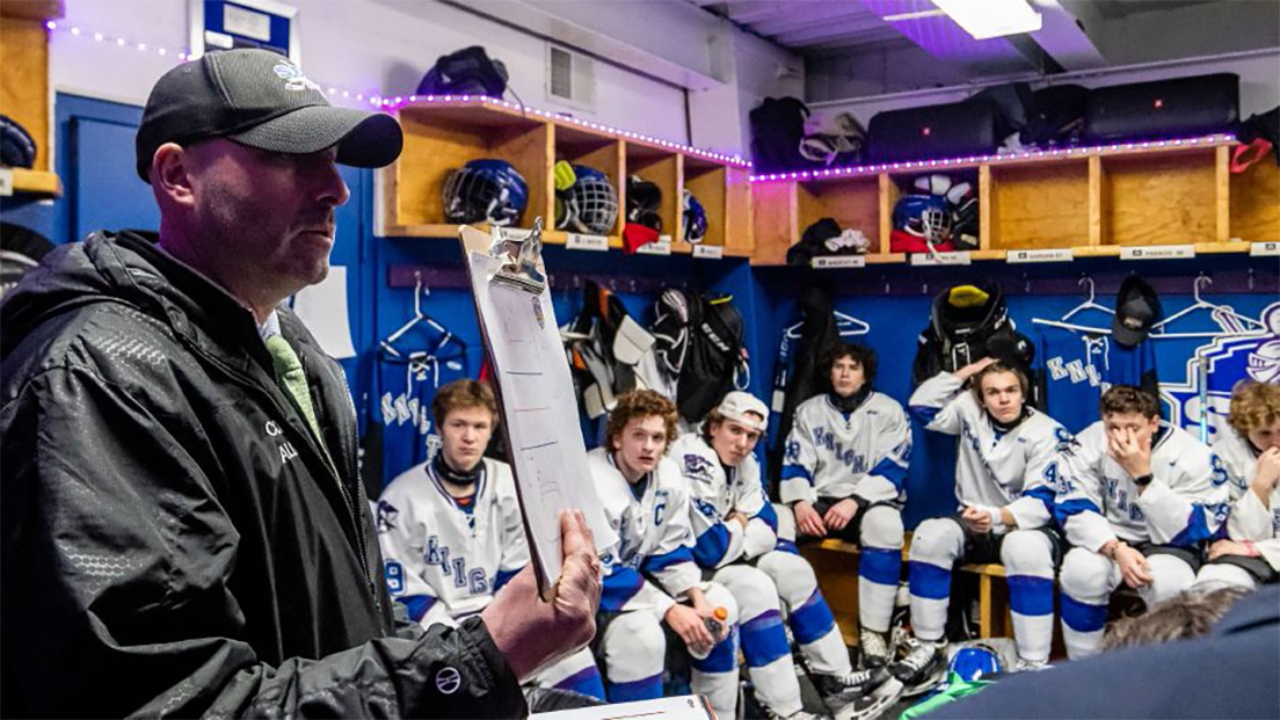
This was a bit of advice from a mentor and my director. One of the biggest complaints they hear from families is not communicating enough. It can be weekly or bi-weekly (personally, I recommend a weekly cadence for a coach message). Let them know what your plans are, how the team is progressing, and maybe a bit about your own philosophy. Maybe you have relevant videos for a concept that would be good for kids to watch like, "Here's a video about offsides." Whatever you do, it needs to be your voice.
It will also be another way to show you care about the kids on your team. Families need to feel like part of the team. Some people won't read your emails. That's fine, but those that do will appreciate it.
Ask Parents for Help
I learned this one later in the season than I cared for. I had 3-4 coaches on my staff to start. I felt like, "that should be good." I was wrong. There are so many things you are focusing on as a head coach. Ideally, you should not have to focus on setting up drills, cones, etc.
How does this apply to asking parents for help? You need to ask parents on the team for help if you don't have enough people to set up drills and open/close doors on your bench. This requires coordination, training, and other education to get these folks on the ice and/or on the bench.
It's hard to run a bench when you also have to open doors. You can't watch the game very well if you're constantly worrying about the door. A kid comes to the bench and wants to get off the ice, but you're trying to talk to another kid on your board. Yes, you can make it work, but it's easier not to. Don't make your job harder than it needs to be. People will get sick, have business trips, and a bunch of other things. Having more support isn't a bad thing.
Also, getting more parents involved is a great experience for the parents. In my experience, their kids love it. One of the people I had on the ice enjoyed it so much that they've started playing in a D league!
It's About the Kids
Every coach has goals. I'm going to give you the statistic that I feel matters most. It's not your win percentage. While there are pro, collegiate, and junior coaches on this site; unless you're one of them, your win percentage is your least important statistic. Your most important statistic should be, "how many of my players come back next season?"
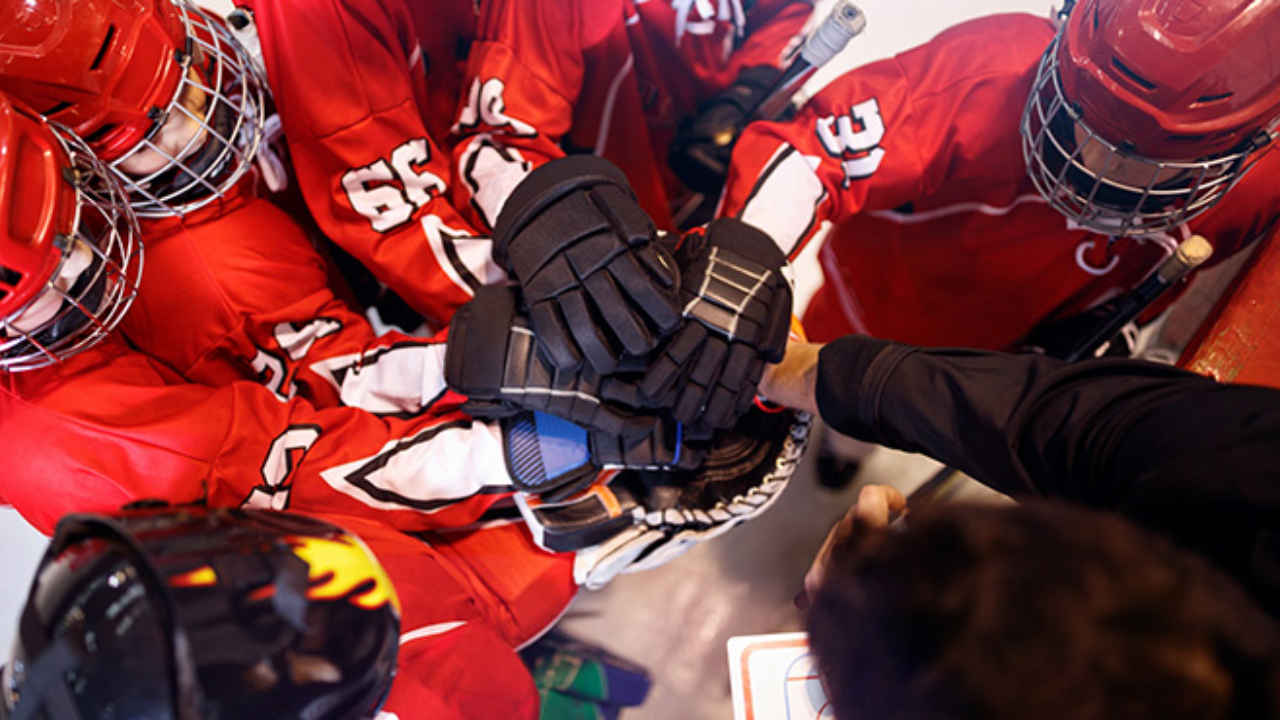
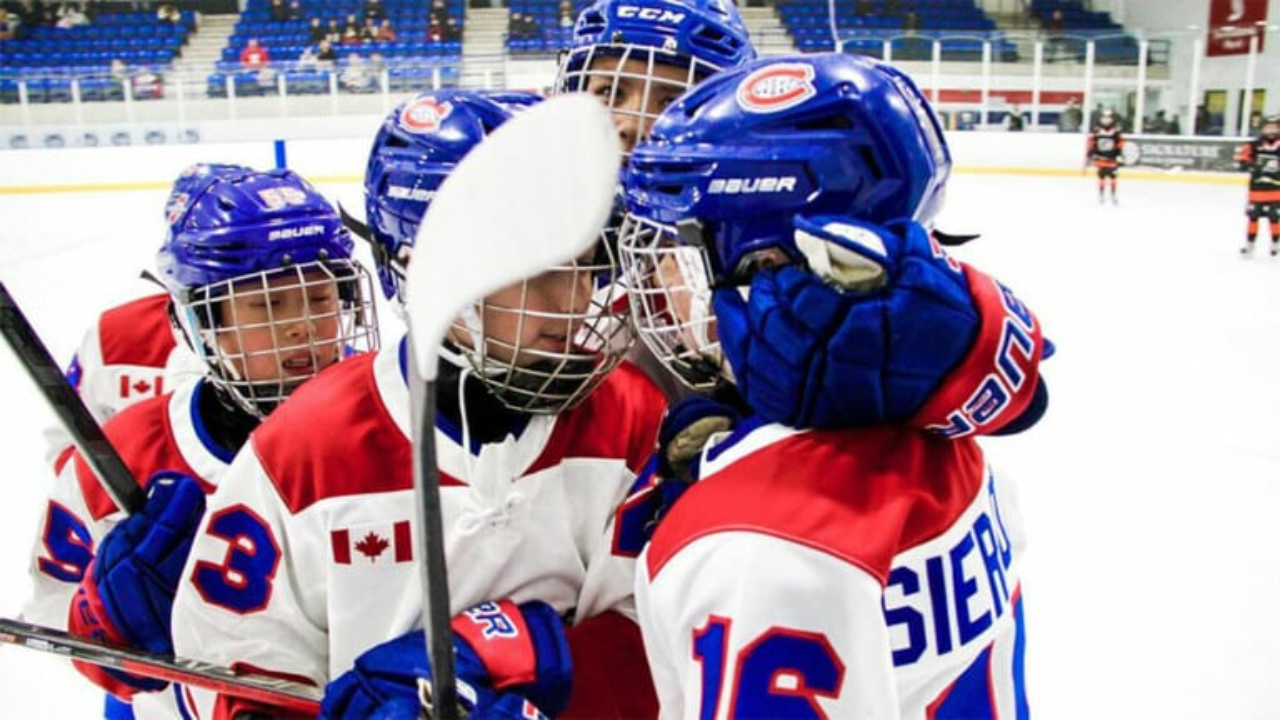
Hockey is supposed to be fun. At the same time, we're also growing these little humans into the future leaders of our world. We want to give them good experiences. We want to allow them to make mistakes and grow. We want them to come back. We are building skills, memories, and friendships. As the coach, you are not the most important person on the ice or the bench. Check your ego at the door.
"When You Open Your Mouth, You Close Your Eyes and Ears"
Okay, you're not physically closing your eyes and your ears when talking. When you're busy talking or even shouting onto the ice, you're not truly watching or listening. We might worry so much about what we have to say, that we won't observe and won't be curious.
Pyry Lukkarila does a great job talking about this in his TCS+ Live video. In it, he talks about joystick coaching. We see coaches do this all the time. "Go here, stay onsides, do this!" When we do things like this, we're taking away opportunities from the players. They need to try things and be in the moment.
Every game card that I made per game always had a goal of "No joystick coaching" on it. When I follow this goal, my observation is better. I can respond to players on the bench better. I ask better questions. I can set better goals for the team and track what I care about.
I have an example from when I didn't follow that goal. I told a player they need to move up ice while they were on the ice. They stopped and just looked at me. Who's fault was that? It was mine. I took that player mentally and physically out of the game because I opened my mouth. I'm not saying we should never speak out onto the ice, but we have to realize the power that comes with using that tool.
Conclusion
I hope some of this helps you out a bit in starting your journey as a head coach. I feel like it's worth it. Ultimately, if you continue to be curious about coaching, your players, and the families, your season will be memorable. Hopefully, it brings those families back to the rink for years to come. I wish you luck.