
The inherent benefits of play for creating fun and enjoyment, and enhancing passion for sport are clear for coaches. But is the deeper value of play as a learning tool well understood? In this article we will look closer at how game play can be used in practice for learning and development, as well as how to design and use game play to its fullest effect.
Let's begin by defining game play.
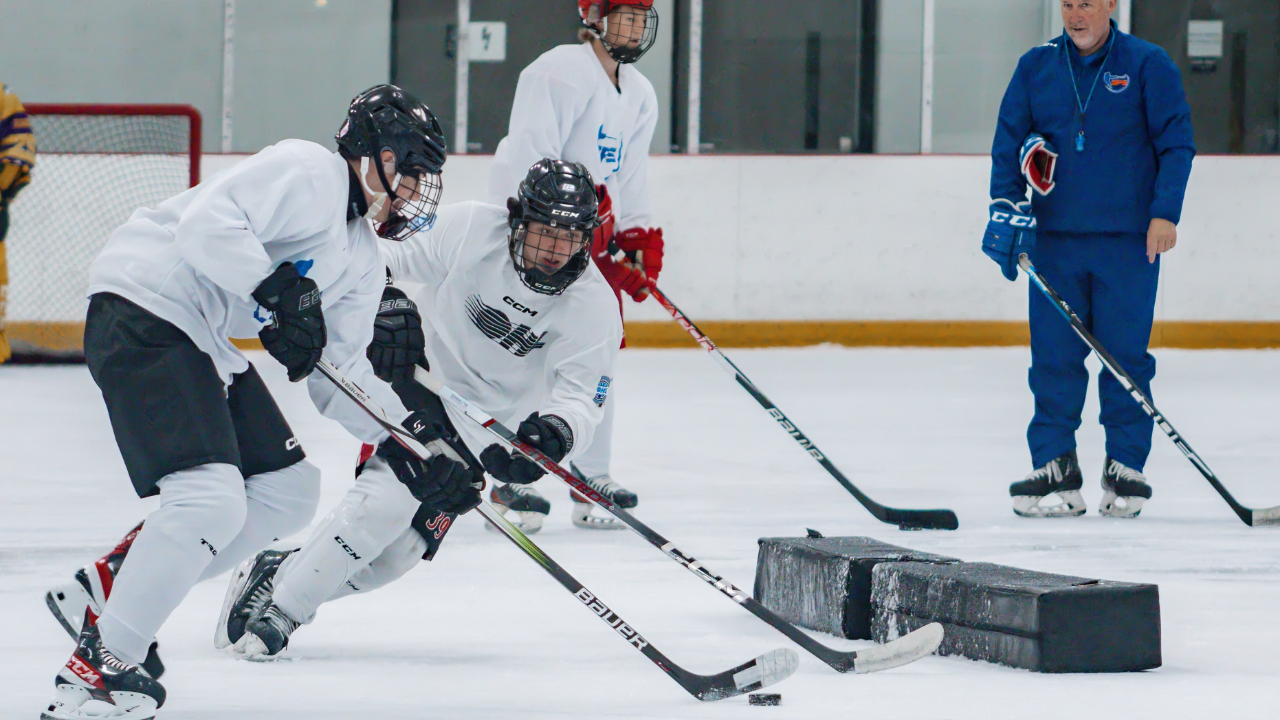
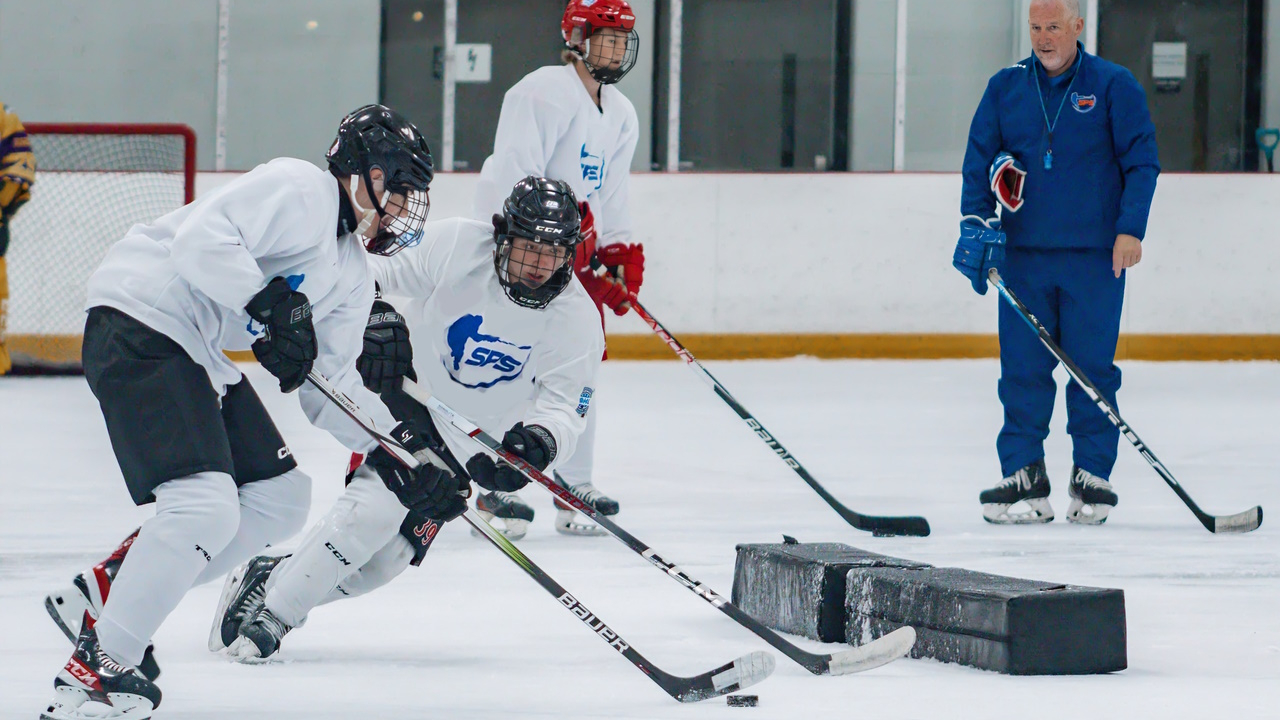
As a most simple definition, I define game play as any activity that provides players information from the full 5v5 game that requires them to be perceptive, make decisions and solve problems. From the non-linear approach to coaching we would call these game activities representative "slices" of the game, and they do not need to look like the game, but they have to feel like the game. This means we now have a very wide scope of activity types that can be defined as game play...Small Area Games, Low Organized Games, Compete and Battle Drills, Tactical Drills, etc.
As coaches we use these types of activities on a regular basis in practice. The key though is how we use them. How we design and manipulate them. The intention for using them. And lastly, how we deliver them and teach inside of them.
It starts with intention. Intention is critical if we want any activity to have its fullest effect for learning and development. Many coaches believe (and rightfully so) that just playing games in itself will have a development benefit. But we can guide development and focus the learning even greater through intention.
Intention also impacts how we design and manipulate game activities. If I have a distinct intention for my practice and wish to link all activities to that intention (a good idea), then I cannot just insert any game activity. I need game activities that serve my intention. This means as coaches we must be willing and able to design game activities to serve the purpose or take activities and manipulate them to serve our purpose.
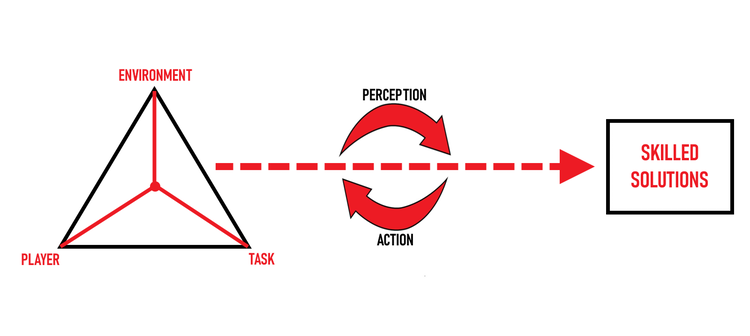
The essence of game play activities is realized from the exploration and discovery they provide players. Game activities by nature are going to be dynamic. Constraints (i.e. information) will be changing within reps and from rep to rep. Nothing will be the same. This impacts how we should deliver game play activities.
We cannot script or prescribe. There is no script to a game. Its an ebb and flow of changing information. At best we can give the players an objective or outcome and allow them to seek out solutions to achieve it. If we are using game play activities and then scripting the movements and solutions then we remove the greatest value they provide for learning and transfer to the real game. The other consideration for delivery is the use of a constraints led approach (CLA). This coaching method allows you to guide the learning without having to script and tell players what to do, how to do it, when to do it, etc. There are many ways to make use of constraints. Space, player numbers, net size, rules, intention, scoring, starting locations, puck location...its an endless list really. The combination of providing objective over scripting and a CLA creates the greatest results.
Here are a couple simple examples of Cross Ice Games. Both games have been designed with an intention in mind and the constraints designed to guide the learning. The delivery avoids scripting and focuses only on provide players the objective or outcome they are to achieve. The constraints (rules, player positions, etc.) afford the players opportunity to achieve the objectives.
 |
The intention in this game is to develop the skills of making royal road passes and taking quick shots off such passes.
Constraints:
and from a pass across the circle. |
 |
The intention in this game is to develop the skills of making quick breakout passes to exit your zone.
Constraints:
|
In closing, here is a simple checklist you can use to determine if you are using game play in your practices in the most effective manner:
- You only use game play at the end of practice.Game play can and should be used throughout practice. It can be used to open practice, it can be used in stations, it can be used for tactics and skills.
- Your games lack intention for learning.Its OK to throw in some time for fun and free play. But if that is the only reason its used then you are missing out on the learning that can be achieved.
- There is no teaching.If all you do is toss in a puck and let them play without ever providing feedback, corrections, or asking questions. This is when assistant coaches are required. As players come out of the game they can be interacting and teaching.
- Your games are not linked to the practice theme.Every practice should have a theme and the content in the practice should link to it to maximize learning. If you are just inserting games that have no connection to your theme then value is being lost.
- Games always start with a dump in.There are so many various ways to start a game play rep. You can use a faceoff. You can have one player start with the puck in a designated location. The game can start from a shot on net. From a rim. If you are spotting pucks be sure to spot the puck to various locations. Remember, how the game starts is a source of information for players (a constraint)