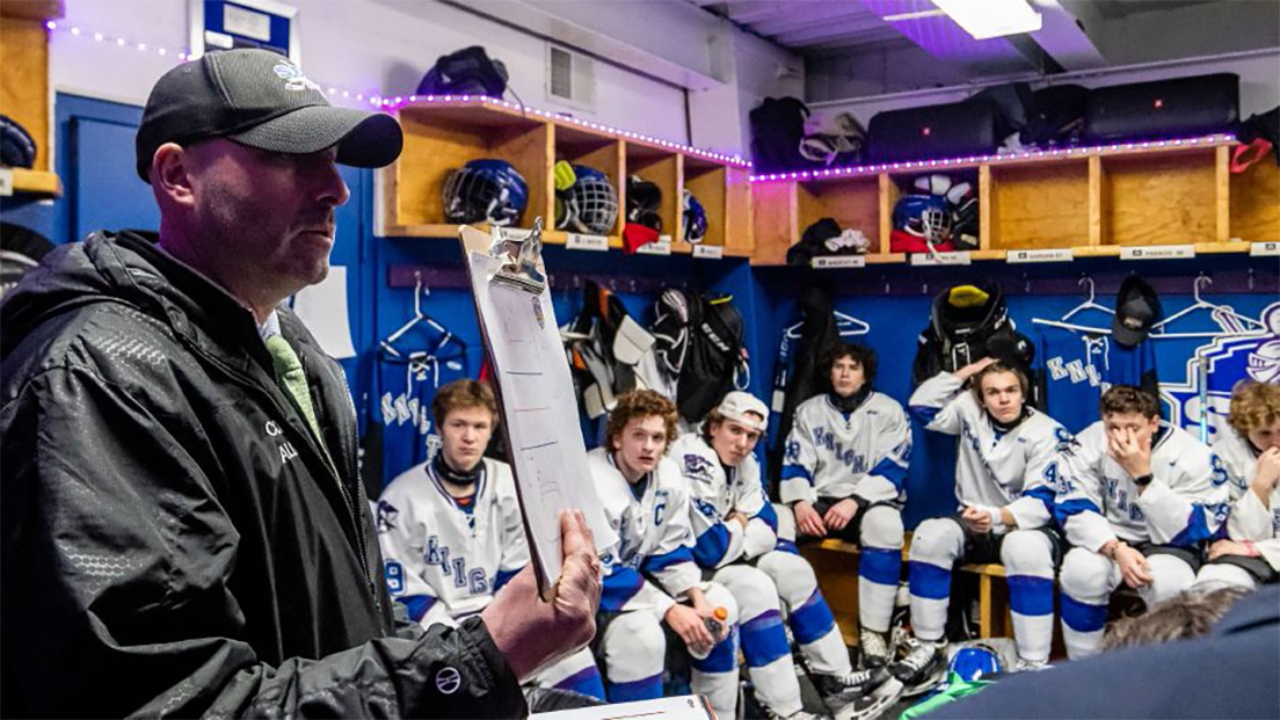
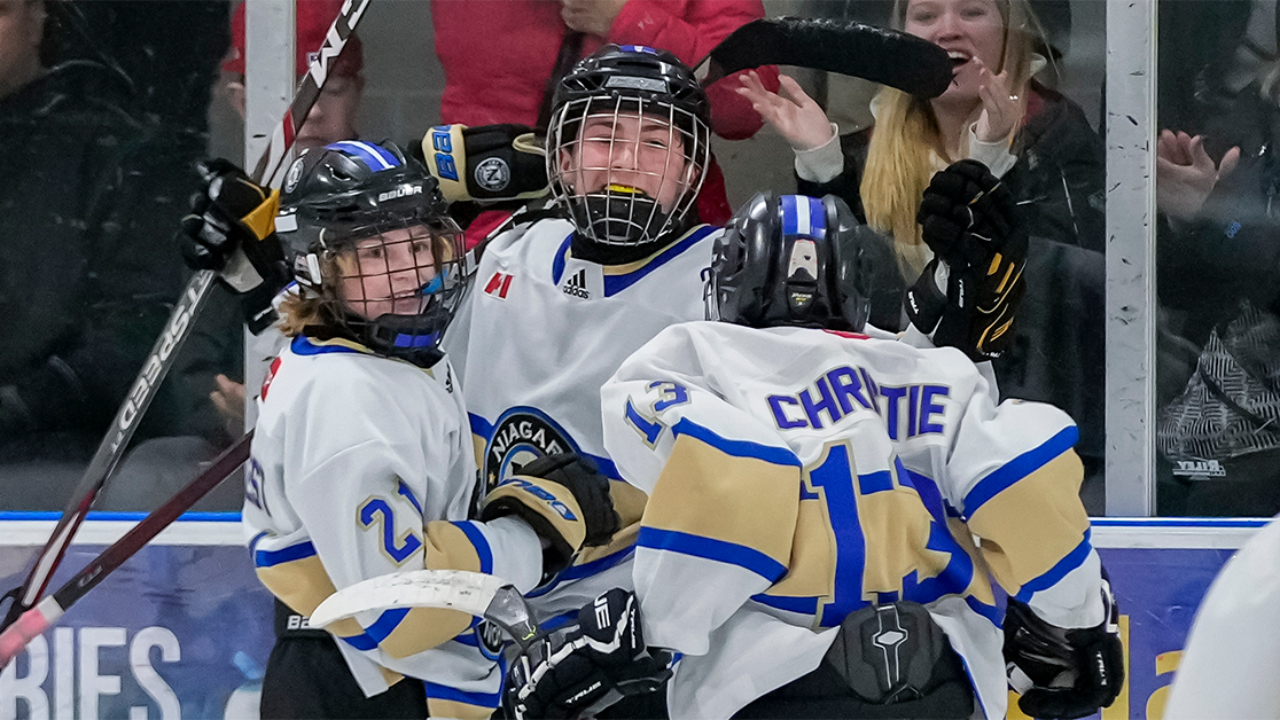
The season has come to an end. The day to day grind for players, coaches, and everyone involved comes to a halt. Practices stop, no more pregame meetings, no more video sessions. Just like that, it is over.
The end of a hockey season is always an interesting place. Every season is different, every team is different, but one thing is always the same. When it ends, it ends. You have had your last practice, your last game, your last time in the locker room as that group, and it feels a little weird.
As athletes, and really just as creatures of habit, we are used to structure. We are used to showing up every day, competing, and being around the team. When that suddenly disappears, it feels off. We like to let the season settle for about a week, give players and coaches time to reflect, but sometimes you do not have that luxury. Players move on, move up, or head home.
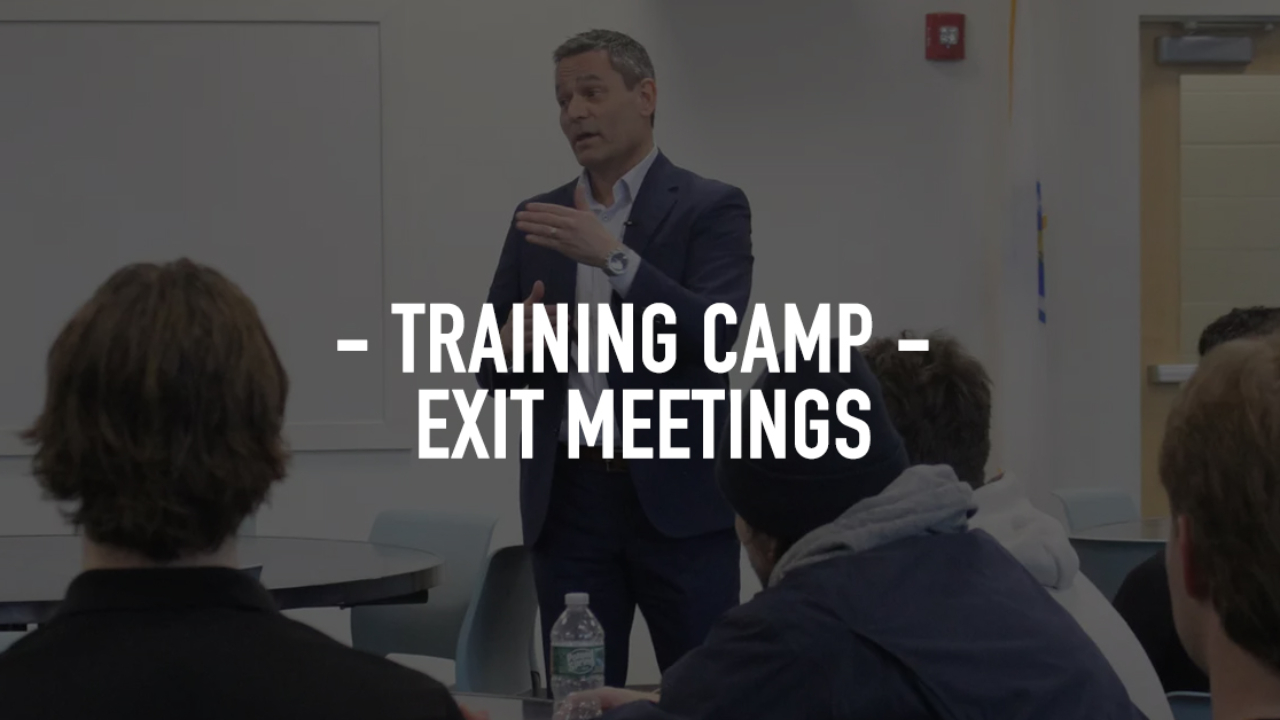
That is where exit meetings become extremely important and powerful for a program.
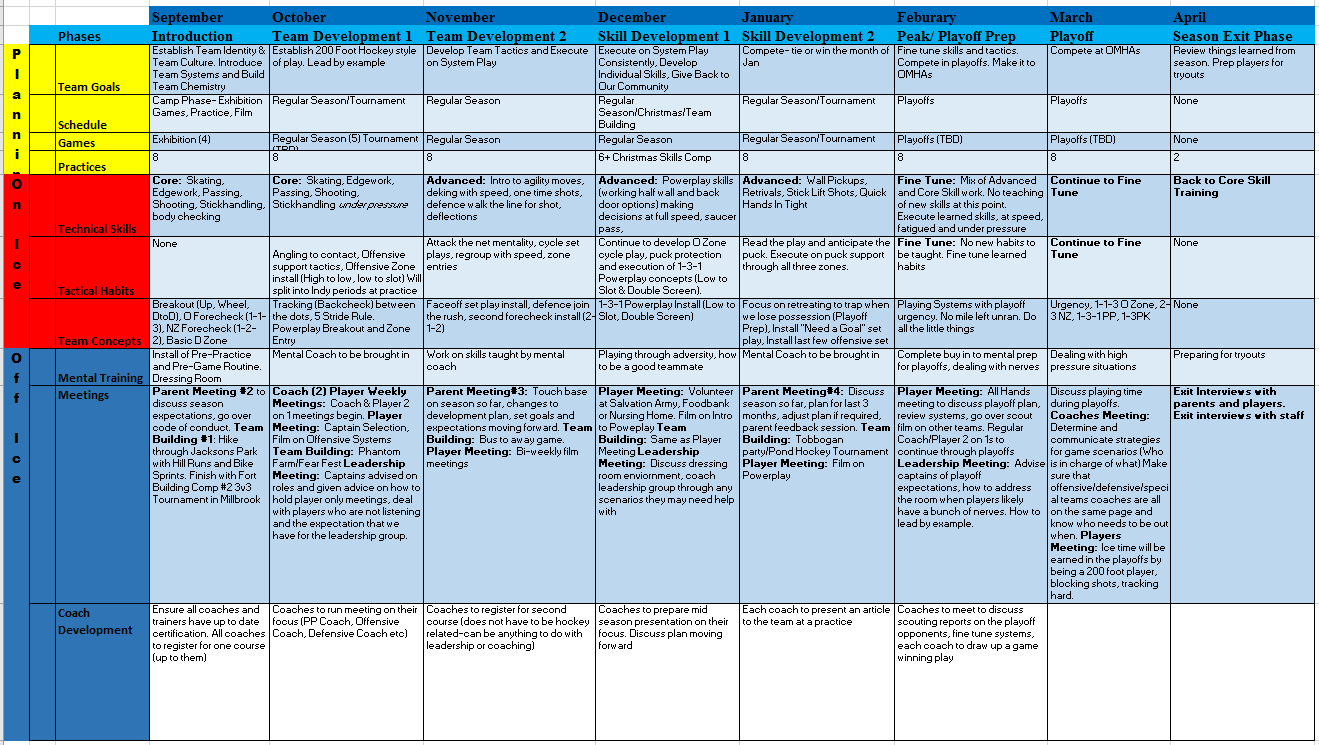
The season usually ends abruptly and often emotionally. Exit meetings give you a chance to wrap things up the right way. It is a chance to go over the season, reinforce what was learned, and give players direction moving forward. It is also an opportunity to clearly express what you have been saying and teaching all year in a way that sticks.
These meetings do not need to be long or complicated. Five to ten minutes is plenty. The key is keeping it simple, clear, and consistent so players actually take something with them.
A good conversation should follow a simple structure. Start with something they did well and be specific so it means something. Not just that they worked hard, but how they improved or what they brought to the team. Move into what they need to improve, keeping it to one or two things so it stays focused and actionable. From there, give them a plan for the offseason so they know exactly what to work on. If it is skating, say it. If it is puck touches, strength, or compete level, say it. Then finish on a positive note so they leave with confidence and belief.
It is not about sugarcoating anything. Honesty matters in these conversations, and players respect it when it is delivered the right way. These meetings do not have to be all positive, but they should be consistent across the board. Every player has areas to improve, and that is part of development.
One part that often gets overlooked is letting the player talk. Coaches do not need to carry the entire conversation. Sometimes less is more. Ask a couple of simple questions and let them reflect. What did you feel good about this season, and what do you think you need to improve? You learn a lot about how they see themselves, and it helps them take ownership of their development.
The most important piece is where you leave it for next year. Every player should walk out of that meeting understanding that next season has already started. What they do in the offseason matters, and improvement leads to opportunity. Give them something to build on and a clear reason to stay motivated.
Another piece we believe in is sending players home with something tangible. A simple sheet with key points from the meeting, a few reminders, maybe a quote or two that sticks. Something they can look back on when the season feels far away.
It does not need to be complicated. It can be as simple as a few bullet points. Work on your skating. Get touches every day. Stay consistent in the weight room. Stay away from distractions. Small reminders that keep them on track.
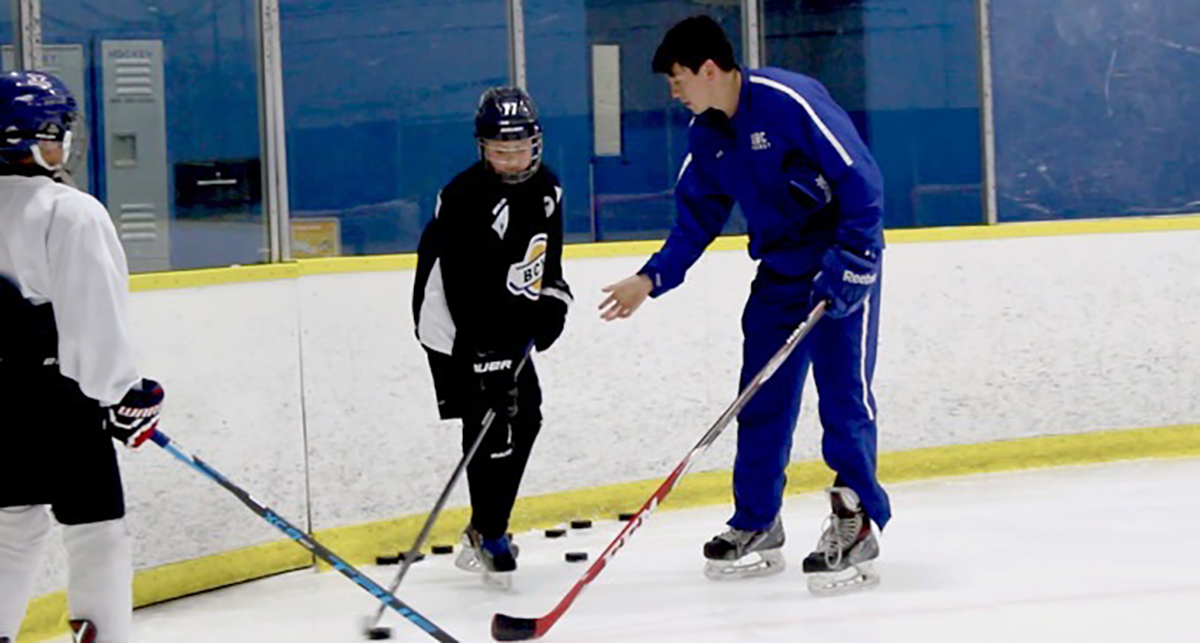
There is real value in that. Individual success leads to team success, and the offseason is where a lot of that is built. What a player does when no one is watching usually shows up when the season starts again.
It also raises a good question for coaches. What are you sending your players home with? Is it just a conversation, or are you giving them something they can come back to? Homework over the summer, a plan, or at least a direction?
Seasons end fast, but the players who continue to get better are the ones who leave with a plan. That is our job as coaches, to make sure they have one.
A few simple examples of how this can sound in a meeting:
You became one of our most reliable players in the defensive zone. You were in the right spots, and we trusted you late in games. This offseason, focus on your first three strides and getting quicker out of stops. If you come back faster, you are putting yourself in a much bigger role next year.
You competed at a high level all season, and it showed, especially in puck battles. The next step for you is getting more comfortable with the puck under pressure. Spend time this offseason handling pucks, small area work, and making plays in tight. That will open up your game a lot.
You improved a lot as the season went on, and your confidence started to show. Keep building on that. This offseason, get as many touches as you can and keep working on your shot. Come back ready to use it more because you have it.
These do not need to be perfect speeches. They just need to be real, clear, and consistent. Players remember simple and specific messages a lot more than long conversations.