A half second into the first clip of Erik Karlsson passing the puck, the key element to the rest of this dive became obvious. It’s not always like that. When I wrote about Columbus’s rapid rise under Rick Bowness, I didn’t know exactly what I was looking for. Ditto for Buffalo earlier. For those dives, it took time for patterns to emerge in front of my eyeballs.
But not with Erik Karlsson. Like I said, a half second is all it took.
Keep Your Stick on the Ice
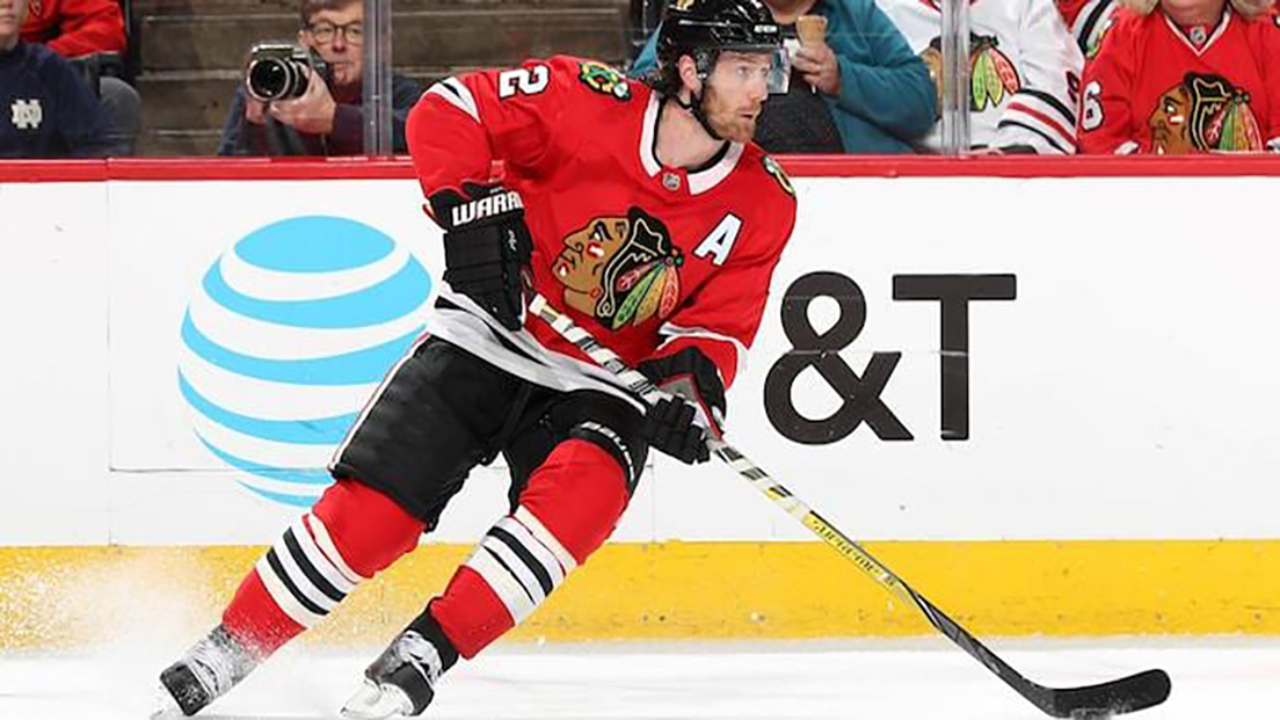
Erik Karlsson wants the puck, and he communicates that to his teammates with a simple habit: his stick is on the ice. He’s pass-ready. Talking is helpful, but it’s Karlsson’s body language that does the job.
When he’s retrieving, you can see how actively he scans the ice behind him before corralling the loose puck, which leads to another habit.
Move the Puck, Improve the Condition of the Puck
If Karlsson has a teammate in a more advantageous position than him, he moves the puck. A lot of young defencemen default to skating it on their own. It’s a mindset. Karlsson wants to win, so he moves the puck, or he skates it if he has room. When a defenceman needs to improve their hockey IQ, this is what we’re talking about. Take the ice in front of you, but move the puck. Erik Karlsson is one of the best to ever do it, and he’s carrying the Penguins on his back during a season where superstars Sidney Crosby and Evgeni Malkin have missed significant time due to injuries.
Eyes Up
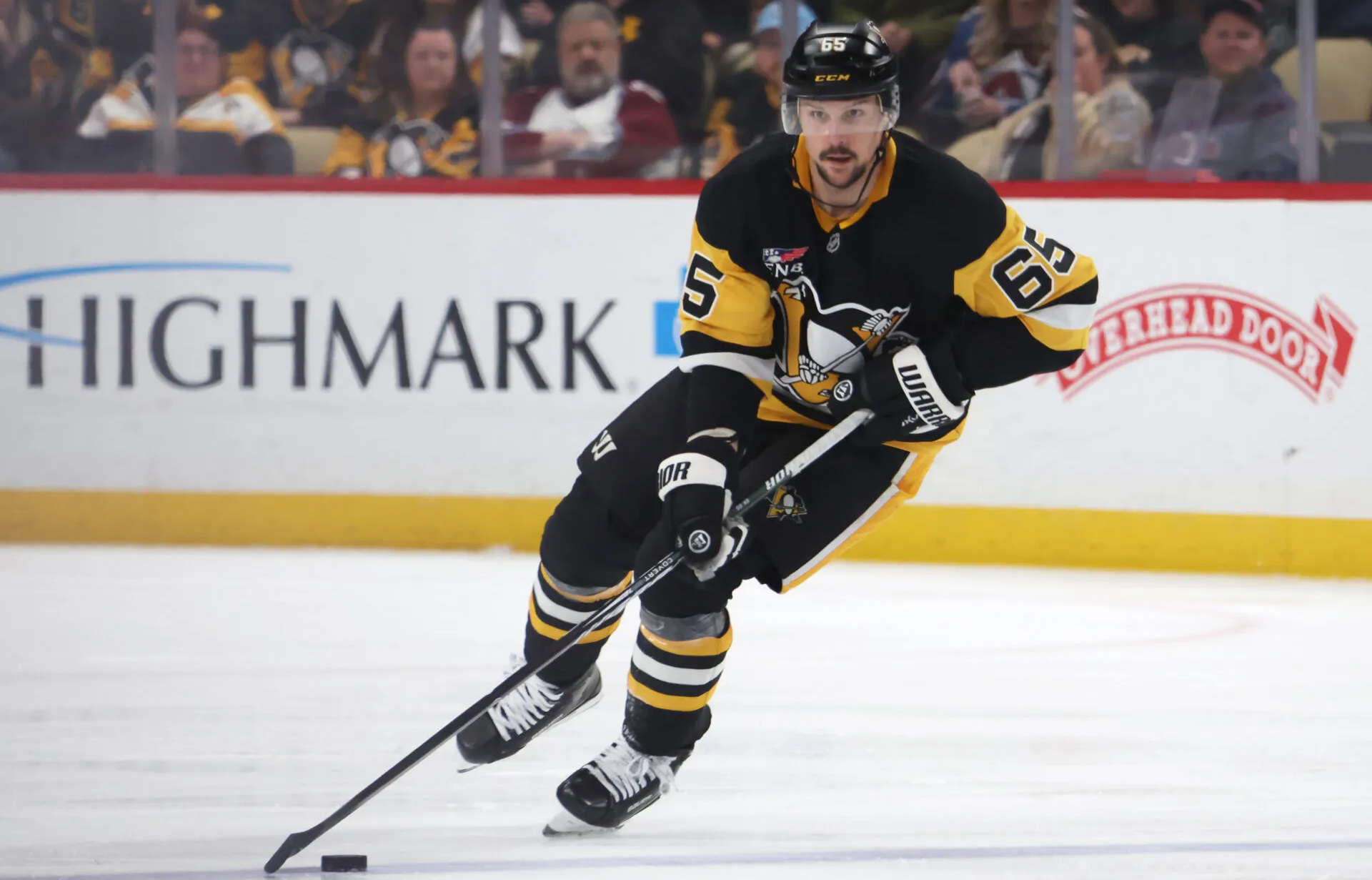
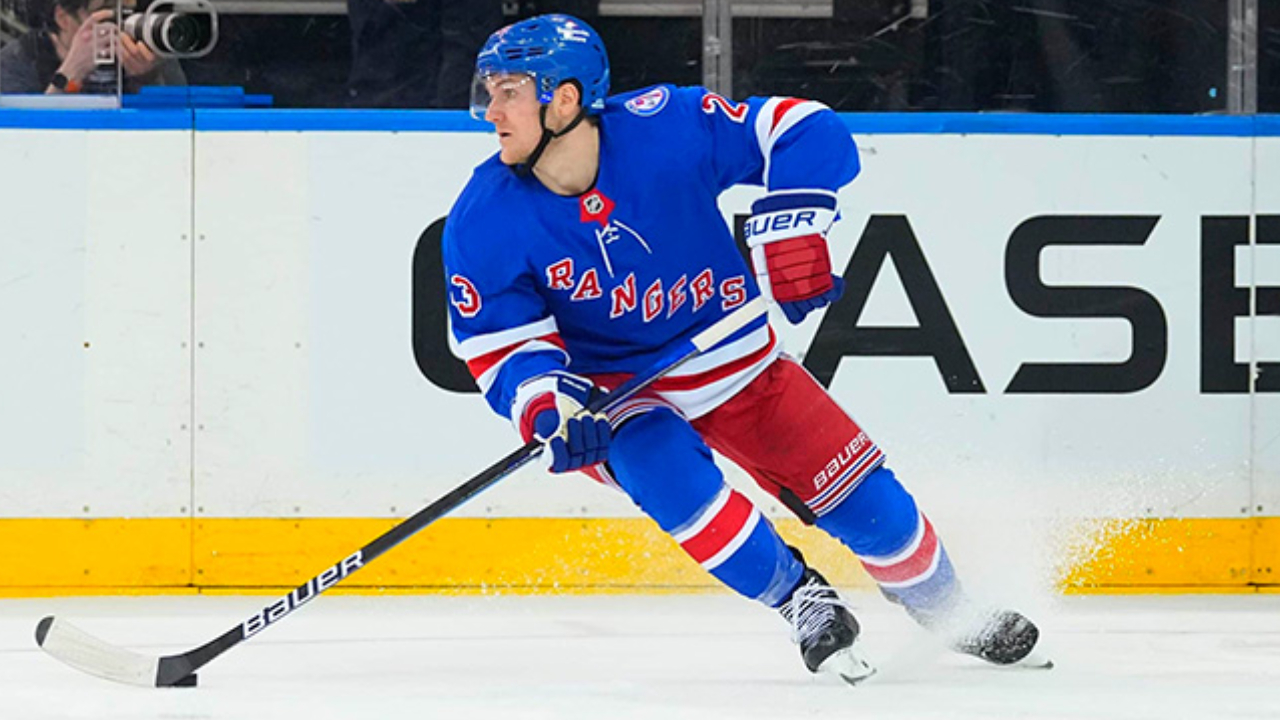
Young players who try to model their game after Connor McDavid or Cale Makar are setting themselves up for disappointment. It’s impossible to duplicate their skills, though of course it’s valuable (and fun) to try. Not so with Karlsson. Adam Fox in New York would be another good example. With Karlsson at this stage of his career, it’s all about habits: pass-ready without the puck, effective scanning without the puck, a pass threat with the puck, and more often than not, the right decision is made.
In a five-game stretch in April 2026, with a playoff berth on the line, the Penguins scored 30 goals in five games, including 27 goals in four wins during that stretch.
Watch how Karlsson is contributing to the offence. These clips are sorted by breakouts (via HUDL/Instat), and I added his goals and assists as well. He might not have the same dash up the ice he had in Ottawa and San Jose, but the poise he’s demonstrating is an excellent example to show your defencemen, regardless of age or level.
- One giveaway that he instantly fixes
- Always ready to move it, always a threat to move it
- Patient with the puck, uses his time and space
- Sometimes he has to flip it out, that’s fine, take the fight to the neutral zone
- After 25 or so touches, there are only one or two mistakes (blatant ones, but still)
- Sometimes he’s barely moving, he’s just looking up ice with the puck on his stick, ready to move it north
The message for young defencemen: you will need to pass the puck a lot for it to turn into points. So don’t worry about points, worry about habits.
The funny thing is that when you do that, the points will come as a result of the process anyway.