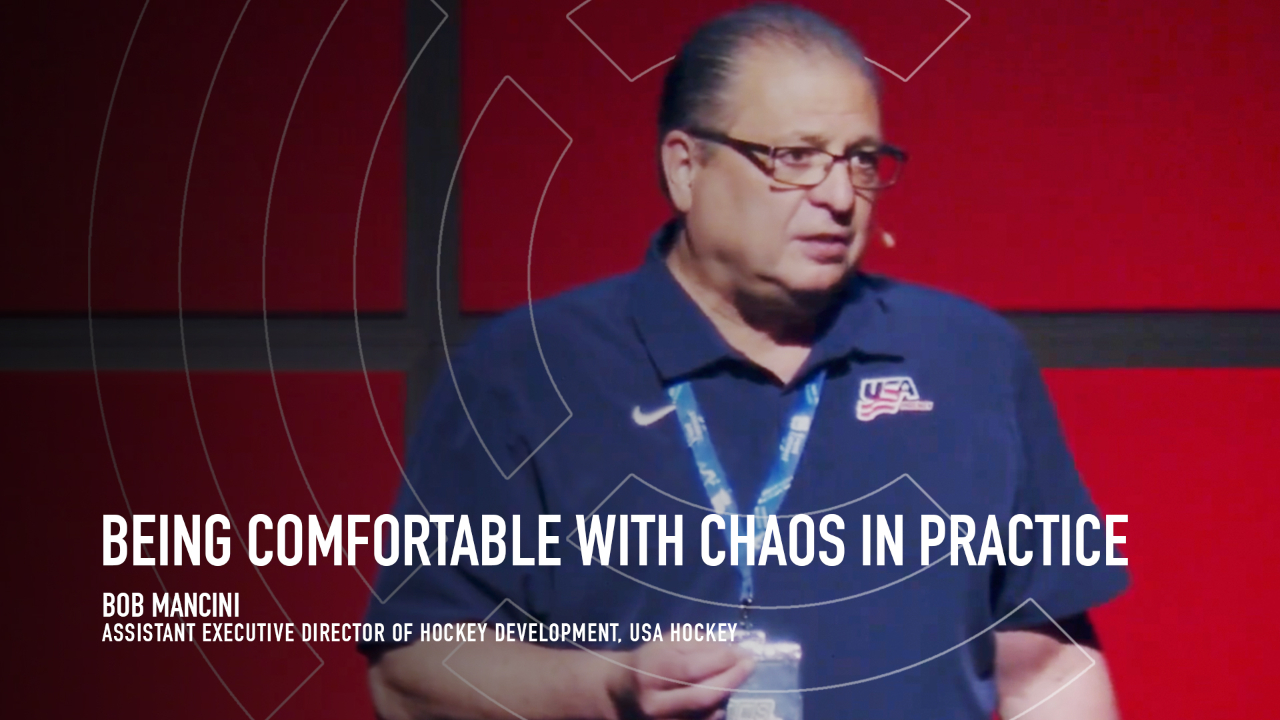

Bob Mancini, Assistant Executive Director of Hockey Development at USA Hockey, took to the TCS Live Main Stage on Day 1 for a presentation that emphasized the importance in coaching of creating environments that foster player development.
As other presenters have been highlighting throughout TCS Live, Mancini stressed the unpredictability of hockey games and how situational practice is key to putting your team in winning situations.
Mancini’s approach to what he refers to as “coaching to achieve” is that the hockey coach should never aim to be a director or a dictator - a good hockey coach, says Mancini, is a conductor.
“We have to start thinking of ourselves as conductors, we’re not there to tell our players what they should do. We’re there to accompany them on their journey, because their journey will be different for each one of them. Help them navigate the path.”
The unpredictability of hockey, and how a team responds to it, can make or break a single game, or an entire season. Even at the highest level of the sport, inopportune things - bad turnovers, missed open nets, ugly defensive breakdowns - can and do happen.
That’s hockey.
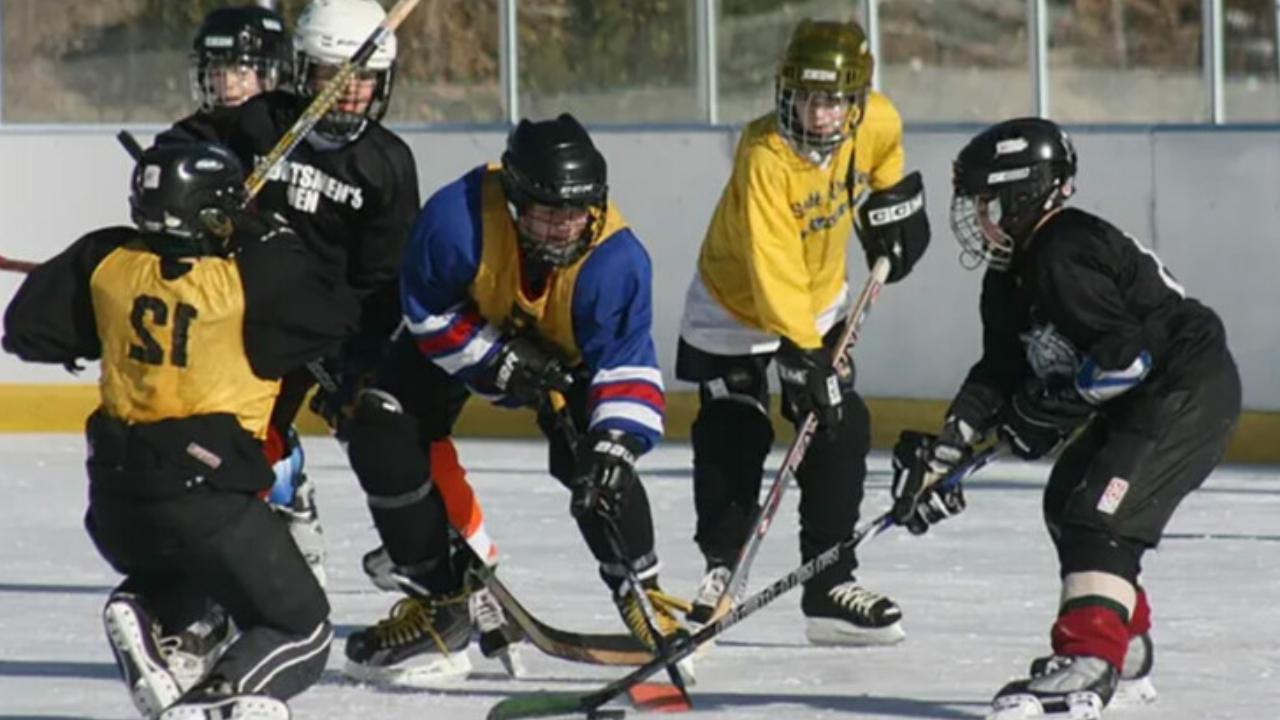
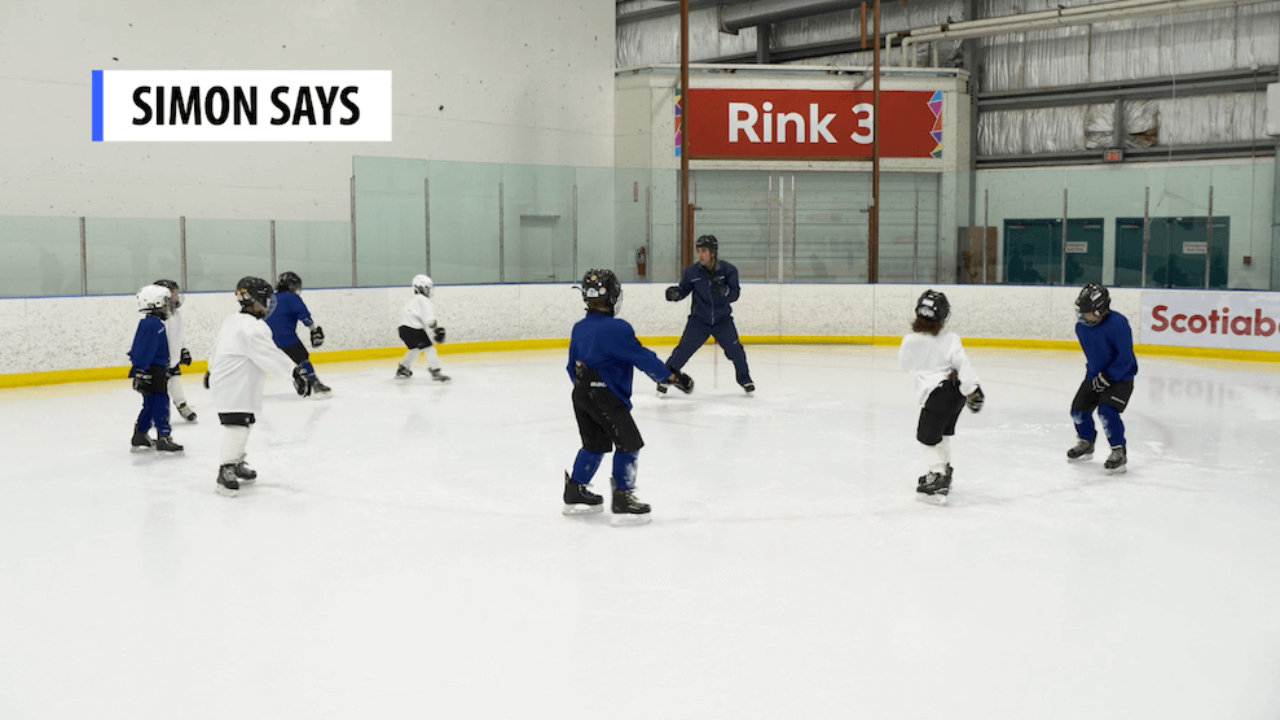
A good team, and good players, says Mancini, are defined by how they respond when hockey happens. You can’t script any of the one-in-a-million events that can take place over the course of a season, but you can work to create an in-practice environment that prepares your players for these events as much as possible. Mancini says that the most effective way to do this is to structure your practices around real-game situations. Throw three players on each blue line, drop a puck, and say “play.” Favour broader instruction over hyper-specific steps for each player to follow. Encourage them to follow their instincts and anticipate plays. Creating that environment in practice will, in turn, reflect in your team’s play on the ice.
Consciously creating the right environment is the most powerful way a coach can influence their players, says Mancini.
“A well-designed environment, if you’re a conductor, sets the tone for every practice, every game, and the entire season.”