
Three years, no Cup and time is starting to work against the Oilers.
What once looked like the start of a dynasty is now a closing window, with the same problems showing up year after year.
1. Goaltending Hasn’t Proven It Can Steal a Series
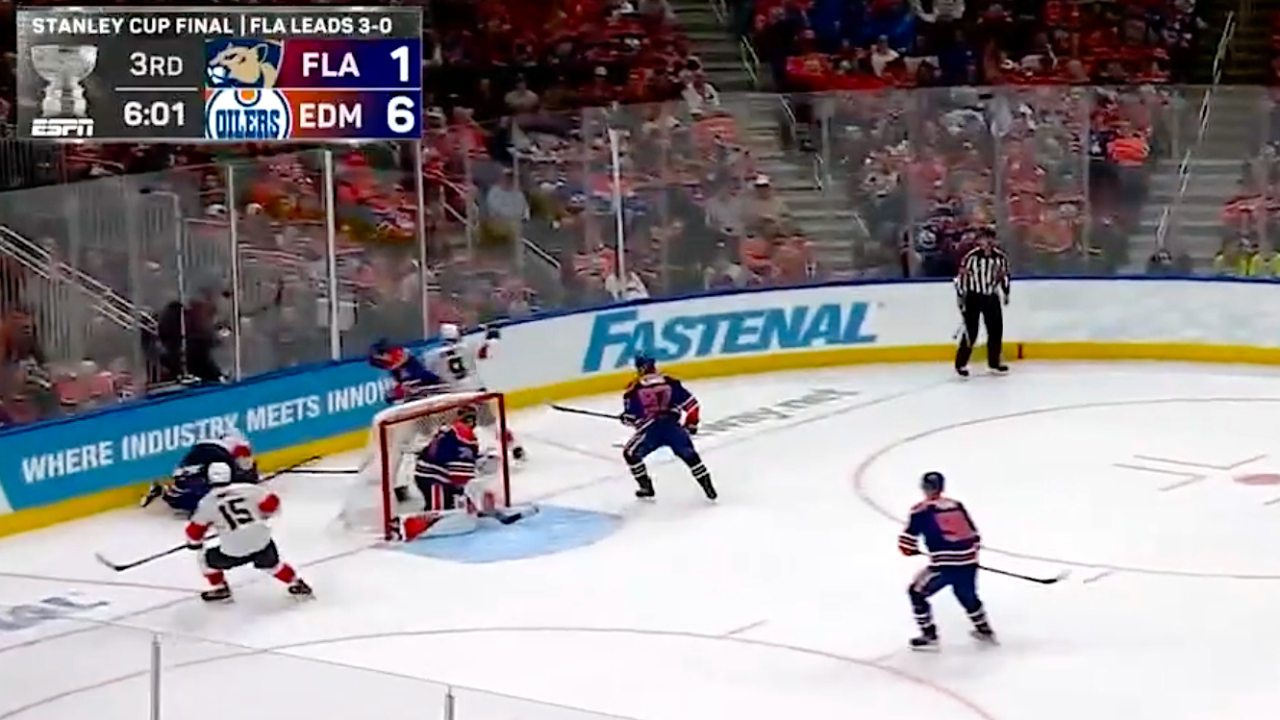
The biggest concern with the Oilers’ goaltending isn’t just the goals that go in, it’s how often routine plays turn into uncertainty.
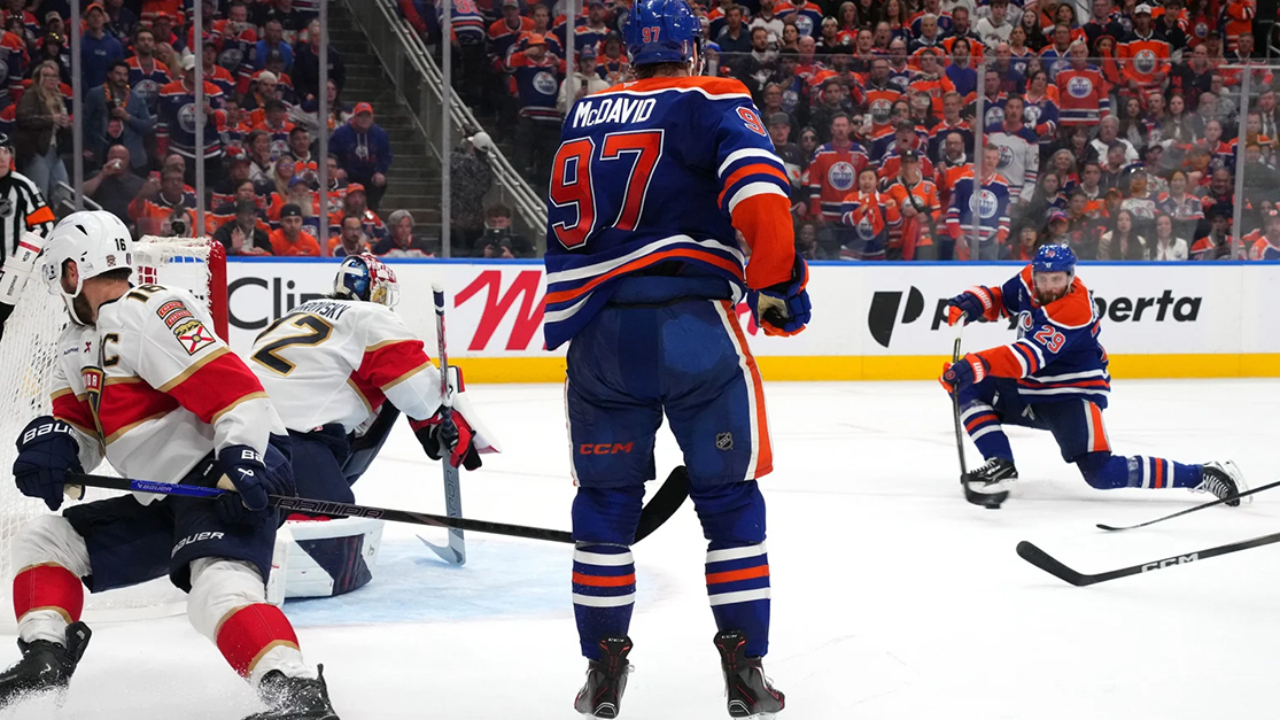
Stanley Cup winning teams are built on stability in net. During Florida’s 2024 Cup run, Sergei Bobrovsky posted a 2.32 GAA, consistently giving his team predictable, reliable goaltending in key moments.
In this clip, the play starts as a non-threatening shot, the kind that should be handled cleanly without much concern. Instead, it turns into a situation where everyone is asking the same question: did that actually go in?
It ends up being the overtime winner that loses them the game.
That’s the issue.
In the playoffs, those moments can’t exist. Routine saves need to be exactly that, routine. When a harmless play turns into a questionable goal, especially one that decides the game, it creates doubt, shifts momentum, and puts the team in a position it didn’t need to be in.
It’s not about one goal, it’s about what that moment represents. Championship teams get goaltending that removes uncertainty. Until the Oilers consistently get those clean, no-doubt saves on low-danger chances, it remains a real concern in a playoff environment.
2. Defensive Zone Structure Breaks Down Too Easily
If the Oilers’ goaltending leaves too much room for question, a big part of that starts with what’s happening in front of them.
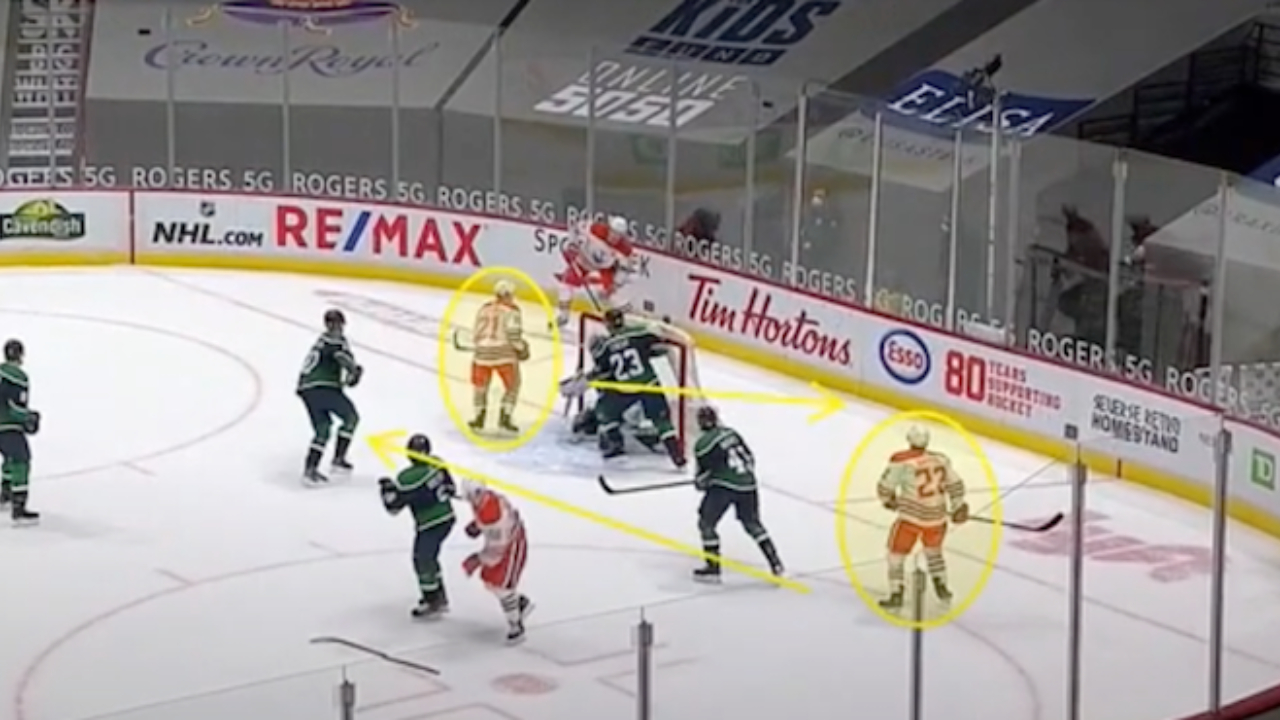
In this clip, the issue isn’t just one mistake, it’s a complete breakdown of structure.
One player is in the correct position, but around him everything starts to unravel. One defenseman cheats down the wall to cut off the release, leaving the Ducks forward unchecked in front. At the same time, another player drifts too far out of the play, eliminating any support layer. On the weak side, there’s no awareness of two open options, allowing a dangerous outlet to develop. To compound the issue, coverage breaks down further as a defender picks up the wrong assignment entirely.
What should be a controlled, low-danger situation quickly turns into chaos.
This is where playoff hockey exposes teams. It’s not always the high-end chances that beat you, it’s the small breakdowns in structure that create confusion and open space. When multiple players are reading the play differently, it forces the goaltender into situations they shouldn’t have to deal with.
And that’s the connection: when defensive coverage breaks down like this, even “non-threatening” plays can turn into goals or, worse, game-deciding moments.
Against deeper, more structured teams, these kinds of lapses don’t just happen once,, they get targeted over and over again. Until the Oilers consistently clean up their defensive zone coverage, it remains a major obstacle in any Stanley Cup run.
3. An Offense-First Mindset Creates Too Many Odd-Man Rushes
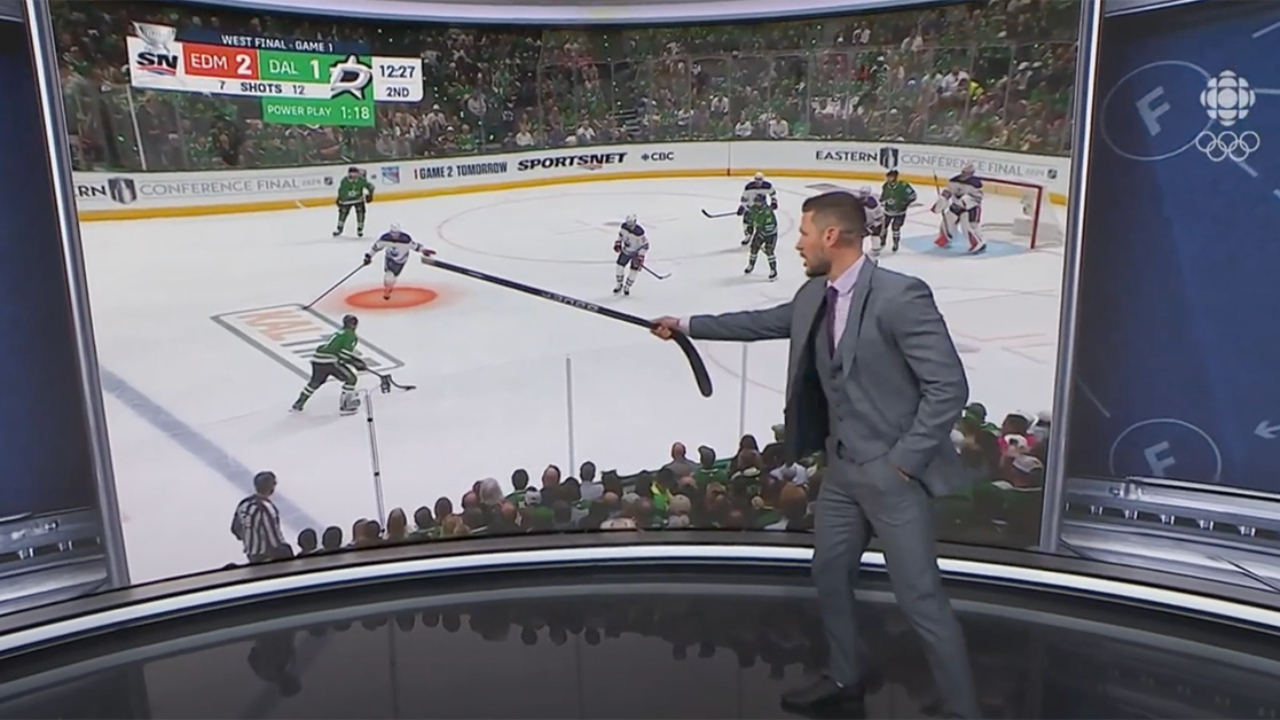
The Oilers’ ability to generate offense is one of their biggest strengths, but it can also be one of their biggest weaknesses.
In this clip, you can see how quickly things turn the other way. As the play develops offensively, players push aggressively to create chances, but when possession is lost, there’s a lack of structure coming back through the middle of the ice.
That’s where the problem starts.
Instead of having layers in place to slow the rush, the opposition is able to transition quickly, turning the play into an odd-man rush. What should be a manageable situation for the defense becomes a high-danger chance simply because the team is caught leaning offensively.
This isn’t just about one play, it’s about identity.
High-powered offensive teams often walk a fine line, and in the regular season, that risk can pay off. But in the playoffs, teams are structured, patient, and ready to counter. Every turnover becomes an opportunity going the other way.
And when odd-man rushes happen consistently, it puts defensemen in difficult positions and forces the goaltender to make high-end saves repeatedly, something that’s hard to sustain over a long playoff run.
The Oilers don’t need to change who they are offensively, but until they consistently balance that attack with structure, it leaves them vulnerable in the exact moments playoff games are decided.
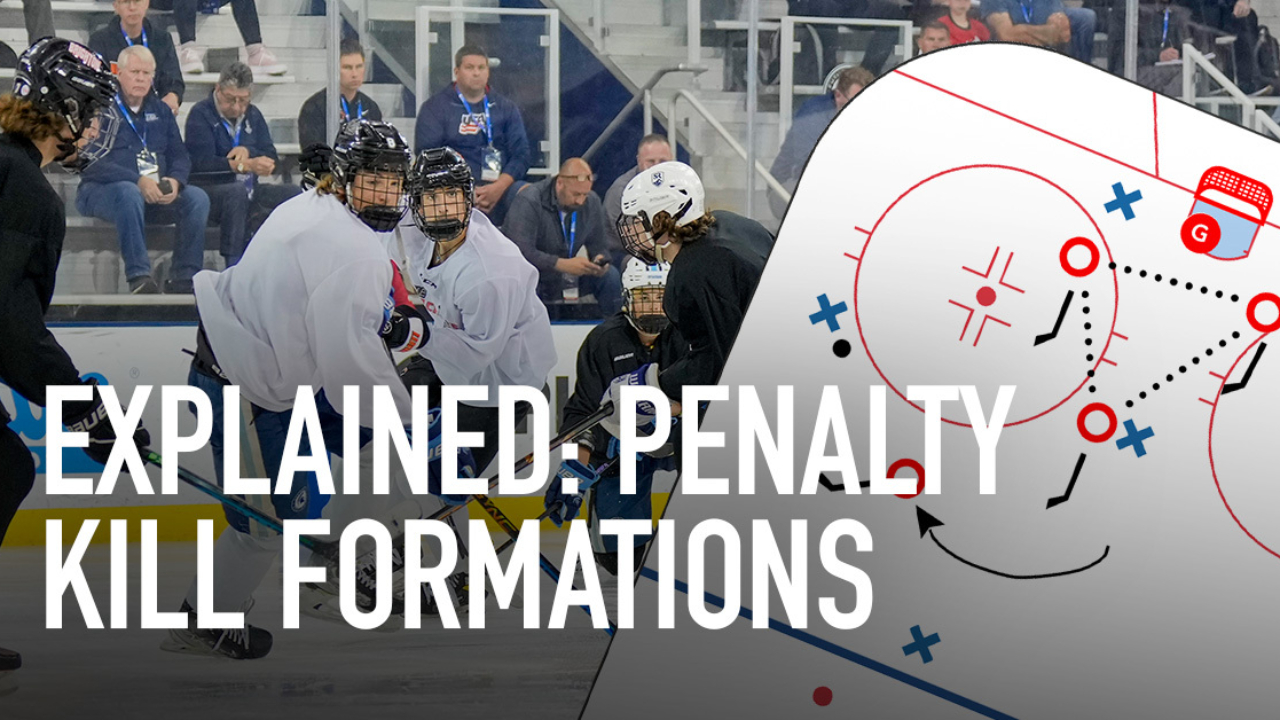
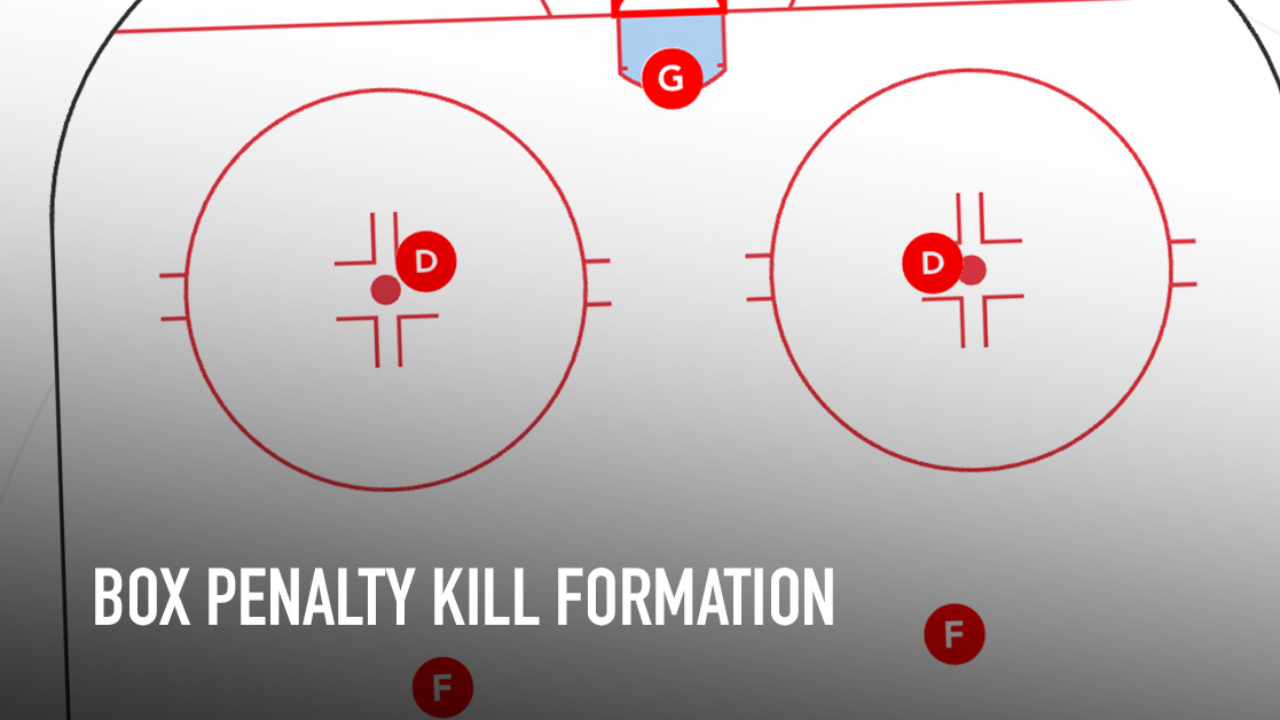
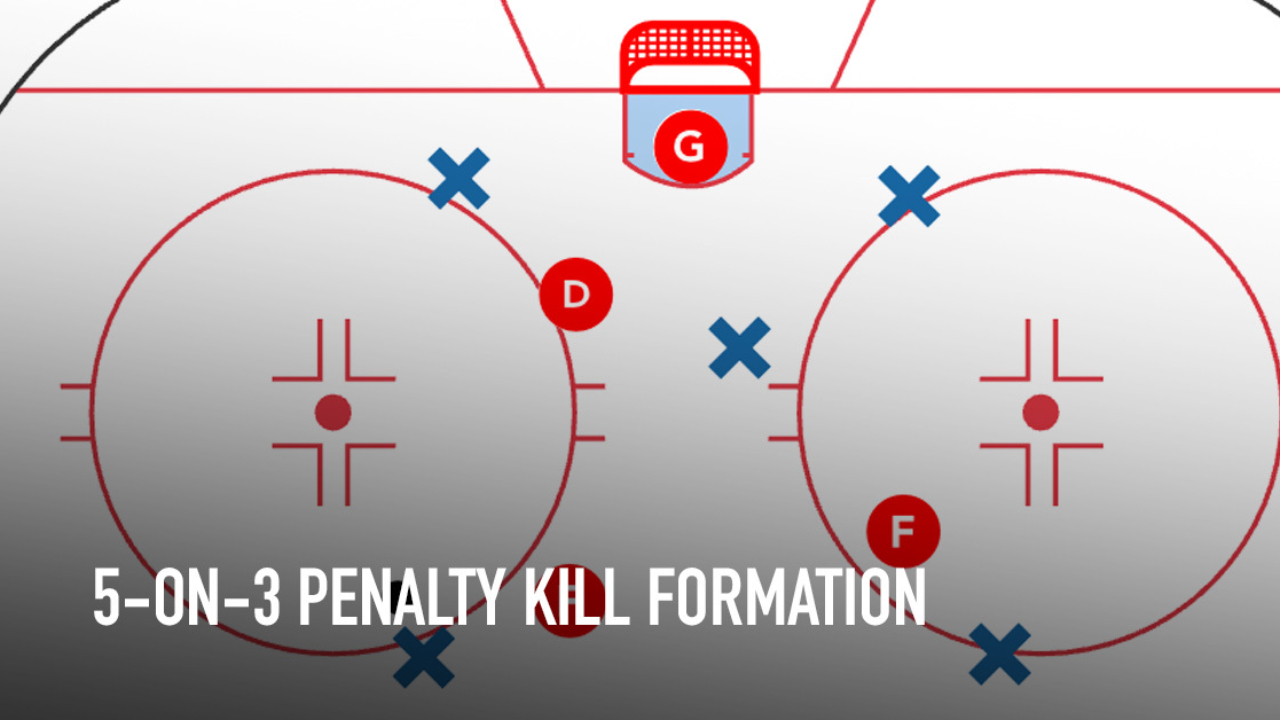
4. Penalty Kill Issues Add to Defensive Concerns
If the Oilers’ defensive issues at even strength weren’t enough, their penalty kill only made things worse.
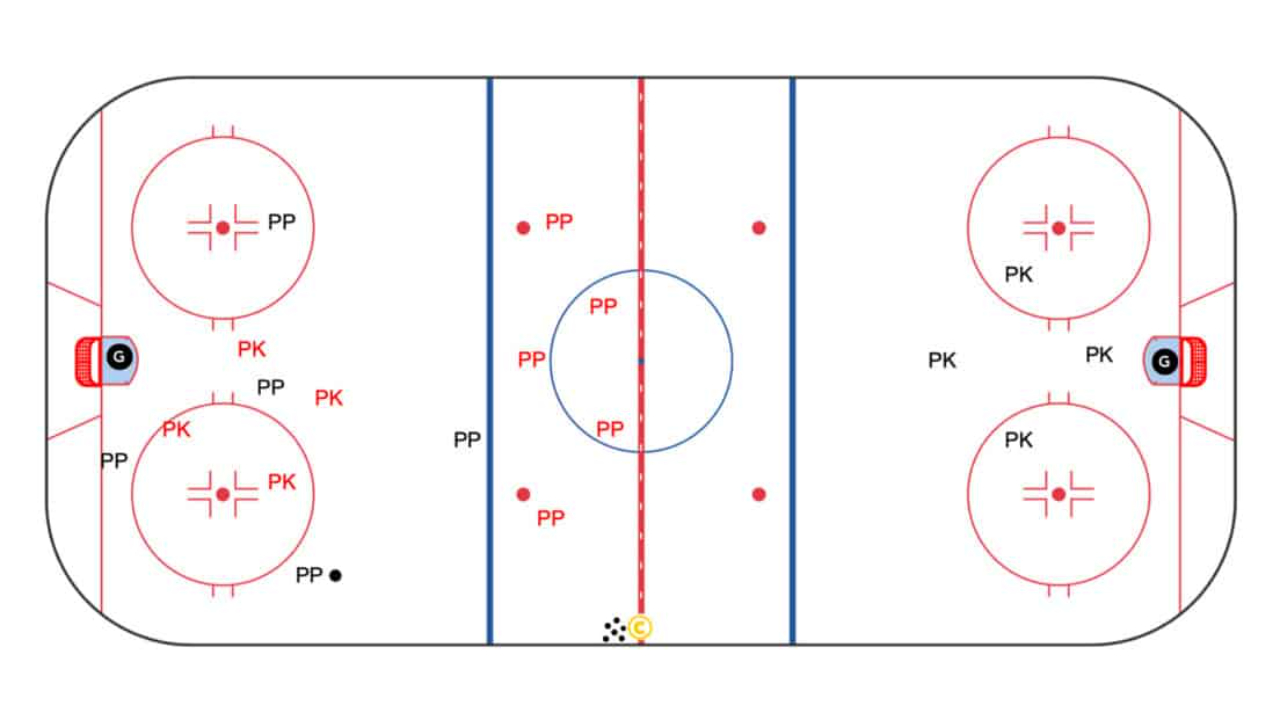
Against Anaheim, they allowed 8 goals on 16 opportunities, a 50% penalty kill rate. In playoff hockey, that’s not just a weakness, it’s a liability.
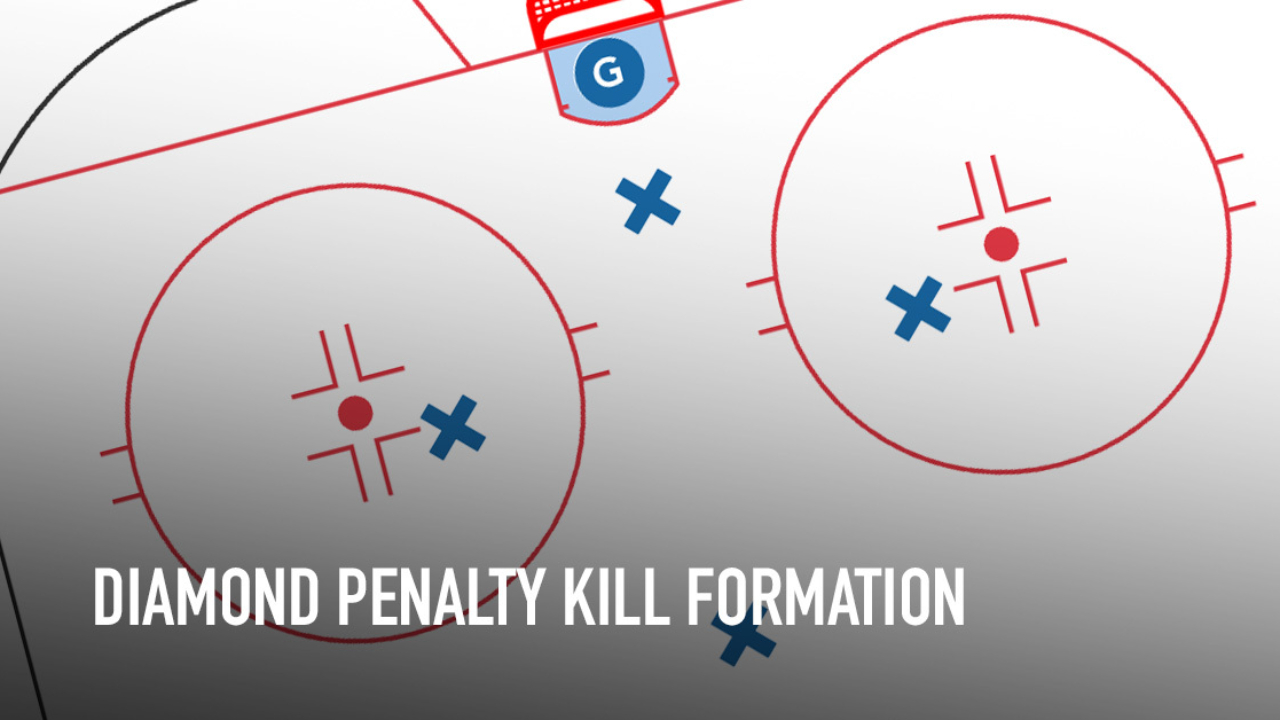
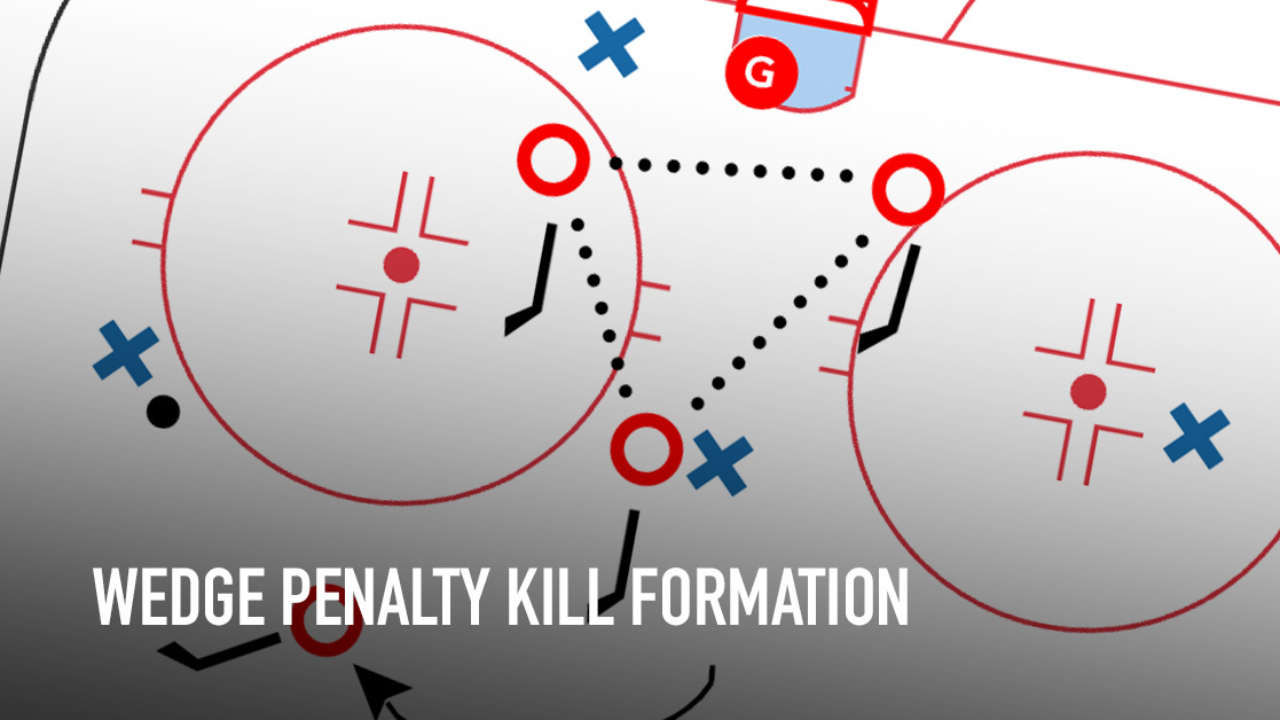
In this clip, you can see how quickly things break down while shorthanded. Coverage becomes loose, passing lanes open up, and the opposition is able to create a clean look that ends up in the back of the net. It’s the same pattern seen at 5-on-5 just amplified.
That’s what makes this so concerning.
A reliable penalty kill doesn’t just prevent goals, it stabilizes momentum. But when you’re giving up a goal on every second opportunity, it does the opposite. It puts your team on its heels and forces you to constantly chase the game.
More importantly, it reinforces the bigger issue. The same defensive inconsistencies that show up throughout their game, missed assignments, poor positioning, and a lack of structure, don’t disappear on the penalty kill. In fact, they become even more exposed.
In the playoffs, teams don’t need many chances to make you pay. And when your penalty kill is operating at that level, it becomes a major obstacle to winning a series, let alone a Stanley Cup.
5. Playoff Hockey Punishes Defensive Inconsistency
All of these issues ultimately point to one larger concern: inconsistency and playoff hockey doesn’t forgive it.
The Oilers have shown they can be dominant. They can outscore teams, generate offense, and take over games. But the playoffs are a different environment. Games tighten up, chances are harder to come by, and mistakes carry far greater consequences.
That’s where the difference shows up.
Whether it’s a questionable goal on a routine shot, a breakdown in defensive zone coverage, getting caught in transition leading to odd-man rushes, or allowing goals on the penalty kill, each of these moments becomes magnified in a playoff series.
Individually, they might seem manageable. Over the course of four rounds, they become the difference between advancing and being eliminated.
Championship teams aren’t perfect, but they are predictable. They limit mistakes, stay structured, and don’t beat themselves. Right now, the Oilers haven’t consistently shown that level of control in their game.
And in the playoffs, that’s what gets exposed.