Imagine a teacher walking into a classroom on the first day of school with no curriculum. Each morning, the teacher teaches whatever seems interesting or convenient. Students stay busy and lessons get delivered, but nothing connects one lesson to the next. There is activity, but no progression of learning.
Now consider how many youth hockey coaches approach a season.
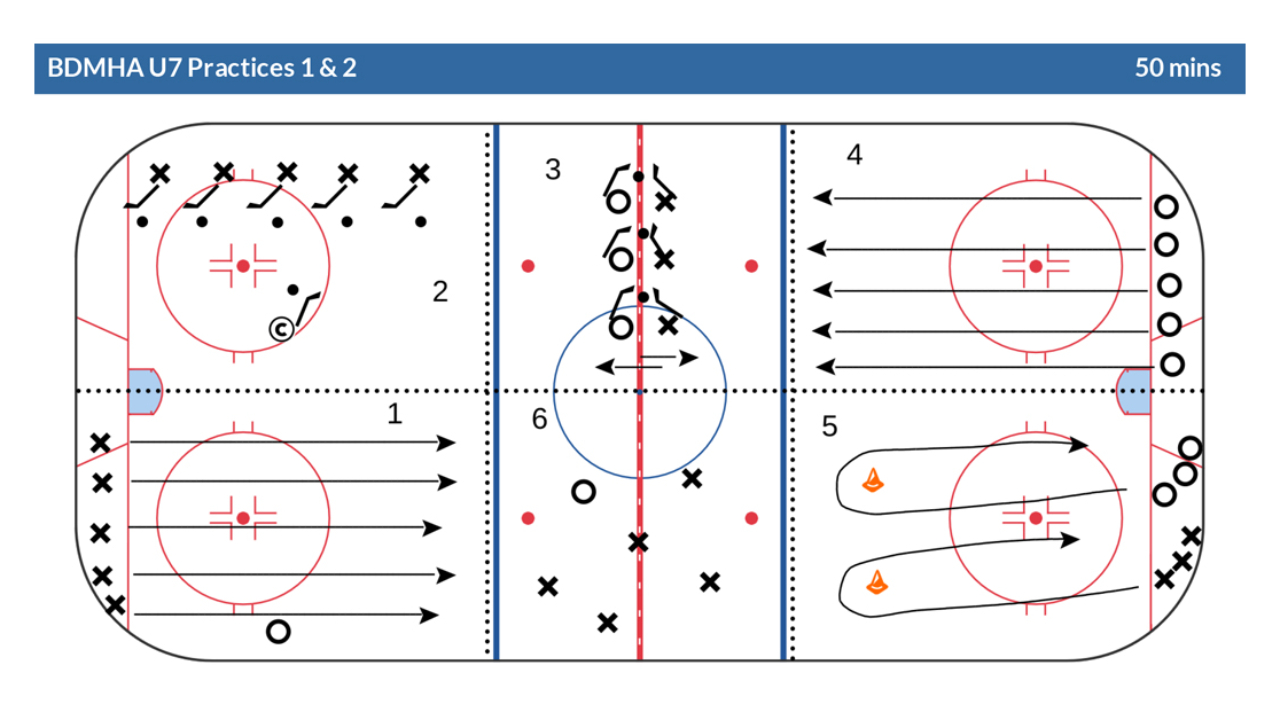
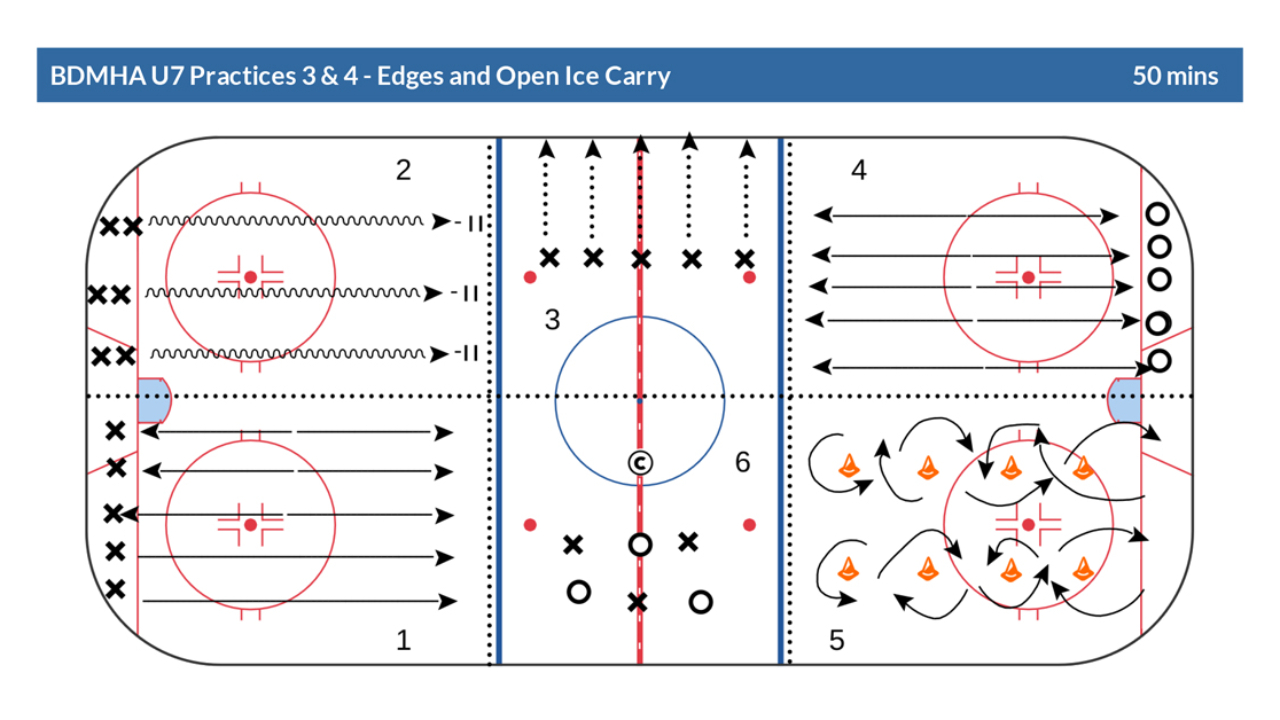
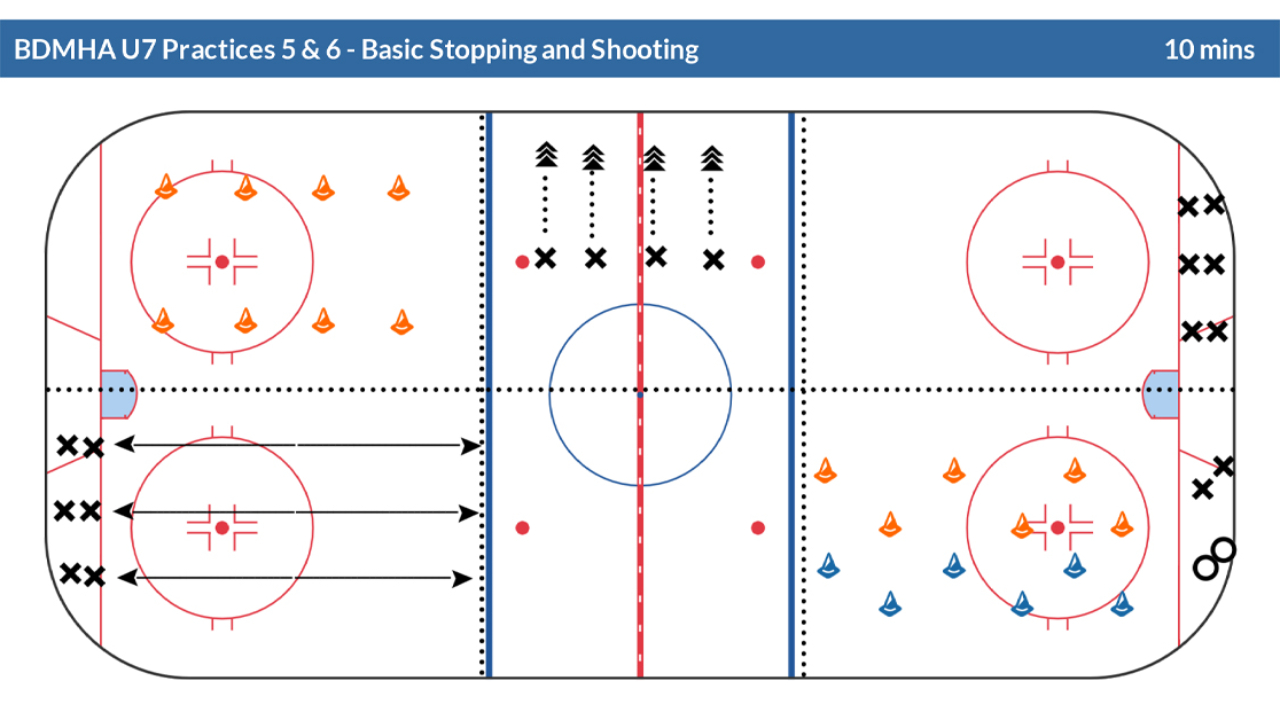
They arrive with a whistle, a bucket of pucks, and maybe a practice plan. Players skate, run drills, and leave exhausted. The coach feels productive because the practice was organized and everyone worked hard.
But what did the players actually learn? How does tonight connect to last week, or to next week? What should they be able to do by the end of the season?
A practice plan tells you what you intend to accomplish today. A curriculum establishes what players need to learn over time and how each practice contributes. Too many coaches invest hours in individual practices without ever building the curriculum that gives those practices a purpose.
Teaching vs. Developing
Without a curriculum, practices become reactionary. The team gives up several odd-man rushes in Saturday's game, so Tuesday’s practice focuses on forecheck structure. The next week the offense sputters, so the focus shifts to offensive zone systems. A few players struggle skating, so a skating practice gets dropped in.
Responding to weaknesses is part of coaching. The problem is when immediate concerns dictate the entire developmental agenda.
A curriculum separates what needs attention now from what players need to learn over the season. It sets the progression, makes sure fundamentals come first, and connects individual skills to more complex concepts. Practices stop being standalone events and start building on each other.
Building a Season With Purpose
A curriculum is not a rigid schedule. It is a set of developmental priorities and a sense of how they should evolve.
Early in the season, a coach might emphasize skating fundamentals: edge control, balance, coordination, and puck control. Next come puck protection, attacking space, support, and small-area decision-making. As the season progresses, those same skills are executed at greater speed, under more pressure, and in more complex game situations, connecting individual ability to tactical understanding and team play. Late in the season, the focus shifts to consistency and to applying everything in competitive situations.
These are not separate stages where one area disappears as another arrives. Skating still matters when you teach advanced concepts, and puck skills still matter in the playoffs. Development is cumulative. The emphasis changes, but the earlier work stays in the mix.
You Don’t Need a Perfect Plan
Many youth hockey coaches are volunteers balancing jobs and families. Some organizations provide developmental guidelines; others leave coaches on their own. A curriculum shouldn’t be another administrative burden.
Start with three questions: What skills should my players develop this season? What concepts should they understand? How will I introduce, reinforce, and build on each one?
A simple monthly outline is enough. You don’t need more ice time to become a more intentional coach. You need a clearer idea of what you’re trying to accomplish with the time you already have.
Turning the Curriculum Into a Plan
A Skill and Concept Matrix is a practical tool. It’s a basic grid: skills, tactical concepts, and team principles down the side, weeks or months across the top. For each item, mark when it will be introduced, developed, reinforced, and revisited.
If linear crossovers and lateral stickhandling are September priorities, they go in the September columns. Your practice plans then become the vehicles for teaching them.
The matrix also gives you a way to evaluate your coaching:
• Progression: Are you teaching edge control before asking for advanced turns and transitions? Are individual puck skills in place before you ask players to use them in complex situations?
• Repetition: A skill taught once and never revisited won’t become reliable. The matrix keeps important skills from vanishing when the next priority arrives.
• Accountability: Can players actually execute what you’ve taught? If not, does the curriculum need adjusting, or do they need more time?
The goal isn’t to check boxes. It’s to connect instruction to development.
Staying the Course When Things Get Messy
There will be terrible practices. There will be weekends when players look like they forgot everything. There will be losing stretches when outside pressure tempts you to abandon the plan for whatever might produce a quick result.
This is where a curriculum earns its value. It gives you a framework for making decisions instead of reacting to every setback. Maybe a foundational skill needs revisiting. Maybe a concept needs to be introduced differently. Maybe players just need more reps.
A curriculum isn’t an excuse to ignore problems or follow a schedule blindly. The best coaches know the difference between adjusting the plan and abandoning the process.
Your players deserve an education, not just a workout. Before you write your next practice plan, ask yourself: What am I trying to teach this season, and how does tonight’s practice move my players closer to it?
If you can’t answer, you have a practice plan. You don’t yet have a curriculum.
A Real Life Example
Attached is an example of a curriculum I used for my 12U team last season. I incorporated all aspects of on-ice and off-ice development. Yours doesn't have to be this elaborate but it is absolutely worthwhile to have a plan. You and your players will be better for it.