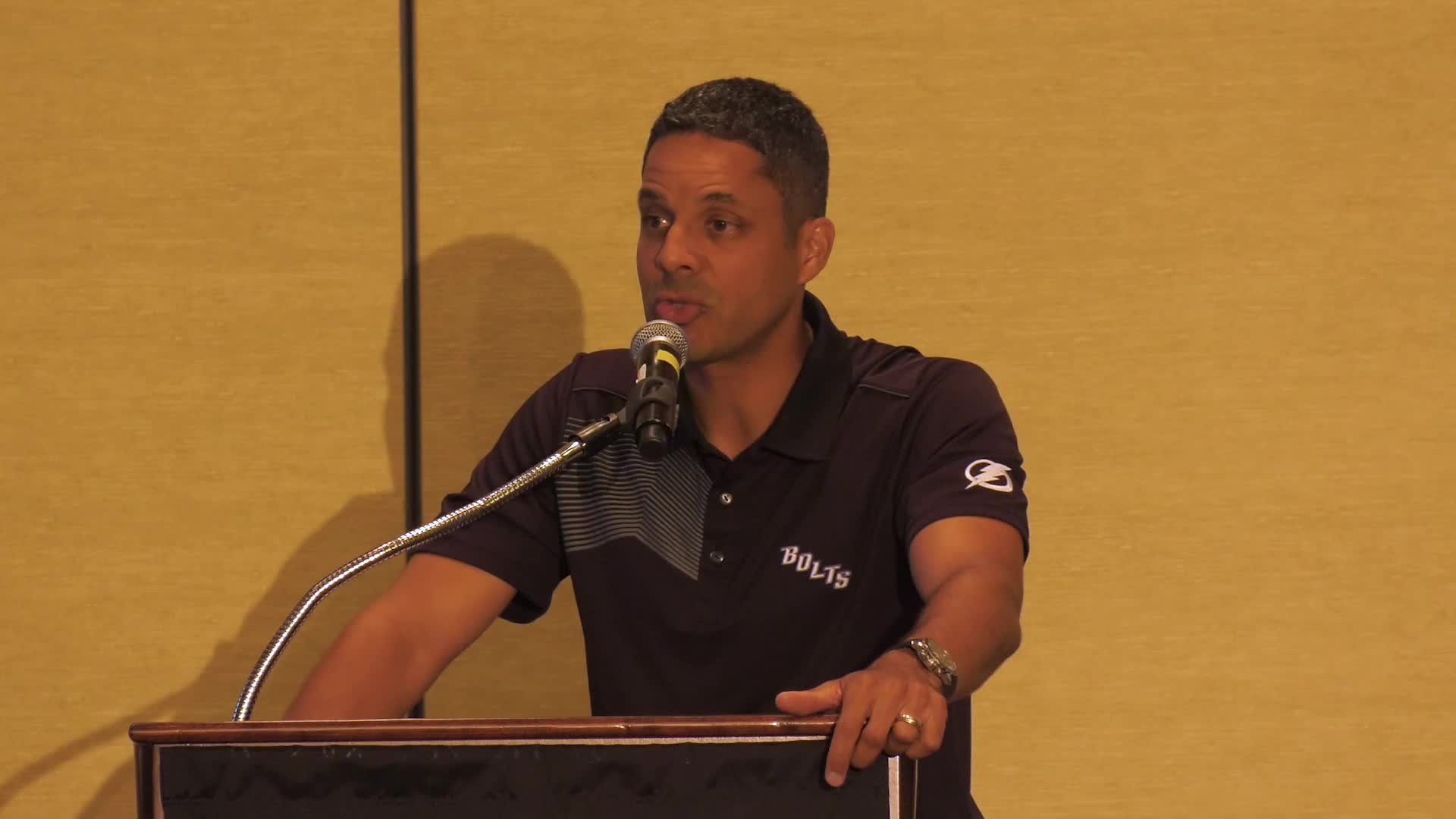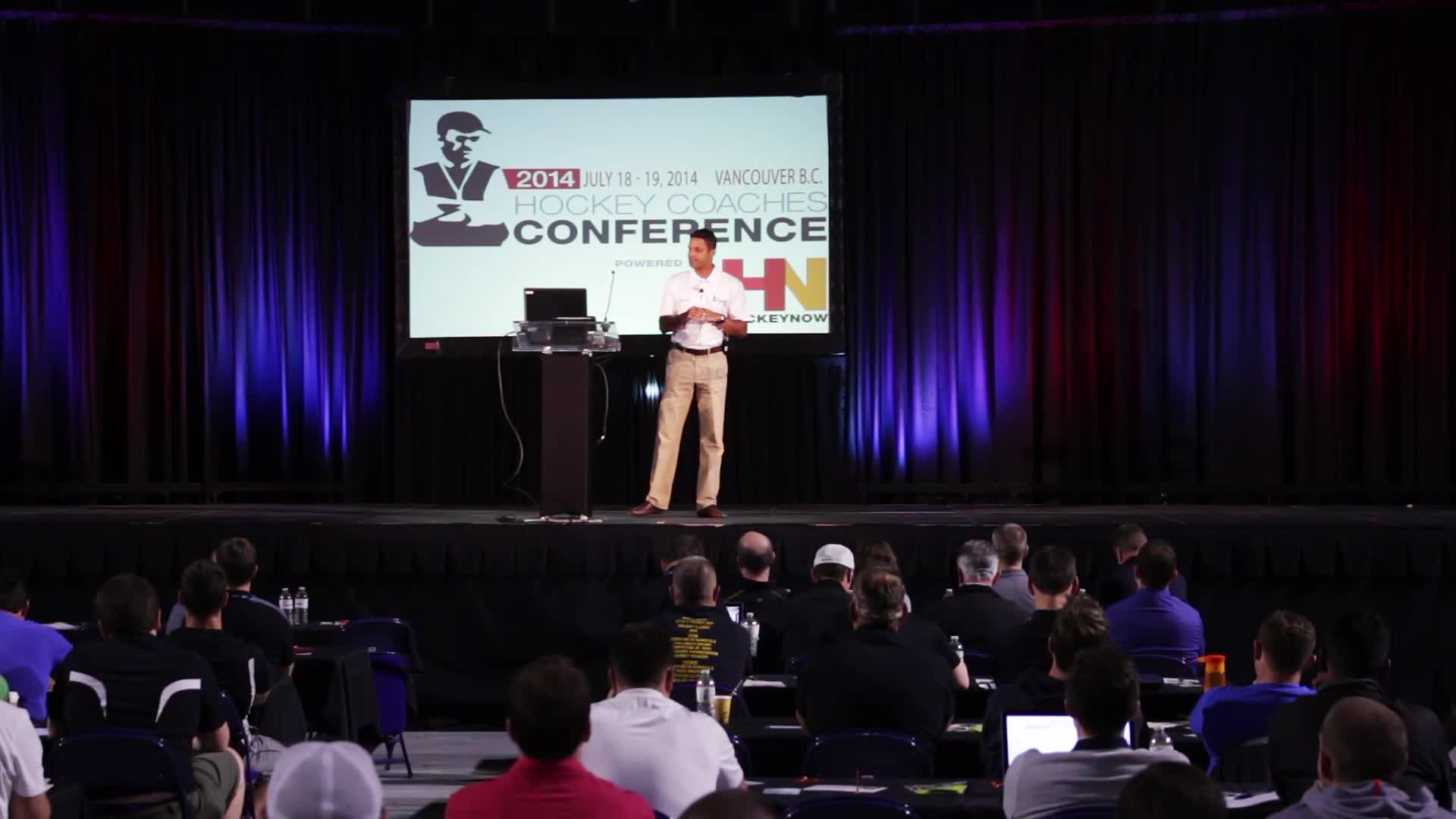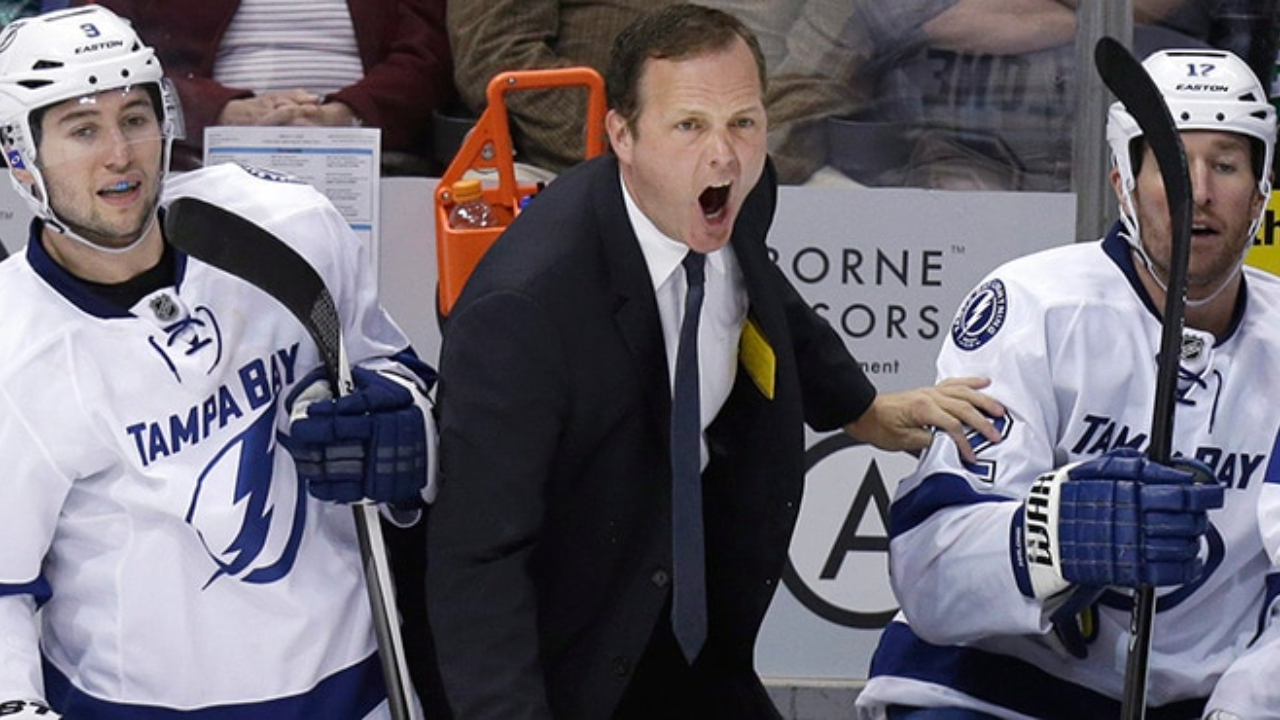

Frantz Jean has been a Goaltending Coach with the NHL’s Tampa Bay Lightning since 2010. In that time, he has helped develop some of the best goaltenders in the world, such as Andrei Vasilevskiy, and had his name engraved on two Stanley Cups. He is also the Head Goaltending Coach with Protek Goaltending.
Jean took the Main Stage at TCS Live to discuss modern goaltending and how analytics have helped redefine and reshape the recipe to creating elite goaltenders.
The best goaltenders in the world, says Jean, play in the paint. They are always, to some extent, taking up a good amount of space in the crease as opposed to playing high and far out from the net. When goalies challenge too hard, “putting all their eggs in one basket,” as Jean puts it, they make it incredibly hard for themselves to adjust to the following play: rebounds, passes, backdoor passes, high pocket plays. What Jean and other goaltending coaches have started realizing, then, is that the deeper you play in those situations, the better the outcome is.
“We started to call it post proximity.”
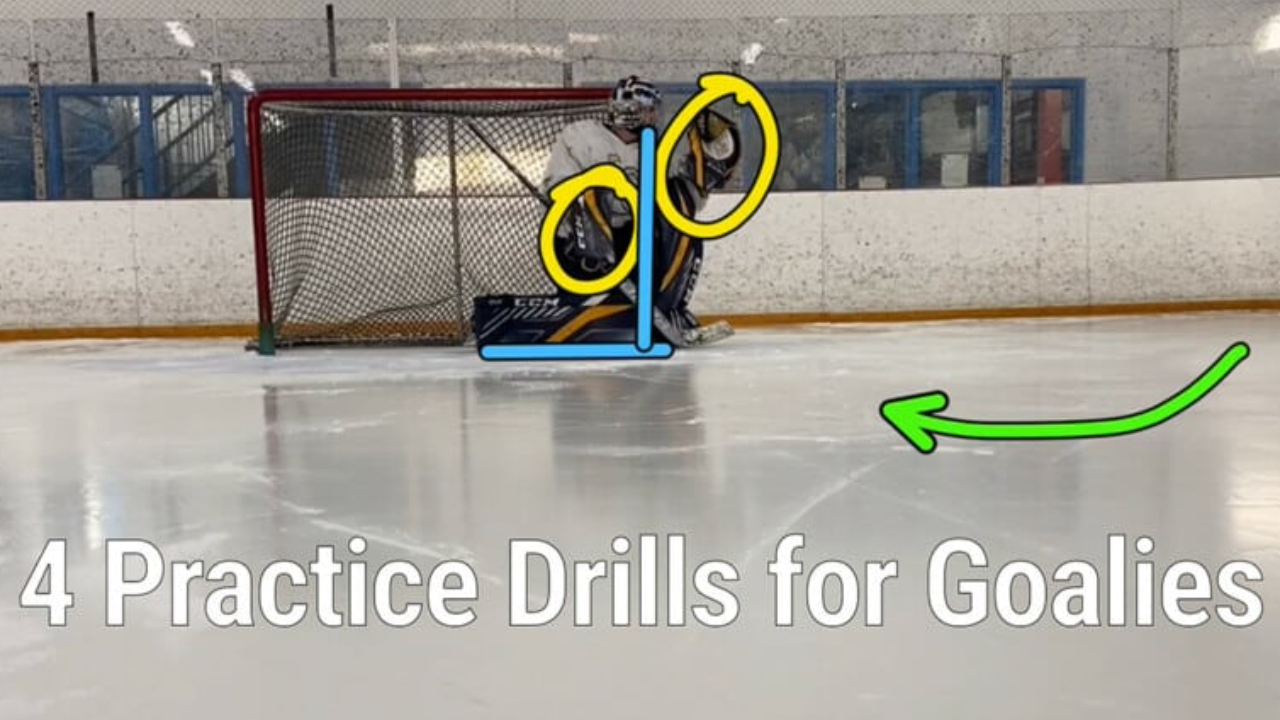
What Jean means by “post proximity” is essentially having the goaltender have their inside foot close to the post. This doesn’t mean that the goaltender has to have their skate glued to the post at all times, but ideally within a few inches of it.
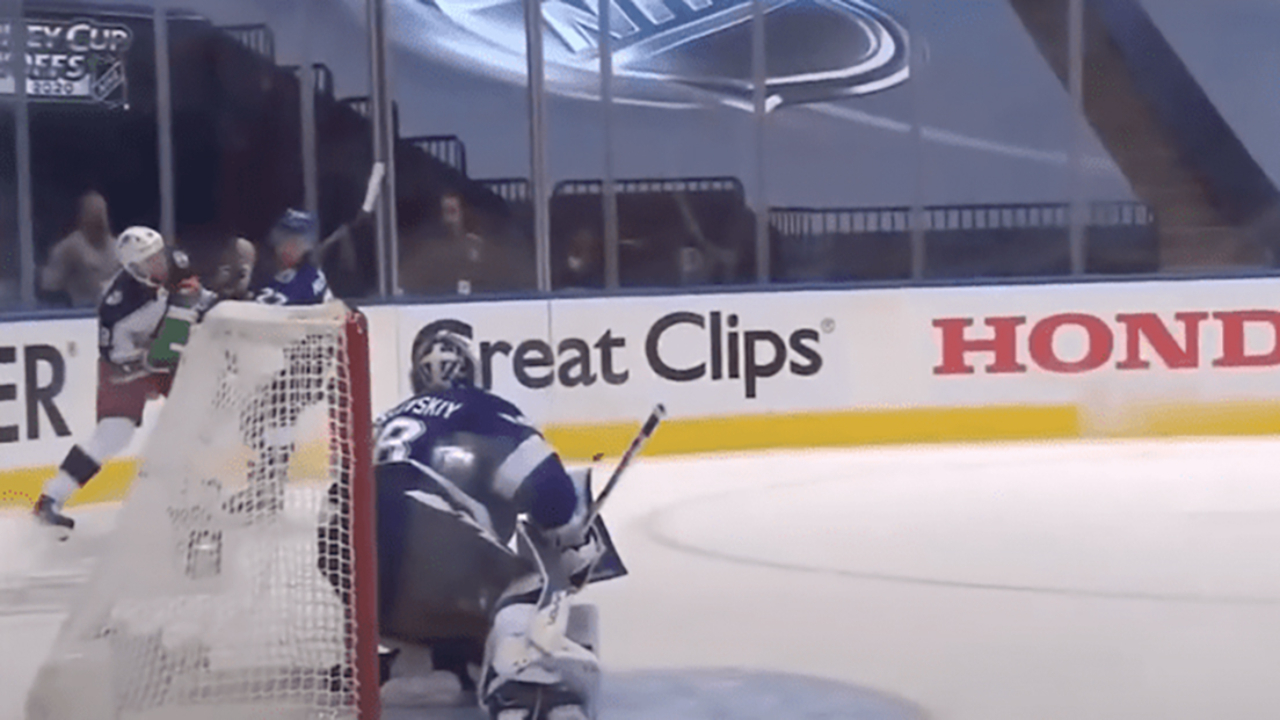
The goal of this concept is to give the goaltender a fundamental concept they can follow to best prepare themselves for plays in all areas of the offensive zone, which Jean broke into two parts: the “high zone,” the area in between the blue line and the top of the faceoff circles where screened shots that turn into deflections, rebounds, and tap-ins, and the “dead angle area,” any area of the ice below the hashmarks.
To better understand where the most dangerous shots were coming from and where goalies struggled the most, Jean studied NHL footage and analyzed where players were scoring the most and how goalies were reacting.
“When we look at the dangerous area where most of the goals are scored, in the NHL and in any hockey league, I started to realize by watching all those goalies that depth is secondary to those [dead angle] area shots. It’s all about being set and beating the play.”
For Jean, goaltending technique then became all about being wherever you wanted in the blue paint depth-wise, as long as you make sure you are positionally set. Maintaining post proximity and your set position makes it easier and faster to come forward in the blue paint and attack high-zone plays. For dead angle area plays, Jean enforces the idea of tracking what he calls the “pre-load area” and jumping into a Reverse Vertical Horizontal (RVH) position against the post on the side of the play.
“When the goalies were using the RVH in this [dead angle] area of the ice, I realized they were really, really hard to score on.”
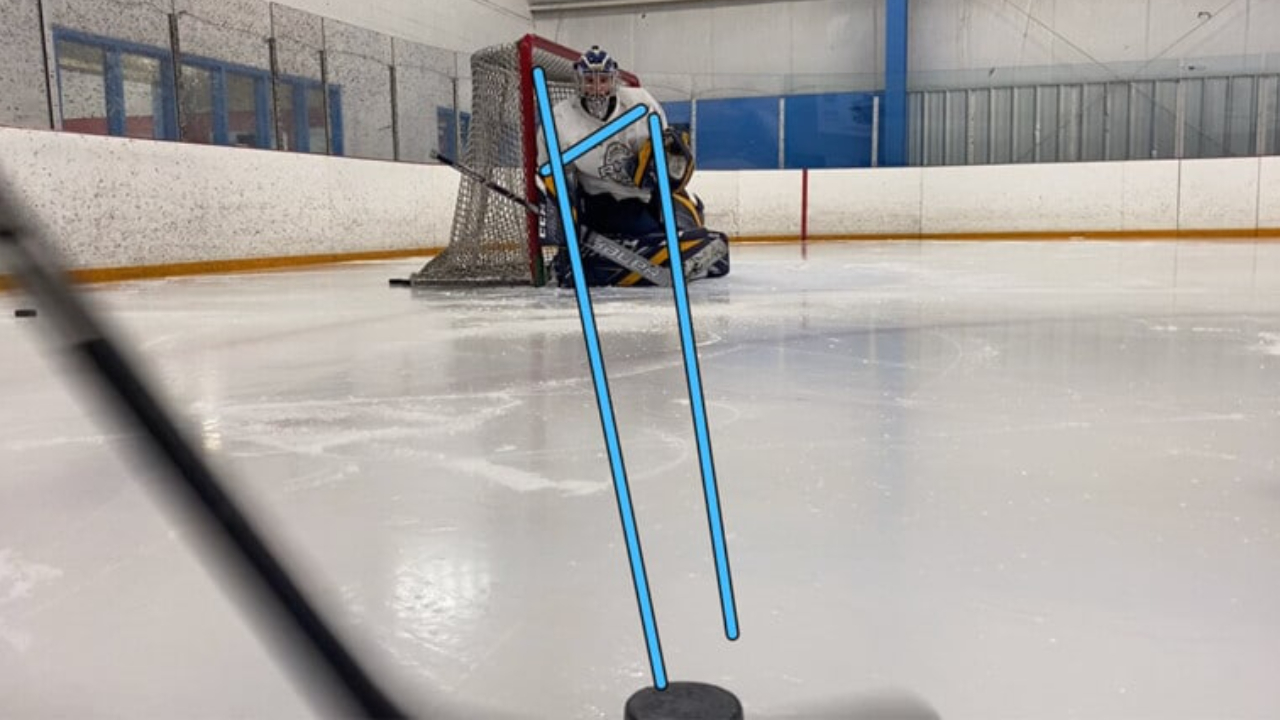
Jean realized that if you could determine an area where, upon the puck entering that area, it was the optimal time to get set into RVH, you could instantly put yourself into a set position that prepared you to attack every play that game from the most dangerous part of the ice. That’s the pre-load area. When players enter this zone, they know it’s time to jump into RVH and get themselves in the best position to keep the puck out of the net.
“I would say this area would be defined by going basically faceoff dot distance, and angling to the post.”
For coaches of goalies younger than 15, Jean recommends shortening that area by about 6 feet on each side.
The key to executing this successfully, says Jean, is to be set and let the play come to you. Goalies shouldn’t be tempted to come too far out of the net to attack the play head-on, but rather be patient and read the play to give themselves the best chance of getting set and stopping the puck. Discipline, says Jean, is imperative.
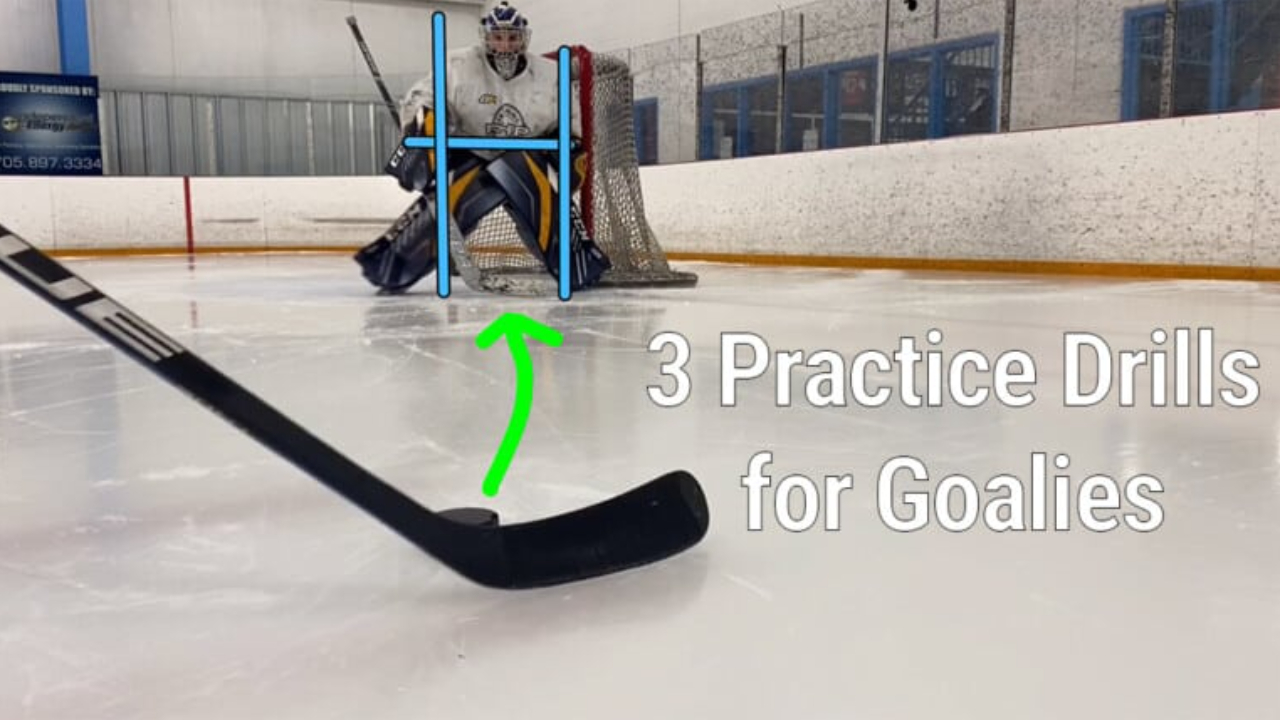
To integrate these concepts into your goalies, Jean outlined a game-plan. When implementing the idea of the preload area, introduce specific drills that force them to use it. These can be designed rushing drills, where a player enters the preload area on the rush and the goaltender needs to get set in RVH and take away the knee-hole with their glove or blocker while taking away the top-shelf option with their head, or corner attack drills from below the goal line, where a solid RVH position seals the net for easy saves.
“It’s always about the puck being in the preload area, not the player,” says Jean. “It’s very important to understand that.”
Jean also recommends implementing the preload area strategy into all team practice drills that involve the goalie, to cement the idea in their mind. Repetition and understanding will encourage the goalie to trust the technique, helping solidify the discipline necessary to execute successfully. Further reinforcing this with video sessions is another key tool.
“You have to trust it. If you don’t trust it, it’s very, very hard to execute it properly in-game.”