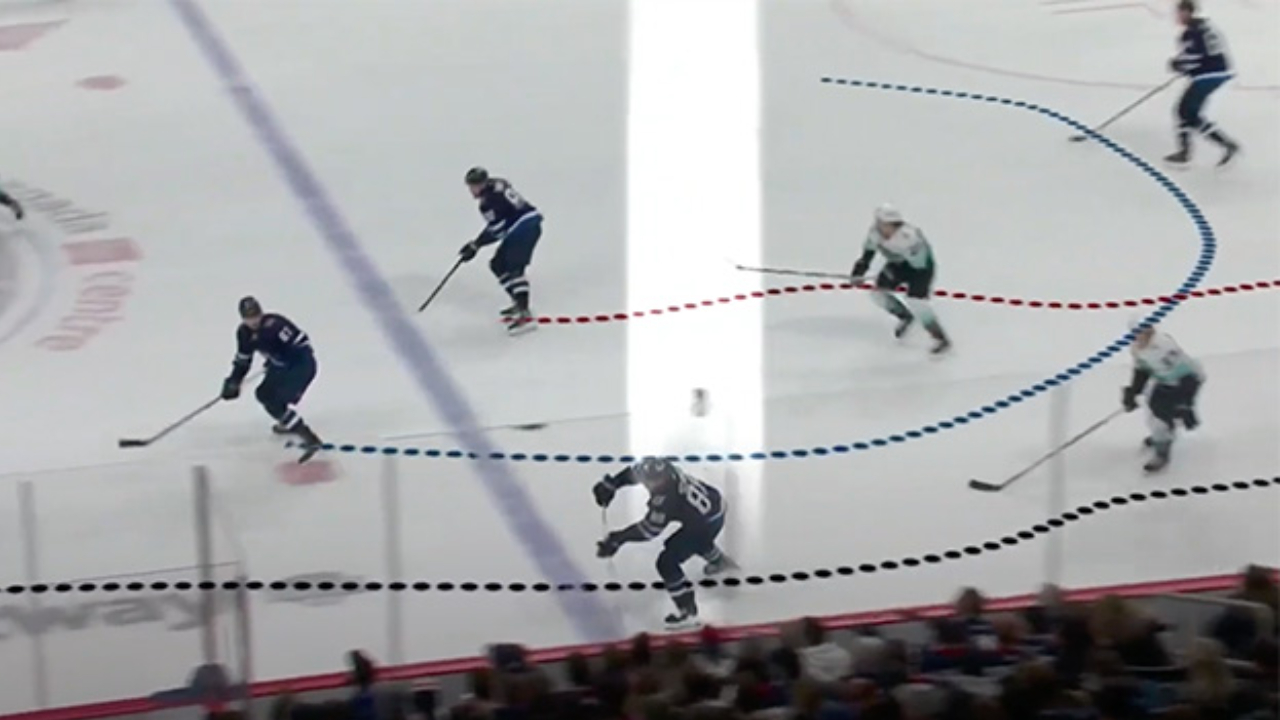
Derrick Henderson is an Assistant Coach with the Columbus Mavericks (USPHL Premier) and the founder of 10 Second Hockey, a platform built around a simple question: how do we score more goals? It’s a question he has spent years studying, tracking nearly 900 NHL goals over two seasons to find real patterns in how offence is created. What he discovered became the foundation of his presentation at TCS Live: 63 percent of goals are scored within the first 10 seconds of an attack opportunity.
For Henderson, an “attack opportunity” occurs often in every game, but it’s the urgency and how we approach those opportunities that makes the difference between scoring and not scoring. His message to coaches was clear: the longer you hold the puck in the offensive zone, the less likely you are to score. Across every level of hockey, from the NHL to women’s international play, urgency to score is a defining characteristic of successful teams.
A member of the NHLCA BIPOC Mentorship Program and a passionate advocate for blending analytics with on-ice teaching, Henderson brings data to life in a way that is actionable for coaches at every level. His 10 Second Philosophy challenges us to rethink how we teach attack speed, shot selection, and the mindset behind creating chaos in the offensive zone.
By breaking down hundreds of goals and counting the seconds from zone entry to the moment the puck crosses the goal line, Henderson exposed a truth that is often hidden in plain sight: time is the enemy of offence.
“The typical goal in hockey is scored within the first ten seconds of an attack opportunity.”
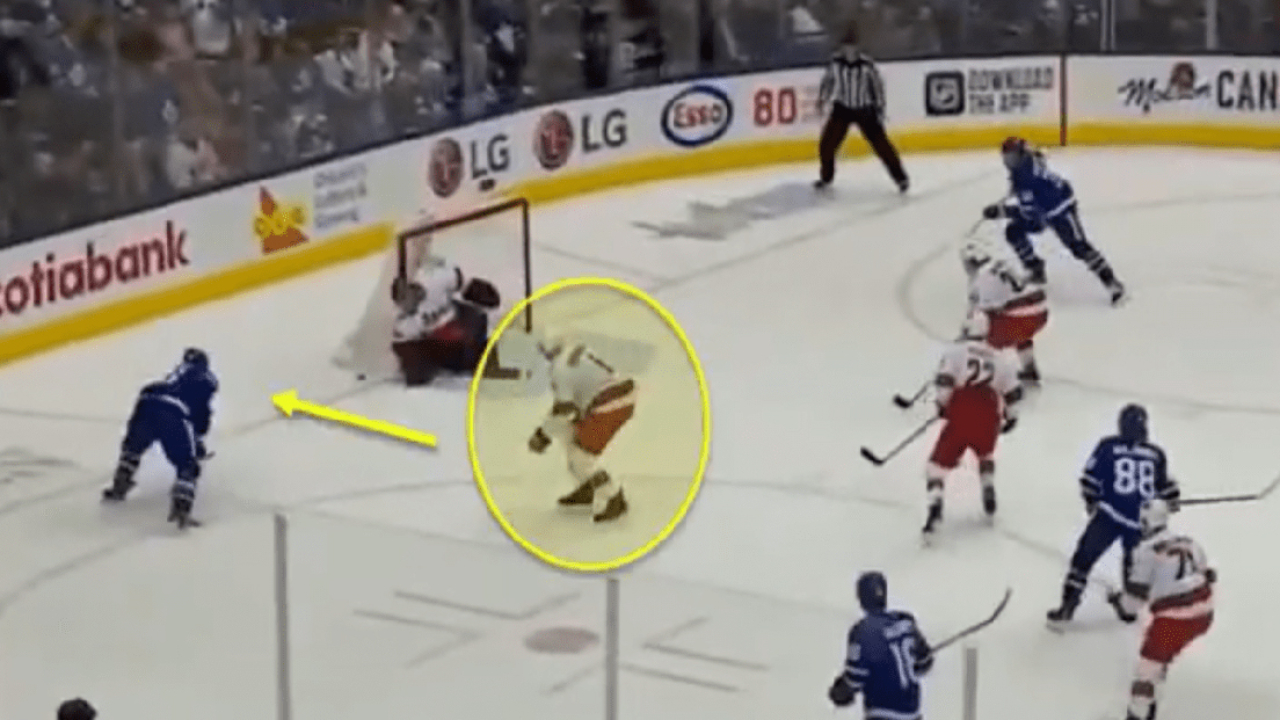
It didn’t matter what level he looked at — the NHL, NCAA, women’s international play, or junior hockey — the results were consistent. Offence thrives on urgency. Whether it is a clean entry, a chip and chase, or a rebound from a faceoff, those first 10 seconds are where chaos and opportunity collide. And that chaos, Henderson explained, is exactly what coaches should be trying to create.
As coaches, we often emphasize puck possession and zone time. Henderson challenged us to see those moments differently. Sustained pressure has its place, but it is the speed of execution that turns possession into production. Shots from unexpected spots, quick plays off the wall, one-touch passes; those are the actions that trigger the scramble in front of the net.
He reminded us that systems and styles will always differ. Some teams thrive on puck control, others on speed through transition. But the common thread across all of them is intent. “Wherever possible,” Henderson said, “shoot the puck quickly, because shots create chaos, and chaos creates opportunities.”
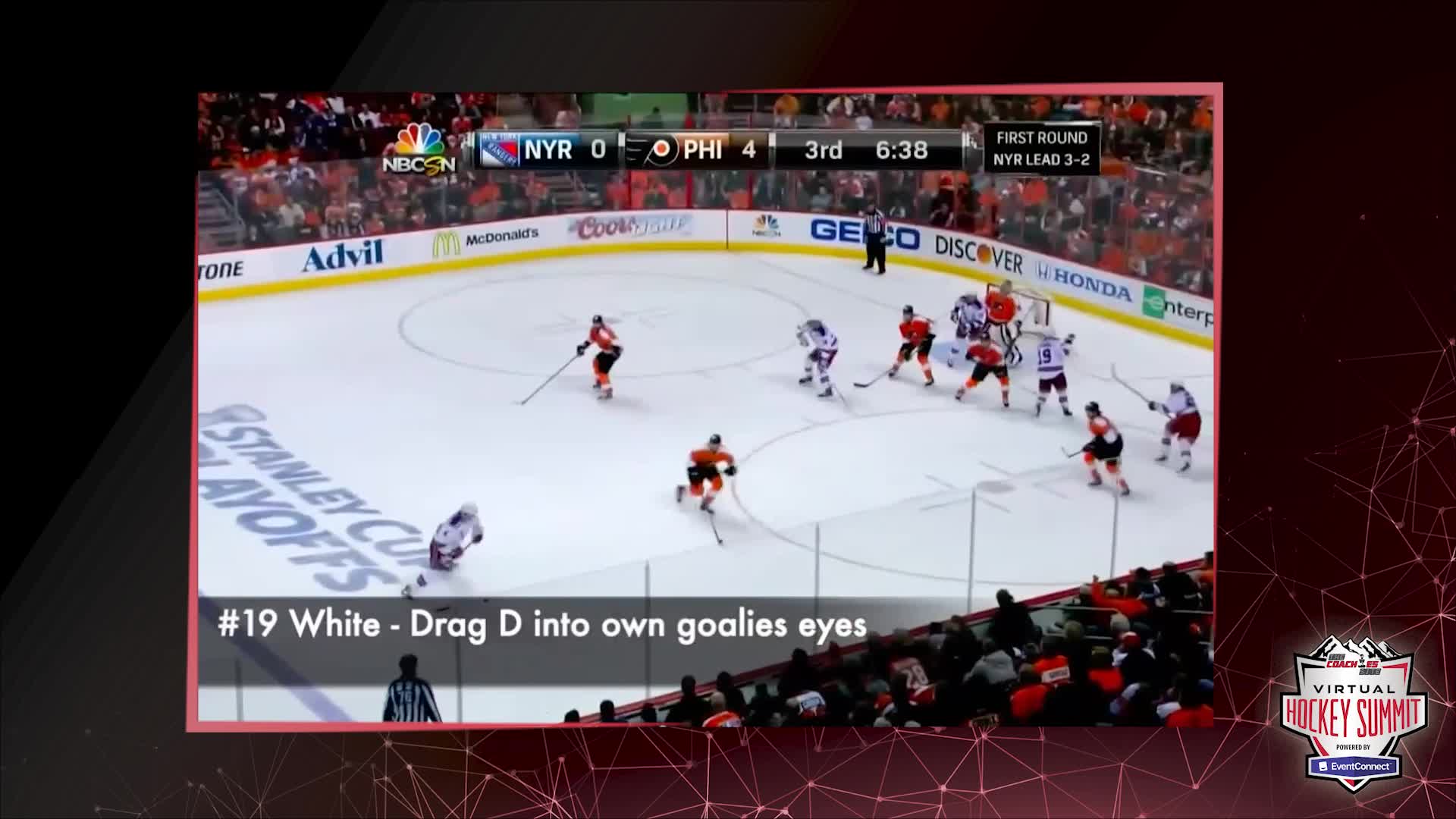
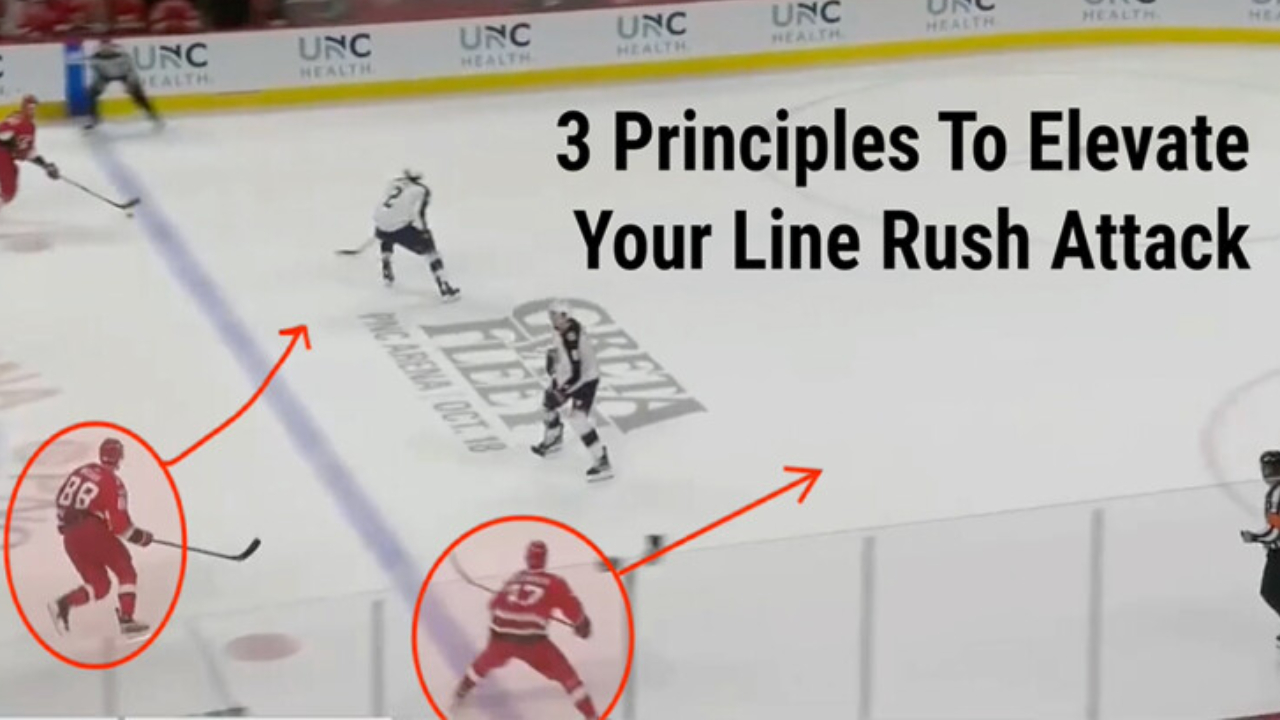
Watching his clips from different leagues, from the World Cup of Hockey to NCAA Division 1 and the USPHL, it became obvious that this was not just a theory. It is a pattern that repeats itself when teams commit to playing fast and attacking decisively.
Coaches’ Challenge
Review your own team’s goals over the past few games. How many were scored within ten seconds of an attack opportunity? Track it, talk about it, and use it to shape how you teach offensive urgency. The next time you run a small-area game or transition drill, add a ten-second timer and watch how it changes your players’ mindset to attack with purpose.
Noteworthy timestamps:
- 0:00 What’s the best way to score goals?
- 1:35 Goal tracking
- 2:55 Attack opportunities
- 3:30 The numbers
- 4:55 Game clip examples
- 8:35 How can I use this?
- 9:55 Introduce principles at practice
- 11:20 Key takeaways