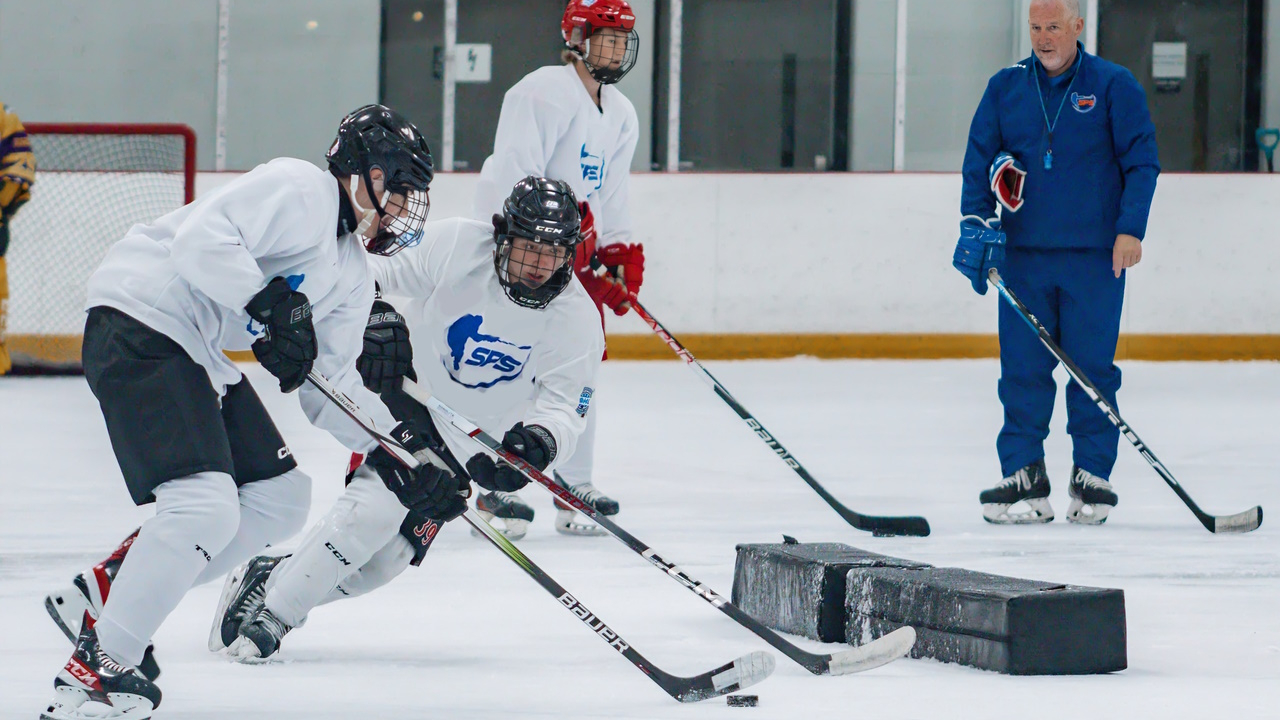
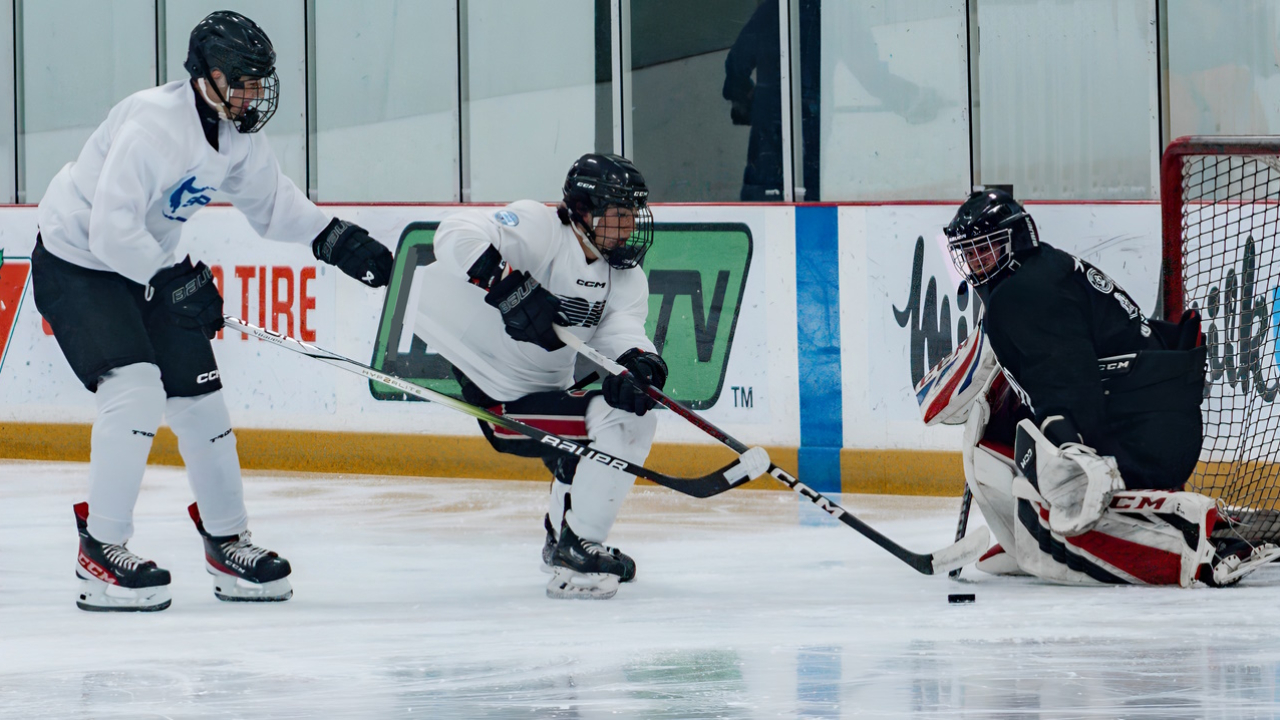
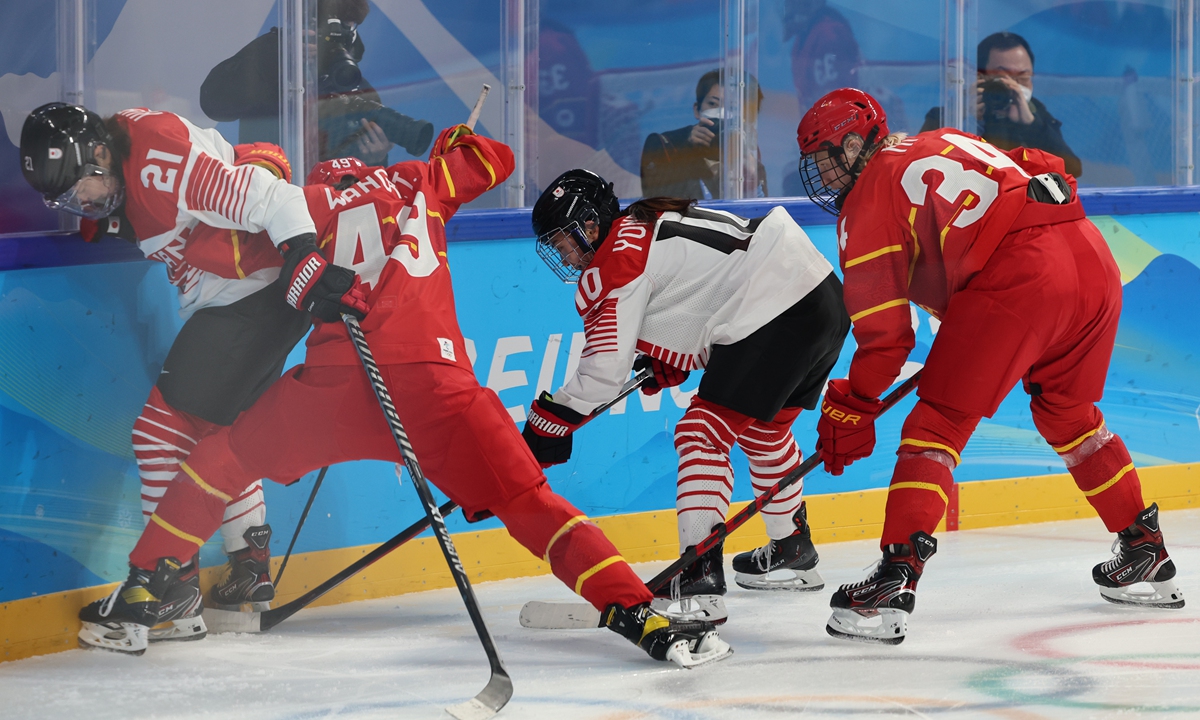
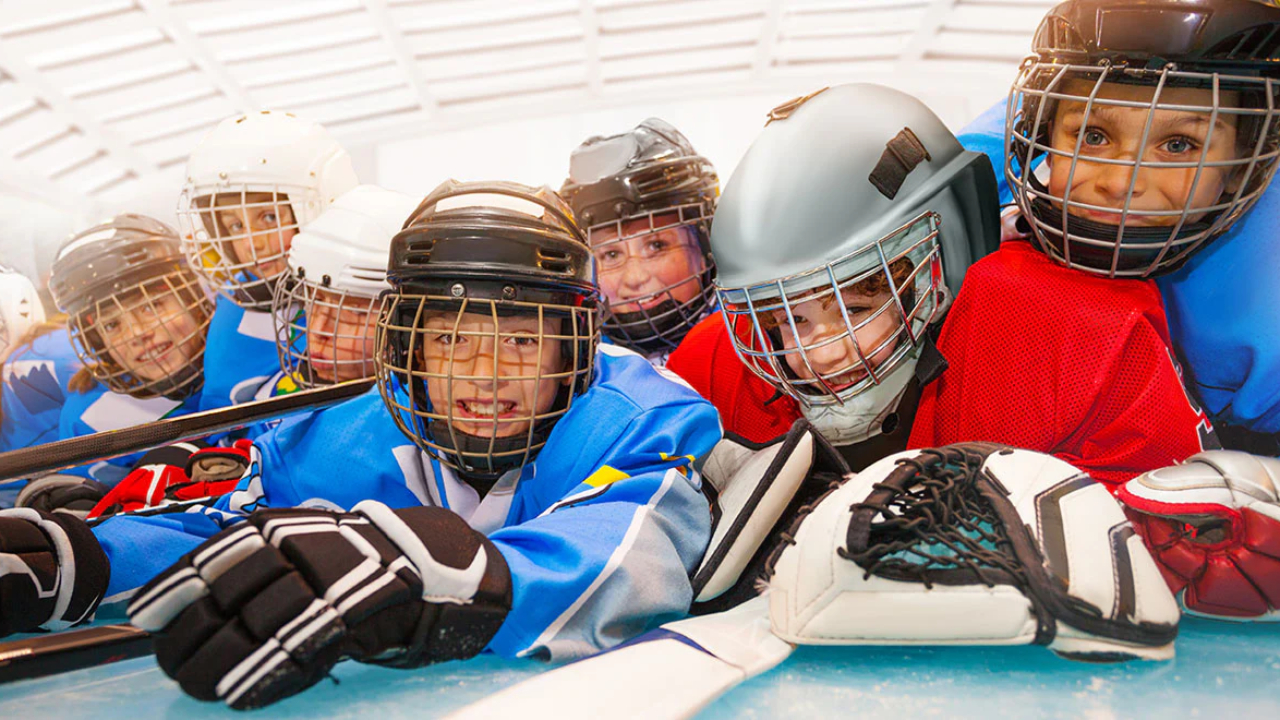
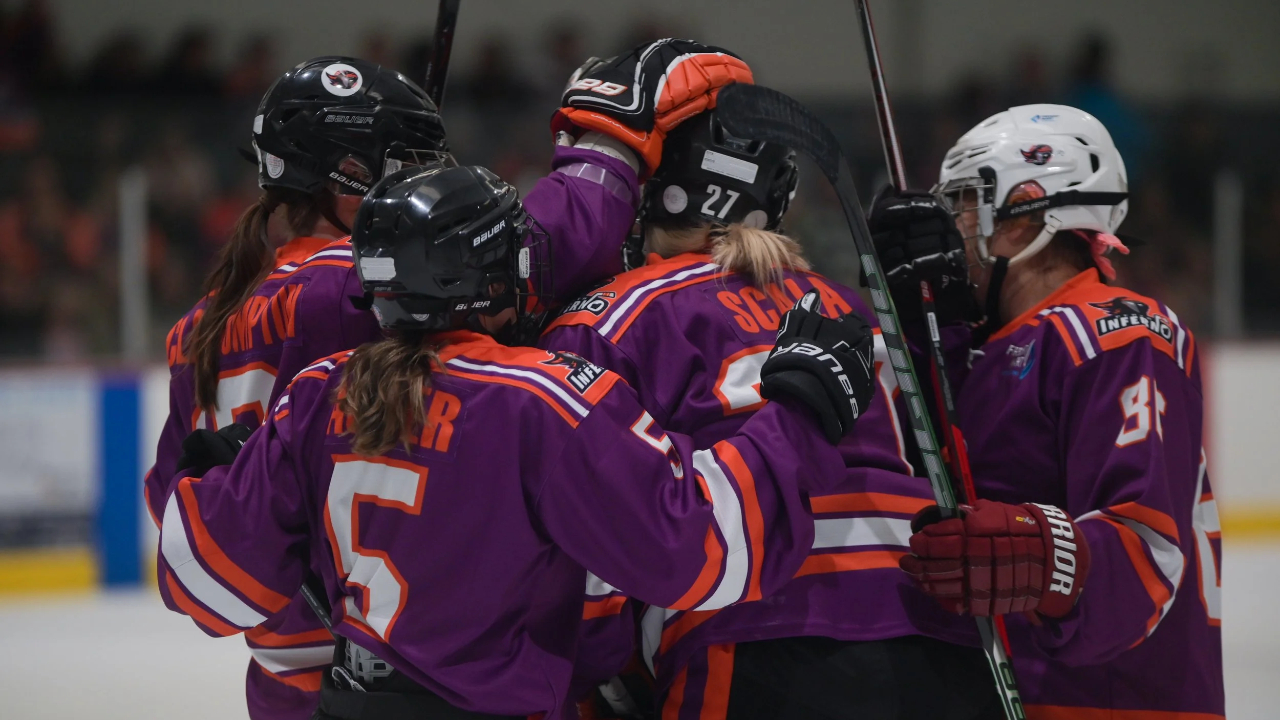
Watch a practice, then watch the game it is preparing players for. Lines, cones, a coach talking. Then chaos, opponents, decisions made in half a second. The two barely look related, and we keep expecting one to transfer into the other.
This is a 28 minute lecture I gave in July to a group of North American coaches. It is about why that gap exists and what a coach can do about it on Monday.
The argument, short version.
I was taught that there is a correct technique and that you drill it until it sticks. Nikolai Bernstein put that on shaky ground in the 1920s. He filmed blacksmiths who had struck the same spot tens of thousands of times, and the movement was different on every strike. The target was stable. The movement never was. He called it repetition without repetition.
If that holds, a player is not learning a movement. A player is learning to solve a problem. And problems live in the game, not in the drill.
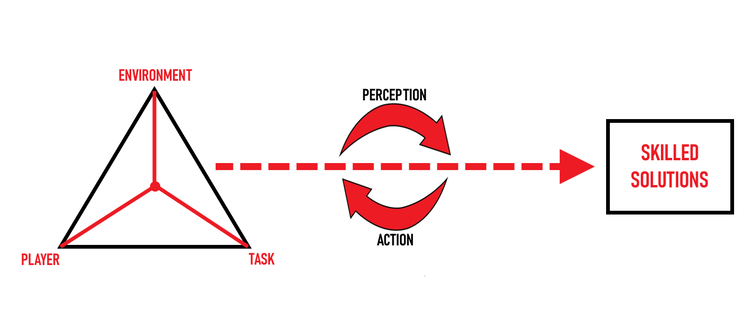
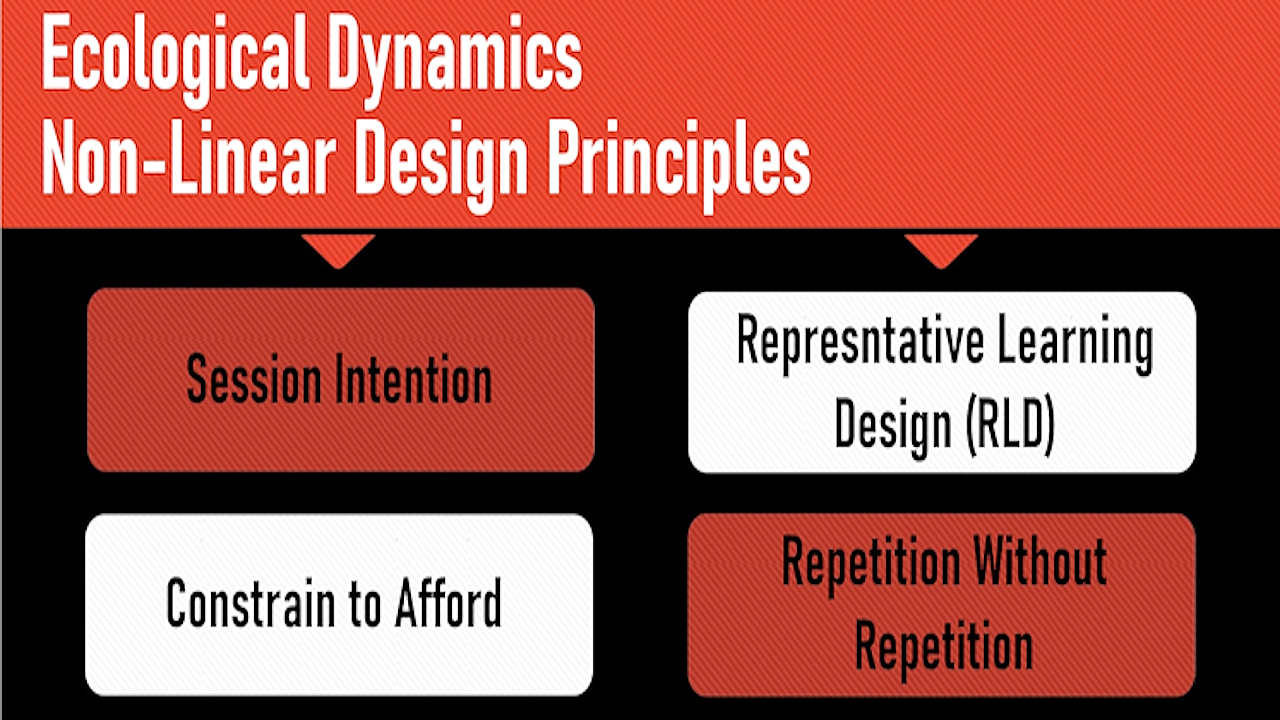
From there the lecture works through what follows. Gibson's affordances: we do not see neutral space, we see the actions available to us. Variability as a feature rather than noise. Self-organisation, which is the difference between a flock of birds and a marching band. Then Newell's constraints, which is a very useful framework a coach actually needs. Change the problem and the solution changes by itself.
The practical half is constraints-led approach and representative design. Keep the ingredients of the game in the drill, not just the icing. Use small-sided games. Set one constraint and then say nothing, because the constraint teaches quicker than words in many ways that matter. We are not training adjustability. We are training adaptability.
There is a proof section too. Kenny Atkinson brought Alex Sarama into Cleveland to build player development on the constraints-led approach, his stated reason being to get ahead of the league, and that 2024-25 team went 64-18. I am not telling you the method won those games. I am telling you that a staff which thinks about development as carefully as anyone in the world chose to build it this way. USA Hockey's development model sits on the same ground. And I ran a season of it on my own bench, with a U20 team that had been near demotion and finished as a playoff team. Many things changed that year. How we trained was one of them.
The close is a single ask: change one thing at your next practice. Design the drill so the player has to solve the game inside it.
Start from the game. Build from the player.
Video is 28 minutes. Happy to discuss any of it in the comments.