
Confidence is not proven when everything goes right. It is revealed in the moment after a mistake, when you decide whether to turn against yourself or respond, reset, and move forward.
Every hockey player and goalie wants to perform with confidence. They want to trust their preparation, play freely under pressure and respond well when the game becomes difficult. Yet many players unknowingly try to build confidence while constantly judging, criticizing, and rejecting themselves.
That approach does not create lasting confidence. It creates fear, tension, and hesitation. You cannot consistently perform at your best while fighting against yourself.
I made a mistake, but I am not a mistake.
What Self-Acceptance Really Means
Self-acceptance means being honest about where you are without turning that truth into a personal attack. It is the ability to recognize your strengths, limitations, emotions, choices, and mistakes while still treating yourself with dignity and respect.
It means you can give up a goal, miss an open net, make a poor pass, lose your composure, or have a difficult game and still say, "That happened, and I can learn from it. This moment does not define who I am."
Self-acceptance is not pretending that everything is fine. It is not lowering your standards, avoiding accountability, or making excuses. An elite mindset does not ignore the truth. It faces the truth without using it as a weapon against the person.
Healthy accountability asks, "What happened? What can I learn, and what will I choose next?" Self-rejection asks, "What is wrong with me?" One creates awareness and growth. The other creates shame and interference.
Why Self-Rejection Hurts Performance
When players believe they must be perfect to feel confident, every mistake becomes a threat. Instead of staying connected to the game, they become trapped inside their own thoughts. They replay the last shift, worry about what the coach is thinking, look toward the stands, or try too hard to make up for what happened.
For a goalie, one goal can quickly become two or three because the mind is still trying to fix a moment that has already passed. For a player, a missed opportunity can lead to gripping the stick tighter, forcing plays or becoming afraid to make another mistake.
This is where performance interference grows. The player's ability has not disappeared. Their attention and energy have become unavailable because too much of both are being used to resist, judge, or relive the past.
Performance improves when a player can see the mistake clearly, make the necessary adjustment, and return their attention to what the game is asking of them now.
Self-Acceptance Creates Emotional Freedom
Great performance requires freedom. Players need the freedom to react, create, compete, and trust what they have trained. Goalies need the freedom to read the play and respond to the next shot without carrying the emotional weight of the last one.
Self-acceptance creates that freedom because the player no longer has to protect their identity every time something goes wrong. A mistake becomes information, not a verdict. A difficult game becomes an experience, not proof that they do not belong.
This does not mean the player will never feel frustrated, embarrassed, or disappointed. Those feelings are part of caring deeply. Self-acceptance allows the player to feel what is real without becoming controlled by it.
Confidence is knowing that a mistake will not make you abandon yourself.
A Practical Reset for Players and Goalies
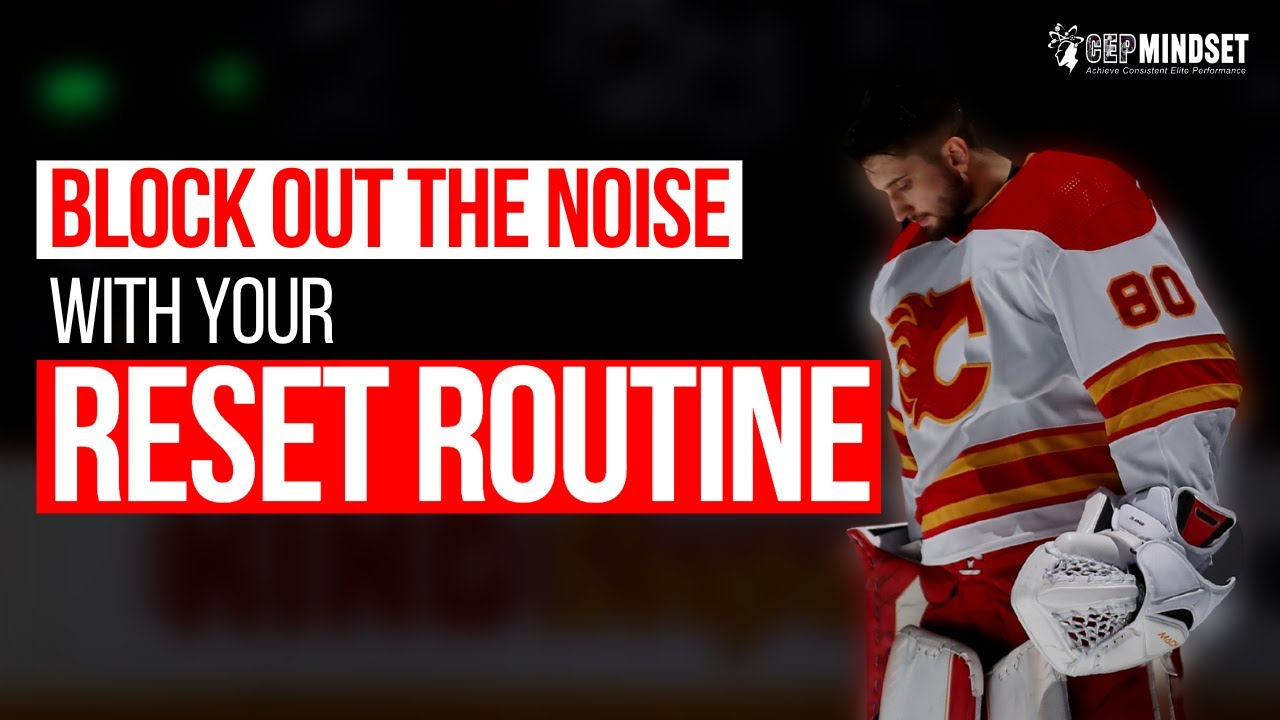
After a mistake, error, or play that didn’t work out, players and goalies can practice a simple five-part reset:
1. Notice and acknowledge it. Be honest about what happened without exaggerating it.
2. Accept it. The play is over, and fighting reality will not change it. What we resist persists.
3. Learn from it. Identify one useful adjustment you can make without overthinking it.
4. Forgive yourself. Don’t let a play become your identity, and give yourself permission to move forward to the next shift next moment.
5. Reset. Bring your eyes, body, energy, and attention back to the now and prepare for the next play.
A goalie might use the words, "Let go, next shot." A player might say, "Learn it, let go, next shift." The words matter less than the commitment behind them. The purpose is to return to the present moment with trust in yourself.
The Important Role of Hockey Parents
Parents have a powerful influence on how players learn to relate to themselves. After a difficult game, a player is often already carrying disappointment. When the first conversation becomes an immediate breakdown of mistakes, the player can begin to connect performance with personal worth.
This does not mean parents should avoid honest conversations. It means connection should come before correction. Before offering feedback, ask what your player needs. They may need quiet, encouragement, food, time, or simply the security of knowing that your belief in them did not change with the scoreboard.
Helpful questions might include:
· What did you learn about yourself today?
· What is one thing you handled well?
· What would you like to do differently next time?
· Do you want me to listen, encourage you, or help you think it through?
When parents model calm acceptance, players learn that struggle is not something to fear or hide. It is something they can face, learn from, and move through.
High Standards and Self-Acceptance Belong Together
Some players worry that accepting themselves will make them soft or satisfied. The opposite is often true. When players stop wasting energy on self-punishment, they have more energy available for honest reflection, deliberate practice, and meaningful improvement.
You can be deeply committed to growth and still respect who you are today. You can want more from your game without believing you are less of a person because you have not reached it yet.
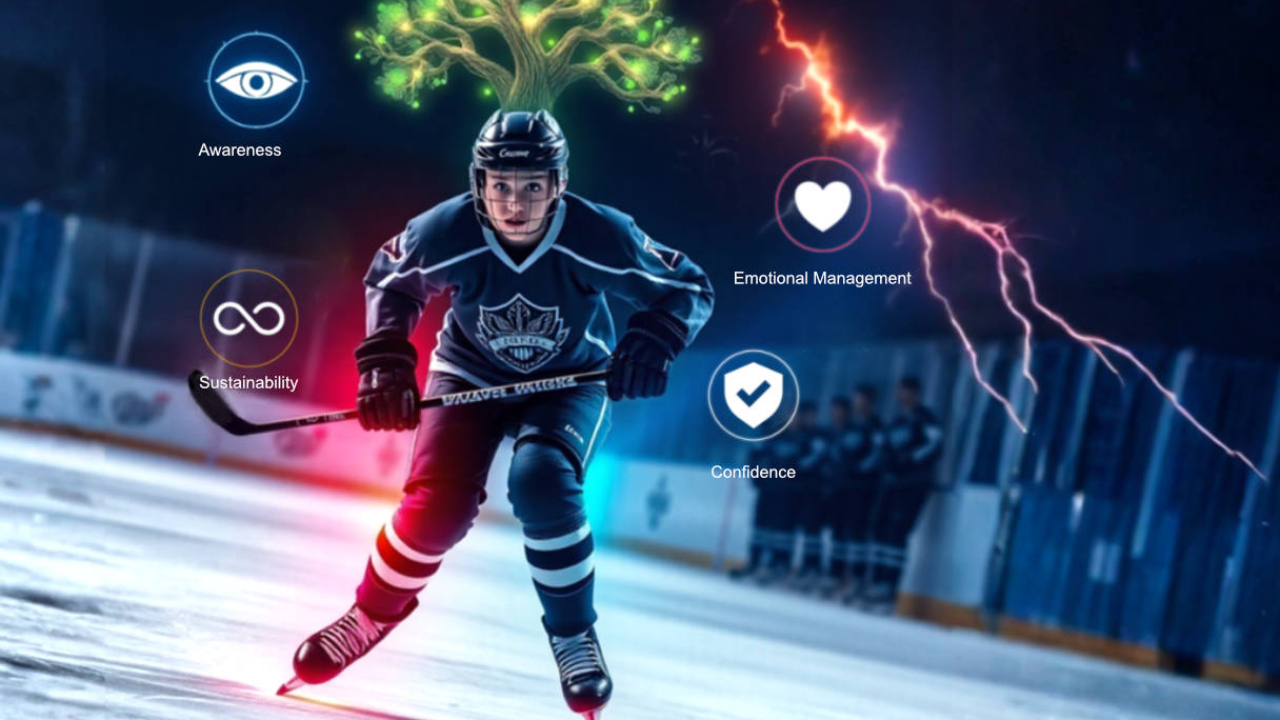
An elite mindset is not built by demanding perfection. It is built through awareness, acceptance, conscious choice, and trust in the process. Awareness helps you see clearly. Acceptance stops the fight with reality. Conscious choice gives you a better response. Trust allows you to keep moving forward, even when progress is not immediate.
The Mindset That Makes the Next Play Possible
Self-acceptance is not the finish line. It is the solid ground you stand on while you grow. Without it, confidence rises and falls with every save, goal, shift, decision, or opinion. With it, confidence becomes more stable because it is connected to who you are and how you respond, not only to what just happened.
The strongest players are not those who never struggle. They are the ones who can experience struggle without losing themselves inside it. They stay honest, responsible, and coachable, but they refuse to let one moment decide their identity.
Accept yourself. Forgive yourself. Trust yourself. Then get present and make the next play.
Build an Elite Mindset
If you are a hockey player, goalie, or parent who wants to build stronger confidence, healthier responses to mistakes, and a mindset that holds up under pressure, I would be glad to have a conversation with you.
Reach out to me, Coach Walter Aguilar, at Power vs Force Coaching to discuss how mindset coaching can help you or your player develop greater awareness, self-acceptance, resilience, and trust in the process.
Email: performancecoach@shaw.ca