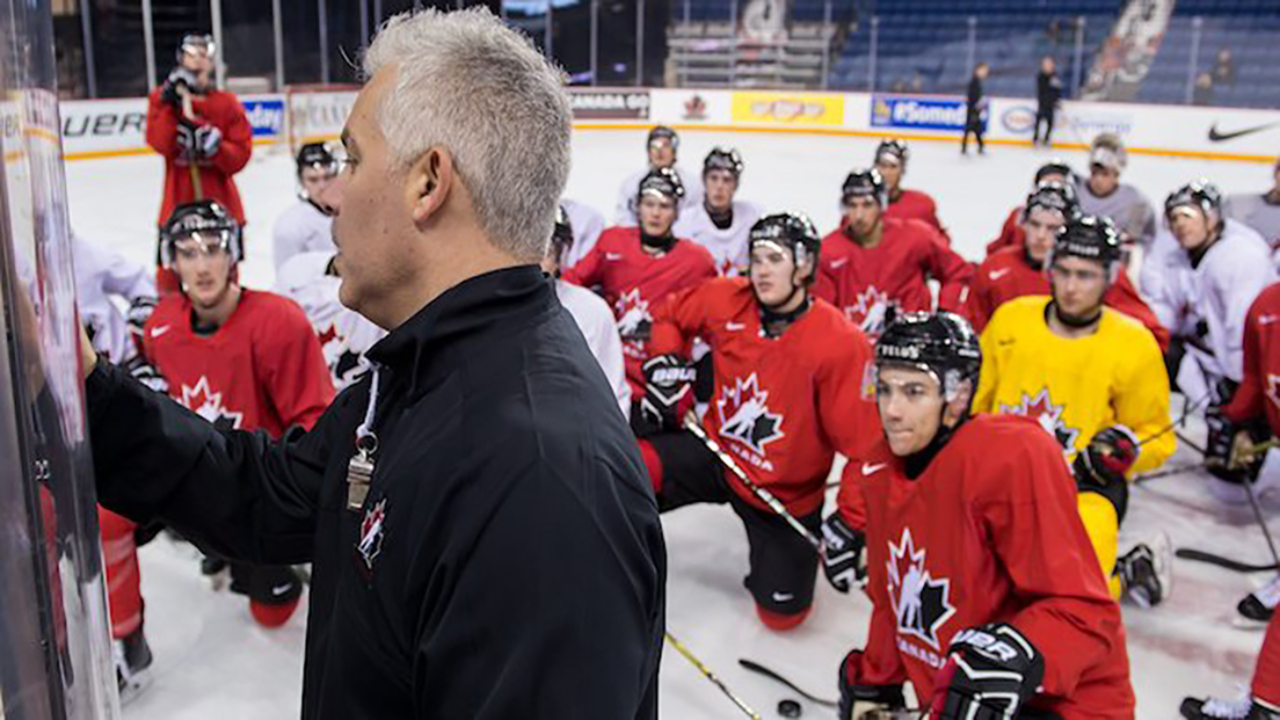
Larissa Mills, CEO & Founder of The Mental Game Academy, opened her session at Hockey Calgary Leadership Day with a question that immediately reframed the room.
“How many coaches feel like psychologists these days?”
Coaching has started to feel like a deep mind exercise because we’re no longer just teaching breakouts or defensive zone coverage, we’re managing emotions, navigating confidence swings, and trying to understand why a player who looked engaged earlier in the week suddenly seems somewhere else entirely.
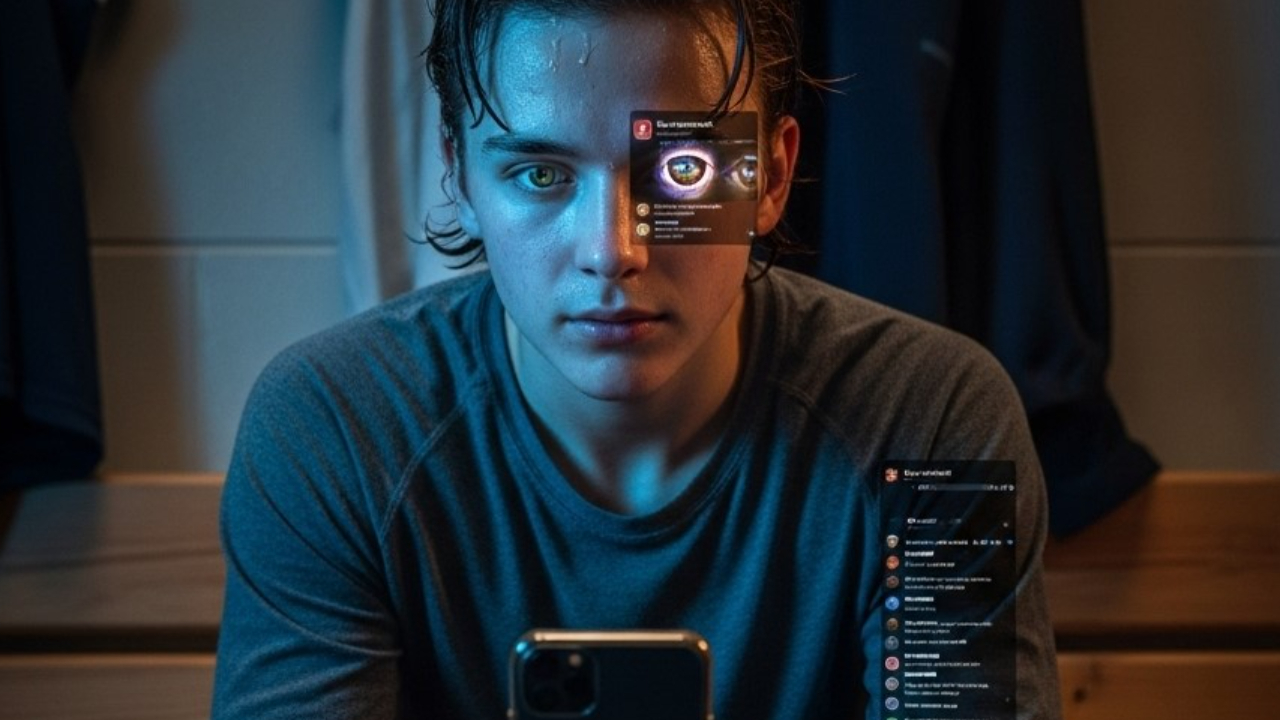
Players have a lot on their minds, and often it has nothing to do with drill in front of them. Twenty years ago players showed up to the rink having lived their day at school or at home, but they had not spent hours consuming curated highlight reels, comparison-driven social feeds, and nonstop digital stimulation before lacing up their skates. Today, many of them arrive at the rink mentally overloaded, carrying the emotional residue of everything they have already absorbed.
Mills spoke about what that does to the brain. Processing speed drops and emotional regulation weakens when athletes live in a constant state of distraction. If that wiring consistently leans negative, then confidence slowly erodes and you begin to see it show up in subtle ways through poor body language, frustration after small mistakes, or an inability to reset between reps. At the same time, coaches and parents are still demanding pace, execution, and performance from athletes whose cognitive bandwidth is already stretched thin.
There is also the reality of outside pressure that follows players into the rink, whether it is conversations at home about playing time, expectations that are never clearly defined, or the quiet comparison that comes from watching everyone else’s best moments online. Some players arrive irritable or withdrawn, and we interpret it as attitude when it may simply be overstimulation layered with insecurity. Add to that the reality that many young athletes have accumulated tens of thousands of hours on screens during their formative years, and it becomes easier to understand why maturity, focus, and resilience do not always align with the demands of competitive sport.
So the question becomes not whether distraction exists, but how we coach within it.
Part of that answer, according to Mills, is protecting mental space before performance. Reducing video and social media use prior to games and practices, being intentional about long bus rides, and helping athletes understand that investment matters. If screen time consistently outweighs practice time, it becomes difficult to argue about opportunity or ice time, because development follows attention.
“Your dressing room dictates your on-ice behaviour.”
The modern athlete is not weaker than previous generations, but they are navigating a far more stimulating environment. If we want clearer decisions, better focus, and stronger resilience, then training the brain has to become just as intentional as training skating mechanics or tactical structure.
Coaches’ Challenge
As you look at your next week of practices, consider where you are protecting focus instead of competing with distraction, where you are teaching athletes how to manage their internal dialogue instead of simply correcting their mistakes, and how clearly you are communicating expectations to the families who influence your environment.
We may not control the devices our players carry, but we do control the standards and structure of the rink, and that responsibility has never mattered more.
Noteworthy timestamps:
- 0:00 It’s hard to coach/phone addiction
- 2:45 What do players think about at practice?
- 8:55 5 ways phones slow you down
- 12:30 Coach survey questions
- 17:35 Audience experience
- 20:55 Hockey IQ is declining
- 26:05 How to improve focus at practice