“The best coaches are the best thieves.”
We’ve all heard that axiom. The best coaches and leaders are the ones willing to watch, learn, and borrow a good idea and make it their own. But there’s an overlooked problem.
While we’re so busy stealing the “object” - a drill, a concept, a system - we don’t spend nearly enough time thinking about what we’re leaving behind. What gets left behind is understanding.
“Throwing someone else’s punch.”
Most coaches will see or hear something that grabs their attention. They make note of it, get to a level where they believe they understand it, and then it gets implemented without much further thought.
What we have really done is borrowed an idea and copied it. It’s not really ours. And without understanding the thinking and logic behind it, we’ll never use it as effectively as the people we borrowed it from. Instead of “thieves”, coaches become copycats.
“Copycat theft” shows up everywhere. Teams running the same systems, setups, and plays; Teams chasing the methods of the latest champion; Positional innovation and creativity hitting a plateau (or worse) because everyone plays a position the same way.
Far too often, coaches are happy to take The Object, but fail to gather important background information. We acquire surface-level knowledge while overlooking one of the best questions we can ask…
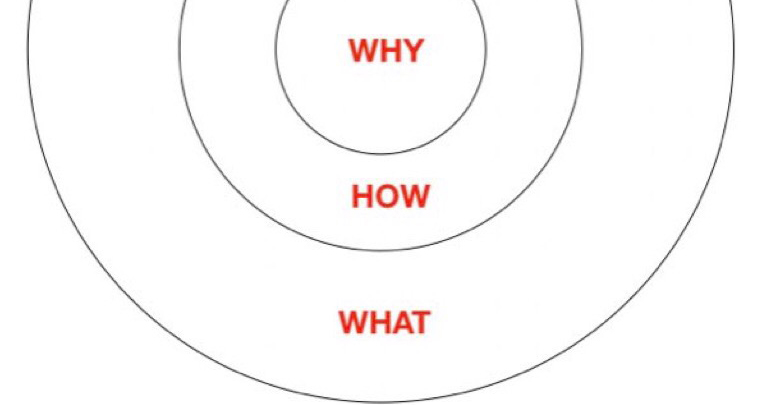
“Why?”
I love asking why. Not to be annoying or stubborn or defiant – but to understand. Having information is good, but understanding that information makes it way more useful.
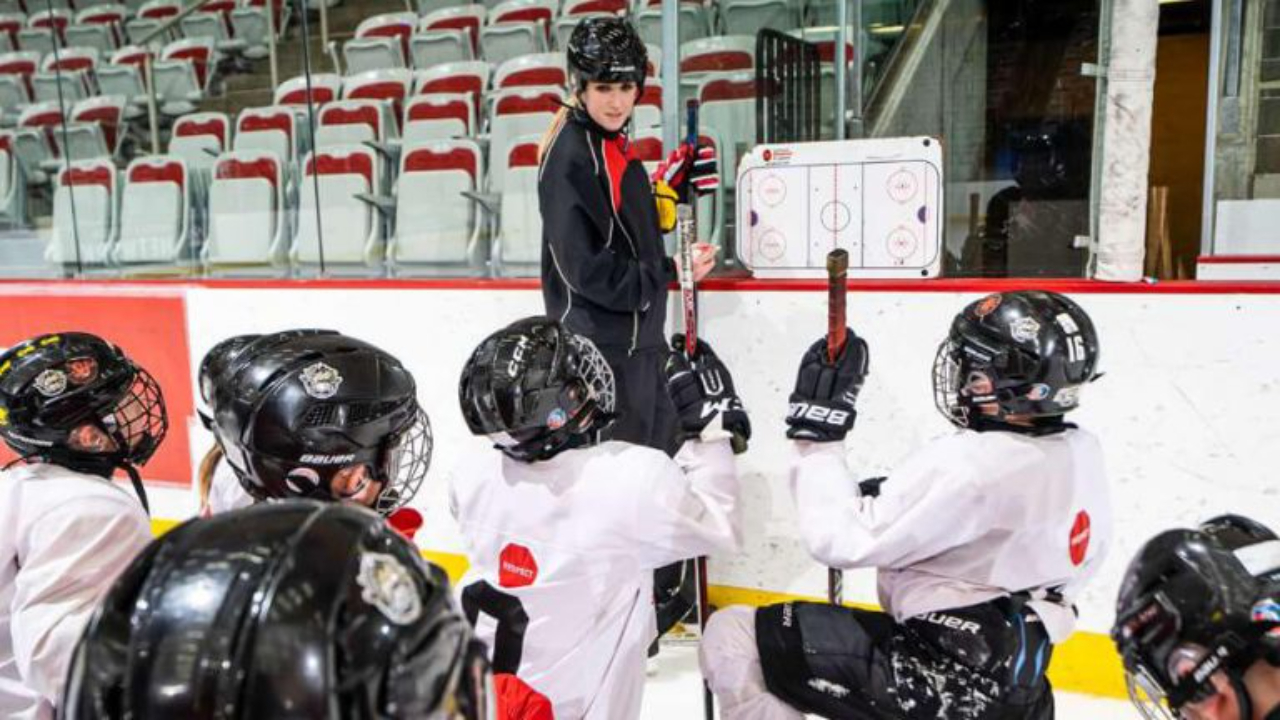
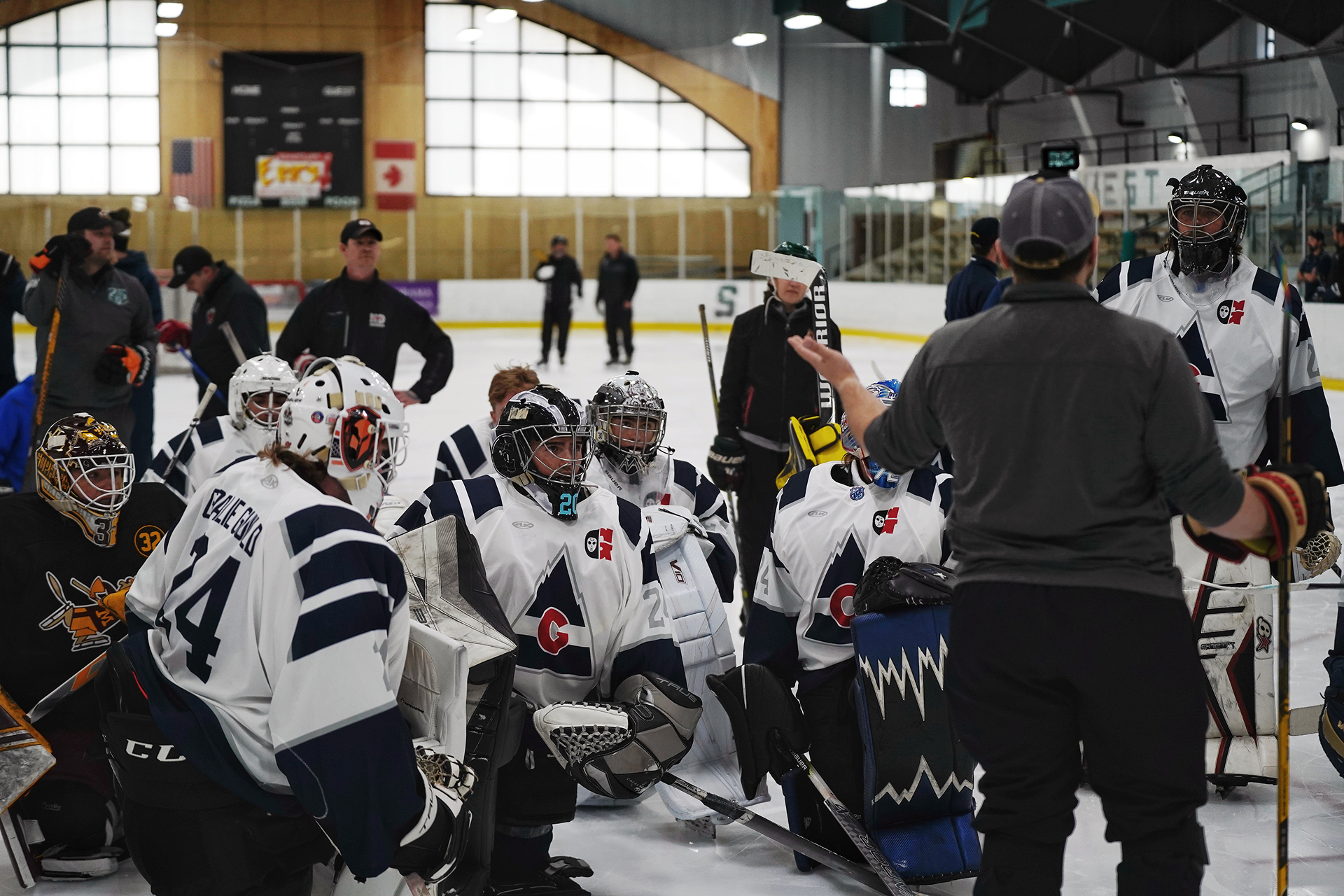
For example, I was recently helping with a youth clinic and I had taken the two goalies. While the skaters were working on their edges, I ran the goalies through a balance drill.
They struggled at first, but they did it. And I could see it in their eyes; they were following what I was saying because I was the coach, not because they believed in what they were doing.
Another young coach was watching and said that he didn't like the drill because the kids would never use that in a game. I had to explain to the young man (and the goalies) that the drill was never about doing a game-specific movement.
Once I explained the drill’s purpose and then showed them how it would help, the goalies became more engaged. The reps instantly got better. They understood the “why”.
When you talk with another coach and you ask them about a drill or a system or a concept, ask why. Or more specifically:
“Why do you do this?”
By asking why someone does something, you can gain a lot of information that will help with installation, execution, and usage.
For example, my favorite drill is something I call “30, 31, 32” (seen here: https://members.thecoachessite.com/v/8802).
I’ve had coaches tell me that they’ve stolen that drill and that their players love it. But no one has ever asked: "why do you do this drill?" or "how do you utilize this drill?" They think they get it (line rushes for the Offense, defending those rushes for the Defense), but they miss out on the true versatility of it.
With that specific drill, I can completely change the focus of the drill just by changing some parameters. I could run this drill once every other week for an entire season and never run it the same way twice. This is something those coaches miss.
And as much as I love asking “why”, even that isn’t enough. My new favorite question is:
“What is something people should ask about, but don’t?”
Even when we remember to ask questions, how do we know we’ve gotten the most important information? Or the most useful? Is there something else I should be asking? The only way to know for sure is to ask the person who would know. And there are plenty of ways to do that:
-
What is something people should ask about, but don’t?
-
Is there something I missed that would be helpful when doing x/y/z?
-
When doing x/y/z, what are some details I should pay attention to?
-
What do you emphasize that most coaches underemphasize?
-
If I watched your team for a week, what would I notice that you don’t explicitly talk about?
All of those questions listed above are great to use in order to get a better, deeper understanding of the subject you are trying to learn about.
Far too often, when given the opportunity, we ask coaches all the questions that we can think of. We ask the questions that we feel are important. Rarely do we ever ask the coach what they consider to be important.
I gave a presentation at TCSLive on how zone time affects goal-scoring. It is a topic I have been talking about for 16 years to anyone who would listen. And in those 16 years, even among people who are genuinely invested in my thoughts, no one has bothered to ask HOW exactly I make this concept work.
People believe that they get the idea, but there is one key philosophical nugget that underpins the entire thing... And no one has ever asked about it.
“Coaching isn’t about having the right answers – it’s about asking the right questions.”
At the end of the day, obtaining knowledge is great; but how much valuable information are you leaving behind? How do you know whether or not that information isn’t the difference between success or failure?
Be curious. Ask why. Ask what you might be missing. Ask what others overlook. The answers you get will be far more valuable than you expect.